






So, What Exactly Is 'Dusking'?
At its core, dusking is the simple, intentional act of watching the sunset. Coined by futurist and writer Lucie Greene, the practice is defined by what it lacks: there are no screens, no notifications, and no distractions. It’s a deliberate pause designed
to transition you from the chaos of the workday to the calm of the evening. Think of it as a mental reset button powered by nature. You find a comfortable spot—a window, a balcony, a nearby park bench—and simply observe the sky as the sun goes down. It’s not about capturing the perfect photo for Instagram; it's about being present in the moment and allowing your mind to decompress naturally, without the artificial stimulation of a digital feed.
The Anti-Doomscroll Solution
Let's be honest: the evening doomscroll is a trap we all fall into. After a long day, collapsing on the sofa and pulling out your phone feels like a reward, but it quickly turns sour. We scroll through bad news, curated perfection, and endless streams of information that leave us feeling anxious, inadequate, and mentally wired. This habit, often called 'revenge bedtime procrastination,' is where we sacrifice sleep for a few hours of low-quality leisure time. Dusking offers a direct counter-narrative. Instead of filling the precious post-work hours with anxiety-inducing content, it encourages a period of quiet reflection. It replaces the frantic energy of the internet with the gentle, gradual spectacle of twilight, breaking the cycle of stimulation that keeps us tethered to our devices.
The Science Behind the Sunset
This isn't just a poetic idea; it’s backed by science. Exposure to the changing light of dusk plays a crucial role in regulating our circadian rhythms—our body's internal 24-hour clock. The shift from bright daylight to the warm, red-toned light of sunset, and finally to darkness, signals to our brain to start producing melatonin, the hormone that makes us feel sleepy. Staring at the blue light from our phones actively suppresses melatonin production, telling our brains to stay awake and alert. By stepping away from screens and tuning into the natural light cycle, you are giving your body the exact cues it needs to prepare for a restful night's sleep. Furthermore, studies on the psychological phenomenon of 'awe'—the feeling we get from witnessing something vast and beautiful, like a sunset—show that it can decrease stress, increase feelings of well-being, and promote a sense of connection to the world around us.
How to Start Your Dusking Ritual
Getting started with dusking is refreshingly simple. First, find your spot. You don't need a panoramic ocean view; a clear sight of the sky from your window or a quiet corner in a local park is all it takes. Check the sunset time for the day and set an alarm for 10-15 minutes beforehand. When the time comes, the most important step is to leave your phone behind. Put it in another room or turn it on silent and place it face down. The goal is to remove the temptation to check it. Then, just sit and watch. Don't try to force a meditative state or feel guilty if your mind wanders. Simply notice the colours, the changing light, and the feeling of the day coming to a close. Some days the sunset will be spectacular; other days it might be cloudy and grey. The quality of the sunset isn't the point—the consistency of the ritual is.
No Sunset View? No Problem.
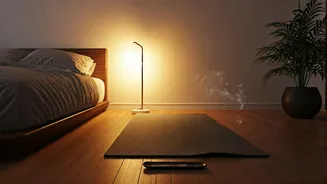
If you live in a dense urban environment or have a schedule that makes catching the sunset impossible, don't be discouraged. You can still adopt the core principle of dusking. It's fundamentally about creating a screen-free, low-stimulus transition period between your 'on' and 'off' hours. You could replicate the experience by dimming the lights in your home, putting on a calming playlist, and sitting quietly with a cup of tea. The key is to carve out 15 to 20 minutes to intentionally disconnect from digital inputs and connect with your own thoughts and physical surroundings. It’s a conscious choice to end the day on your own terms, not on the terms of an algorithm.