



The Allure of the Unseen Portugal
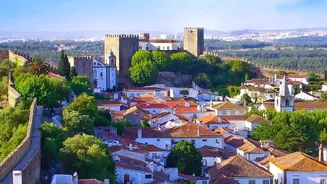
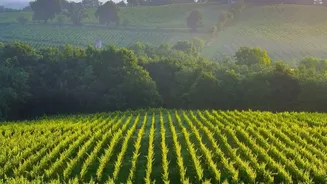
For many travellers, Portugal's interior is a revelation. Regions like the Alentejo, a vast landscape of rolling plains dotted with cork oaks and olive groves, offer an escape from the well-trodden tourist path. Here, whitewashed villages seem suspended
in time, their historic centres crowned by medieval castles and fortifications. The appeal is not in grand attractions but in an authentic atmosphere. Life revolves around the central square, or 'praça', where daily rituals unfold in public view. This is slow travel at its most immersive, a chance to connect with a version of Portugal that feels deeply rooted in its agricultural heritage and traditions.
Anatomy of a Portuguese Praça
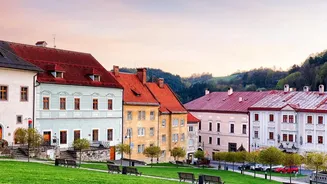
The typical small-town square is a masterclass in community design. At its heart is often a stone fountain or a pillory, a testament to its medieval origins. A whitewashed church, the 'igreja', anchors one side, its bells marking the hours. On another, a small café with a handful of outdoor tables serves as the village's living room, where elderly residents gather for coffee and conversation. Cobblestone streets, worn smooth over centuries, radiate outwards, lined with homes adorned with terracotta pots and painted trim. In these spaces, the silence isn't empty; it's filled with the subtle sounds of local life—the clink of a coffee cup, the murmur of voices, the distant bark of a dog.
The Two Sides of Quiet
The quiet that a visitor finds so peaceful can have a different meaning for those who live there year-round. While the slow pace is a welcome antidote to modern stress, it also speaks to a deeper socio-economic reality. For decades, Portugal's vast rural interior has experienced significant depopulation, as younger generations move to coastal cities for work and opportunities. This migration can leave behind an ageing population and turn once-thriving villages into near ghost towns. The result is a landscape of serene beauty that also carries a hint of melancholy. The 'balanced look' reveals that the tranquility is both a precious cultural asset and a symptom of rural decline, a complex reality that a thoughtful traveller can appreciate.
Squares Worth the Detour
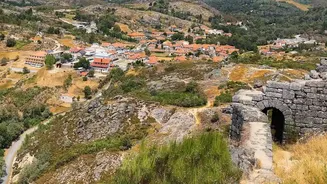
To truly understand this dynamic, a visit is essential. Consider Marvão, a fortified village perched on a granite cliff in the Alentejo, offering breathtaking views from its castle walls. Its narrow, whitewashed streets are incredibly atmospheric, especially after the day-trippers have left. Further south, Monsaraz rises like a mirage above the Alqueva reservoir, a perfectly preserved medieval gem where every cobblestone seems to tell a story. In the north, the lesser-known walled village of Sortelha offers an authentic glimpse into history, a place where the modern world seems to have barely made an entrance. These towns reward travellers who linger, offering a profound sense of place.
How to Visit with Intention
Experiencing these places responsibly means contributing to their vitality. The most impactful way to visit is to stay overnight in a local guesthouse or 'pousada', a historic inn. Eat at family-run restaurants, where dishes are made from local ingredients, and shop for handmade crafts like pottery or textiles. Learning a few phrases in Portuguese, like 'bom dia' (good day) and 'obrigado/obrigada' (thank you), goes a long way in showing respect and fostering connection. By investing time and money directly into the community, travellers can help ensure these quiet squares remain living, breathing places for generations to come.