



The First Step: Declutter with Purpose
Effective storage begins not with buying new containers, but by reducing what you need to store. The reality of many Indian homes is that we accumulate items for emotional or 'just in case' reasons. The most crucial first step is to declutter. Instead
of tackling the whole house at once, sort your belongings by category—all clothes, then all books, then all kitchenware. This prevents you from simply moving piles from one room to another. Adopt a simple rule: if you haven't used an item in the last year and it holds no significant value, it’s time to consider donating or discarding it. Creating a donation box and filling it regularly makes the process a consistent habit rather than a daunting one-time task. This initial purge is fundamental; only after you know what you truly need can you design storage to fit your life.
Think Vertically, Not Horizontally
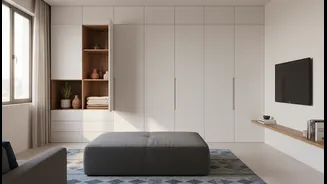
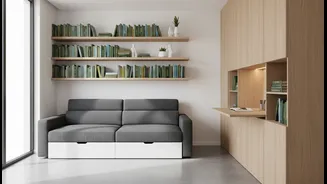
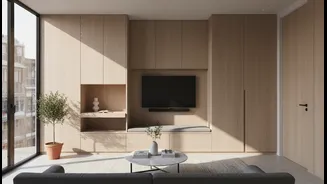
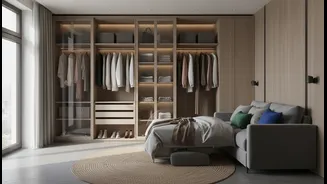
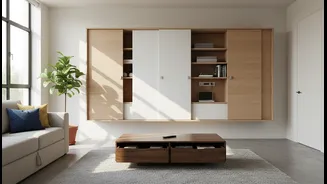
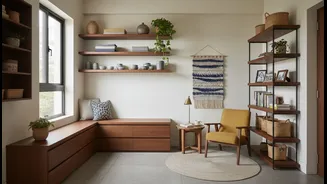
In small flats, floor space is precious. The most effective strategy is to draw the eye upwards and utilize vertical space. Walls are often the most under-utilised asset in our homes. Consider floor-to-ceiling wardrobes, which use the full height of the room to store everything from daily wear to seasonal items and luggage on top shelves. Floating shelves are another excellent tool; place them above doorways, windows, or TV units to create storage without occupying any floor area. Tall, narrow bookshelves or ladder-style units can fit into tight corners, providing ample storage without overwhelming the room. The mantra is simple: keep the floor as clear as possible by making your walls work for you.
Furniture That Works Overtime
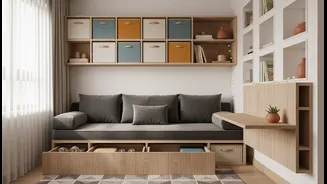
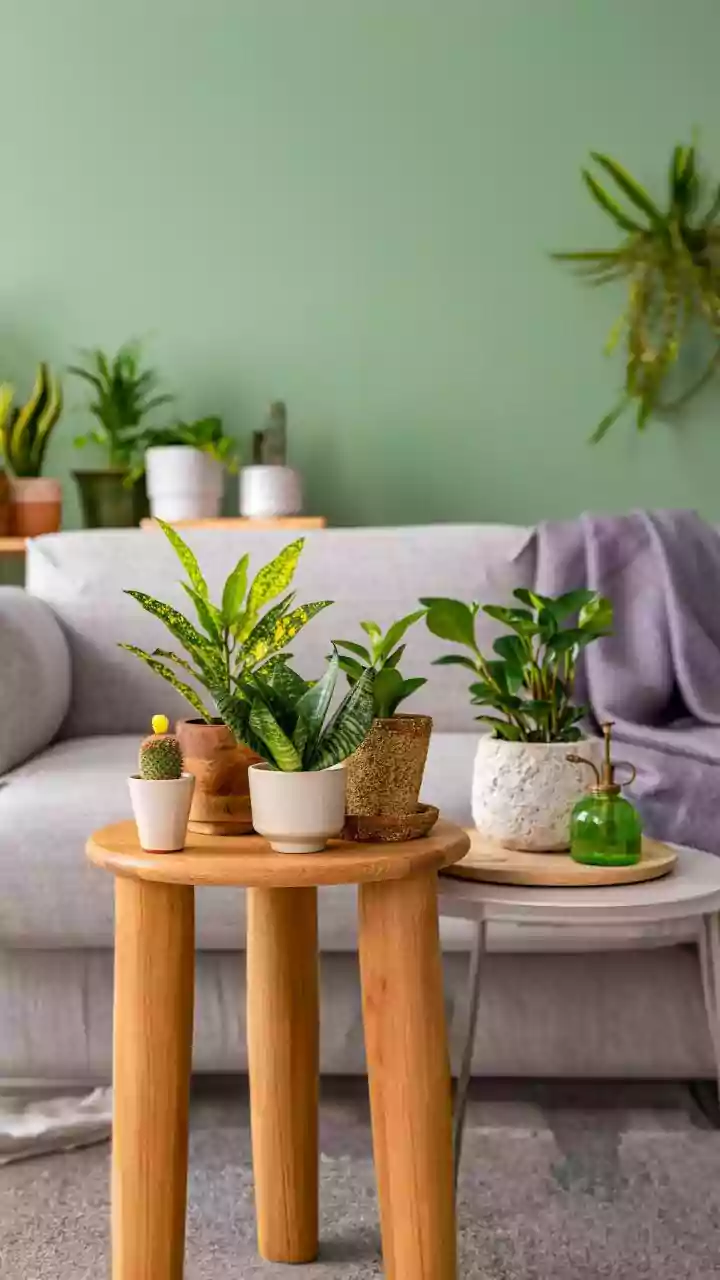
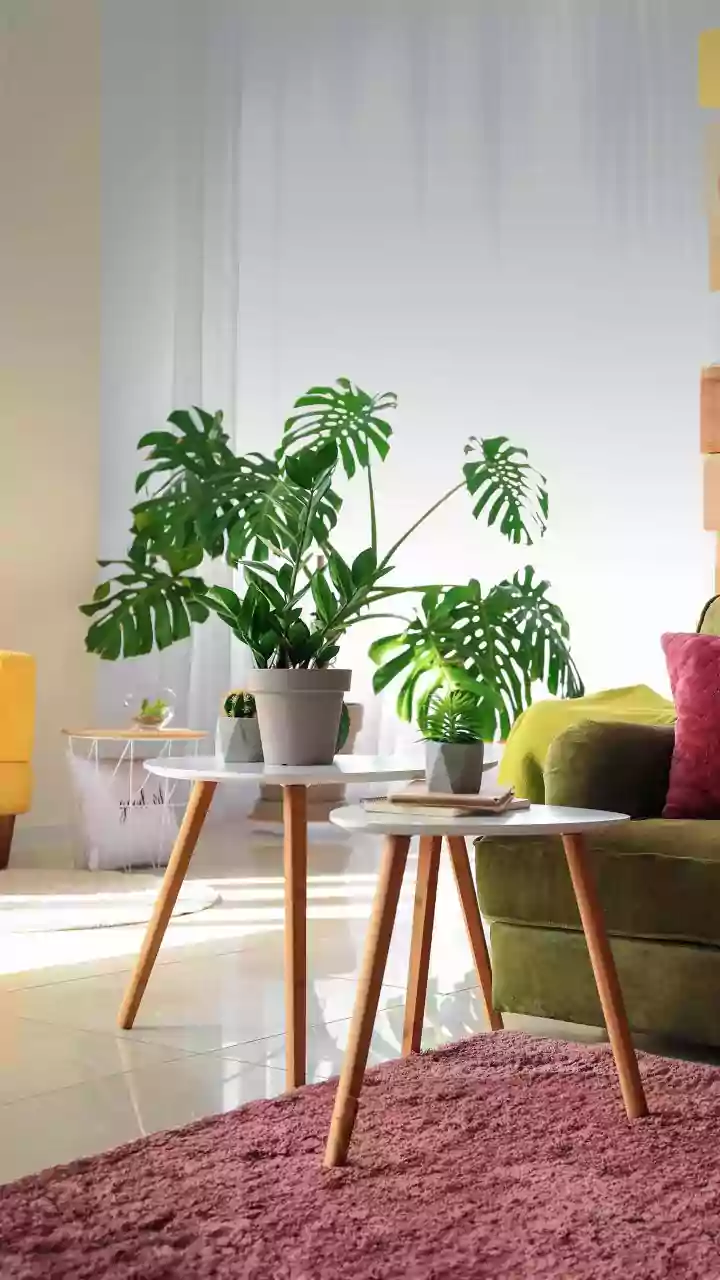
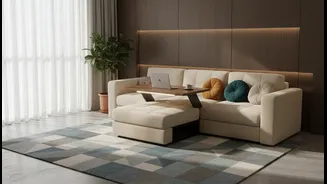
Single-purpose furniture is a luxury few small-apartment dwellers can afford. Embracing multifunctional pieces is a game-changer for Indian homes where a living room often doubles as a guest room. A sofa-cum-bed is a classic example, providing seating by day and a bed by night. Similarly, a bed with built-in hydraulic storage can hold bulky items like quilts, blankets, and suitcases, effectively replacing an entire cupboard. In the living area, a set of nesting tables can be spread out when you have guests and stacked away to reclaim space. Storage ottomans are another clever solution, offering seating, a footrest, and a hidden compartment for clutter. Even dining tables now come in wall-mounted, foldable designs that disappear when not in use.
Designing a Smarter Wardrobe
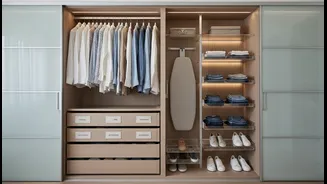
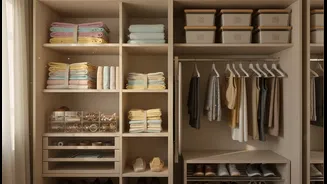
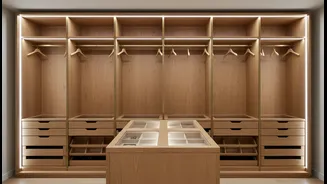
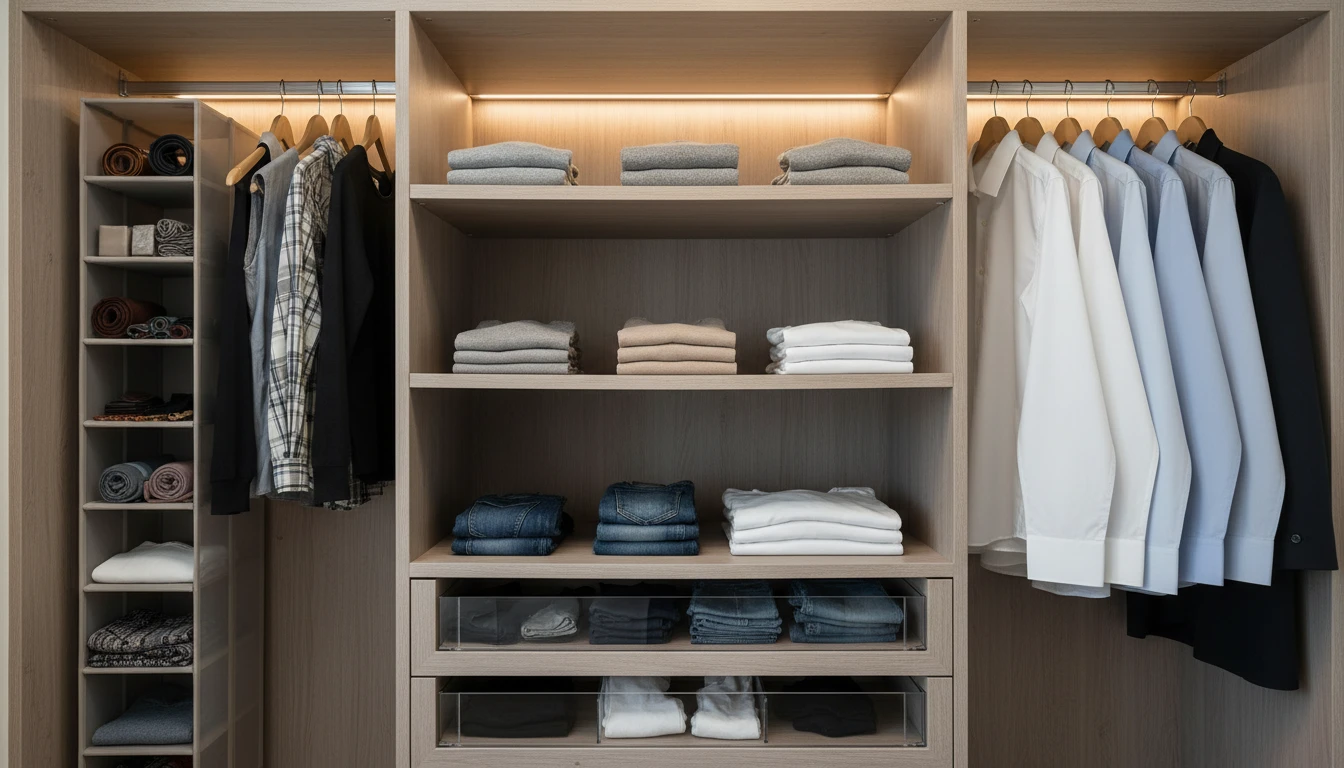
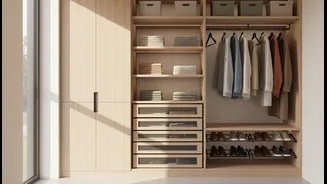
A wardrobe is more than just a box for clothes; it's a daily tool that can either create calm or chaos. For small bedrooms, sliding doors are a non-negotiable feature, as they don't require clearance space to open. Inside, a modular approach is best. Customise the interior with a mix of hanging rods, pull-out shelves, and drawers to suit your specific needs. Adding a second hanging rod can instantly double your garment storage. Incorporating features like integrated LED lights makes finding items easier and adds a premium feel. For a truly smart wardrobe, consider combining open and closed storage. Use open shelves for frequently used items and closed compartments for things that are less visually appealing, maintaining a clean, organised look.