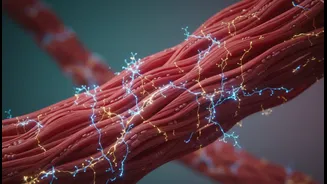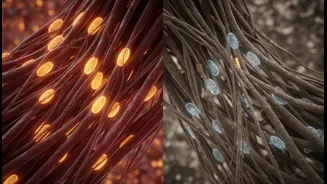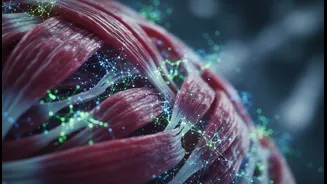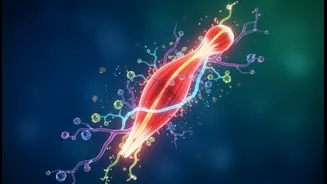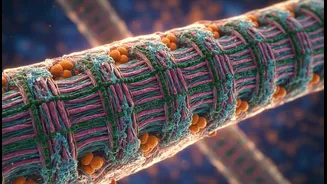








The Ageing Muscle Challenge
As we get older, a gradual decline in muscle mass and strength, known as sarcopenia, becomes a natural part of life. This process doesn't just affect our ability to lift heavy things; it impacts our mobility, balance, and overall independence. Healthy
muscles are crucial for metabolism, blood sugar regulation, and recovering from illness. For years, science has understood that physical activity can slow this decline, but the deeper reasons why have been less clear. Researchers are now looking past the visible effects and zooming in on the molecular signatures of ageing within the muscle cells themselves.
Your Body's Two Clocks
It’s helpful to think of yourself as having two ages: a chronological age (the number of birthdays you've had) and a biological age. Your biological age reflects how old your cells and tissues are functionally. One way scientists measure this is by looking at 'epigenetic clocks'. Think of your DNA as the hardware in a computer. Epigenetics, through processes like DNA methylation, is like the software that tells your genes when to switch on or off. As we age, these 'software' instructions can become less precise, contributing to cellular ageing. The exciting news is that lifestyle factors, especially exercise, appear to be able to rewrite some of this programming.
Exercise Flips a Molecular Switch
Recent studies have identified key molecular players in this process. One study published in July 2026 highlighted a gene called DEAF1, which becomes more active in ageing muscles. This increased activity disrupts the delicate balance between building new proteins and clearing out old, damaged ones. The result is an accumulation of cellular 'junk' that impairs muscle function. Exercise, however, seems to flip this switch back. Physical activity activates other proteins that lower DEAF1 levels, allowing the muscle’s natural housekeeping and repair systems to get back to work. This helps muscles clear out damage, rebuild properly, and stay resilient.
Turning Back the Epigenetic Clock
Several studies confirm that exercise can make muscle tissue 'younger' from an epigenetic standpoint. Research using specialized epigenetic clocks for muscle found that late-life exercise in mice could reverse certain age-related chemical marks on their DNA. In human studies, a combination of aerobic and strength training has been shown to significantly reduce epigenetic age. One study noted that previously sedentary women who started a training program saw their epigenetic age decrease after just eight weeks. This suggests that it’s never too late to start, and that our muscles retain an incredible ability to adapt and rejuvenate in response to physical stress.
What Kind of Exercise is Best?
While any physical activity is better than none, research suggests that structured, goal-oriented exercise delivers the most significant anti-ageing benefits at the molecular level. A combination of endurance (aerobic) exercise and resistance (strength) training appears to be the most effective approach. Resistance training—using weights, bands, or your own bodyweight—is particularly crucial for building and maintaining muscle mass and strength. Aerobic activities like brisk walking, cycling, or swimming are vital for cardiovascular health and improving the efficiency of your cellular powerhouses, the mitochondria. The key is consistency and progressively challenging your muscles over time.