






What Exactly is a Reverse Waterfall?
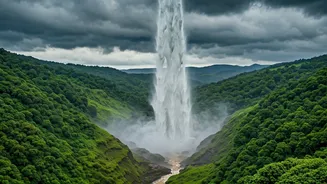
Imagine standing at the edge of a cliff during a downpour. A stream of rainwater cascades over the edge, but instead of plunging downwards, it’s caught by a powerful gust and sprayed back up into the air, drenching you in a misty plume. This is a "reverse
waterfall." It’s not a true reversal of the water’s source, but a spectacular illusion and sensory experience created by a perfect storm of geography and meteorology. The water is still trying to fall due to gravity, but the force of the wind blowing up the cliff face is so immense that it overpowers the downward momentum, atomising it and sending it skyward. It’s a breathtaking battle between two powerful forces of nature, played out right before your eyes.
How Nature Pulls Off the Trick
The phenomenon relies on a simple principle: when wind hits a large object like a cliff face, it has nowhere to go but up. In the Western Ghats, the topography is perfectly suited for this. The vast, steep escarpments act as giant walls, forcing the moisture-laden winds sweeping in from the Arabian Sea to accelerate dramatically as they ascend the slopes. When a waterfall or stream of rainwater flows over the edge of these cliffs, it meets this powerful updraft. If the wind speed is high enough—often exceeding 50 km/h—it creates enough upward pressure to lift the falling water, creating the "reverse" effect. It’s a classic case of kinetic energy (wind) winning a temporary victory over potential energy (gravity).
Your Monsoon Bucket List
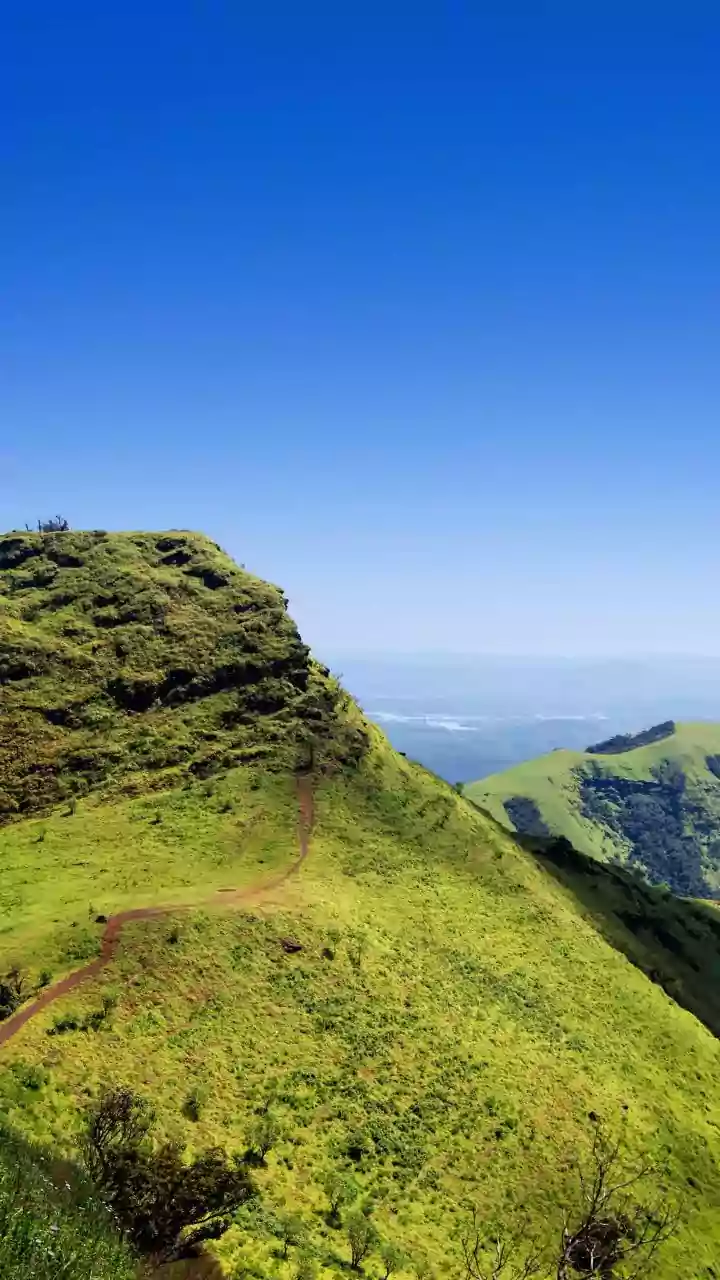
This incredible sight is a specialty of the Sahyadri mountain range (Western Ghats) in Maharashtra. One of the most famous spots is Naneghat, near Junnar. Its high cliffs and a pass that funnels wind make it a prime location. Trekkers and day-trippers flock here between July and September to get soaked by this upside-down spray. Another popular destination is Malshej Ghat, known for its misty roads and numerous waterfalls, many of which exhibit the reverse effect during intense windy spells. Further south, spots like Visapur Fort near Lonavala and various viewpoints along the Amboli Ghat also offer chances to see this natural marvel. The key is to find a location with a sheer drop that directly faces the oncoming monsoon winds.
Timing Is Everything
You can’t just show up and expect to see a reverse waterfall. The conditions have to be just right. Your best bet is to plan a trip during the peak monsoon season, typically from late June to early September. This is when the south-west monsoon is at its most active, ensuring both heavy rainfall to feed the waterfalls and the strong, consistent winds needed to push the water back up. Monitor the weather forecast closely. The ideal day is one with predictions of heavy rain coupled with high wind speeds. A cloudy, gusty, and thoroughly wet day might seem unappealing for an outing, but for a reverse waterfall hunter, it’s the perfect forecast. The phenomenon is most dramatic during or right after a heavy downpour.
Stay Safe While Chasing Waterfalls
While the experience is exhilarating, safety should be your top priority. These locations are often remote, with slippery paths and sheer drops. Wear sturdy footwear with excellent grip; sports shoes will not cut it on slick, muddy trails. A good waterproof jacket is essential. Most importantly, avoid standing too close to the edge of cliffs. Strong, sudden gusts of wind can be disorienting and dangerous, especially on wet ground. It's always best to go with a group, inform someone of your plans, and respect the natural environment that makes such magical moments possible.