






Your Backpack: The First Line of Defence
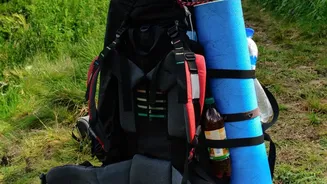
Start with a good foundation, but don't expect it to be a fortress. Most modern trekking backpacks are made from water-resistant materials, not fully waterproof ones. While they can shrug off a light shower, sustained downpours will eventually soak through
the fabric and seams. The most crucial feature for your backpack is not its own waterproofing but its companion: a well-fitting rain cover. A rain cover is a lightweight, external shield that acts as the first barrier against a downpour. Ensure your cover is the correct size for your pack (e.g., 20-40L) and cinches tightly, as high winds can blow rain underneath an ill-fitting one. However, a rain cover is not foolproof; water can still seep through the back panel that rests against you, so think of it as just one part of a larger system.
The Inner Fortress: A Pack Liner
This is the most critical component of your waterproofing strategy. A pack liner is a large, durable, waterproof bag that goes inside your main backpack compartment before you put any gear in. Experienced hikers often consider this more important than an external rain cover. While a rain cover protects your bag from getting waterlogged and heavy, the liner protects your essential gear from getting wet even if the pack itself fails. Heavy-duty trash compactor bags are a popular, budget-friendly option that works remarkably well. For a more durable solution, dedicated pack liners made from materials like Polycro or Silnylon are lightweight and robust. Once your gear is inside the liner, twist the top, fold it over, and tuck it down to create a seal that keeps everything from your sleeping bag to your spare clothes completely dry.
Compartmentalise with Dry Bags
For the third layer of protection, use smaller dry bags to compartmentalise your gear inside the main pack liner. This modular system provides redundancy and organisation. If you have to open your main pack in the rain, your most critical items remain sealed in their own individual waterproof environments. Prioritise items that absolutely must not get wet: electronics, a first-aid kit, and any down insulation like a sleeping bag or puffy jacket, which lose all their warming properties when damp. Use different coloured or sized dry bags to easily identify contents without having to unpack everything. This system of 'double-bagging' — gear in a dry bag, which then goes into the pack liner — is the gold standard for trekking in extremely wet conditions.
Protecting Electronics and Valuables
Modern treks are rarely done without a phone, camera, or power bank. These items require special attention. A dedicated electronics dry bag is a wise investment. For extra peace of mind, you can use simple zip-lock pouches for smaller items like your phone, wallet, and ID cards before placing them in a larger dry bag. Keep these items near the top of your pack for easier access, but always ensure they are within your waterproof liner and a secondary dry bag. Remember that humidity alone can damage electronics, so a sealed bag is essential even when it’s not actively raining.
Choose Your Clothing Wisely
What you pack is as important as how you pack it. For monsoon treks in the humid Western Ghats, avoid cotton at all costs. Cotton absorbs a huge amount of moisture and takes a very long time to dry, leading to discomfort and potential chills. Instead, opt for quick-drying synthetic materials like polyester or nylon for your t-shirts, trousers, and socks. Pack at least one extra set of dry clothes sealed in a dedicated dry bag. These are for you to change into at your campsite; having a dry, warm set of clothes to sleep in can dramatically boost morale after a long day of trekking in the rain.
Quick-Access Items
Some items need to be accessible without opening your main pack compartment. This includes snacks, a water bottle, your phone for navigation, and perhaps a small first-aid kit. For these, consider a waterproof waist pouch or fanny pack. Alternatively, many backpacks have water-resistant pockets on the hip belt or shoulder straps. While convenient, never assume these are fully waterproof. It's best to place items inside a small zip-lock bag before stowing them in these external pockets. A poncho that covers both you and your backpack can also be a great choice, offering an overarching shield for you and your quick-access gear.