



![Box office report [Sept 30]: The Paradise crosses Rs 100 crore, Hanuman Ansh nears Rs 411 crore worldwide](https://g-mob.glance-cdn.com/public/dynamic/720x1280/7f6117074a1443c32e566e5bcc3527bdec83734a.webp)


The Two Pillars of Modern Viewing
India’s digital entertainment landscape is dominated by two powerful forces: the snackable, rapid-fire world of short-form video, led by Instagram Reels, and the immersive, narrative-driven universe of Over-The-Top (OTT) platforms like Netflix, Prime
Video, and Hotstar. For years, the conversation has framed them as competitors fighting for the same screen time. However, a closer look at audience behaviour reveals a more nuanced reality. They are not so much rivals as they are complementary formats, each perfectly designed to fit into different moments of our day and cater to different psychological needs. With India's OTT audience growing to nearly 665 million in 2026 and short-form video becoming a daily habit for a vast majority, it's clear both are here to stay.
Reels: The Kingdom of 'In-Between' Moments
Short-form video is the undisputed king of the ‘in-between’ moments. Think about the small, unfilled gaps in your day: the commute to work, waiting for your food order, a quick tea break, or the few minutes before you fall asleep. These are the moments when Reels and similar formats thrive. The content is designed for low-commitment, high-reward viewing. The algorithm serves a continuous stream of humour, trends, quick tips, and viral moments that provide an instant hit of entertainment without requiring sustained attention. Recent studies show the immense scale of this habit, with some reports indicating that a massive percentage of Indian internet users watch short-form videos daily. This type of viewing is largely passive and discovery-driven; you don’t open Reels looking for something specific, but rather to see what the digital world has to offer you in that fleeting moment.
OTT: The Prime Time for Deep Engagement
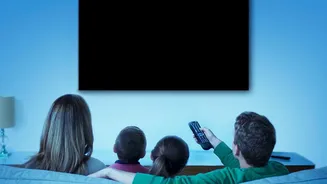
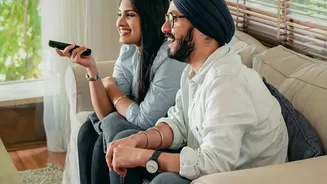
In sharp contrast, OTT platforms are the destination for dedicated leisure time. This is appointment viewing. You set aside time in your evenings or on weekends to intentionally engage with a specific story. Watching a 45-minute episode of a thriller or a two-and-a-half-hour film requires focus and emotional investment. It's a 'lean-in' experience, where the goal is narrative immersion, character development, and a shared cultural experience. Research indicates that a significant number of urban Indians prefer watching OTT content with family, especially during dinner time, cementing its role as a modern replacement for traditional primetime television. The rise of Connected TVs, which have seen explosive growth in India, further underscores this trend, bringing the cinematic experience of OTT into the living room for communal viewing.
A Different Mood for Every Screen
Ultimately, the choice between scrolling through Reels and starting a new series comes down to mood. Reels and other short-form videos cater to a need for instant gratification, novelty, and a sense of connection to current trends. It's a quick escape that doesn't demand much. The content, from comedy to fashion, is served in bite-sized portions that are easy to consume and share. OTT viewing, on the other hand, satisfies a deeper desire for storytelling and emotional connection. It’s about unwinding and escaping into a different world for an extended period. You choose a show or movie based on genre, reviews, or recommendations, actively seeking a particular emotional journey. This is where you go for complex plots, rich character arcs, and high production value that short-form content simply cannot provide.
Not a Battle, But a Balance
The Indian viewer is not abandoning one format for the other. Instead, they are becoming experts at curating a media diet that fits the varied rhythms of their lives. They are format-flexible, switching seamlessly between a 30-second dance challenge and a 10-part historical drama. Brands and creators are also learning to navigate this dual landscape. A movie's marketing campaign might start with a viral Reel to generate buzz before driving audiences to an OTT platform for the full feature. This symbiotic relationship shows that the two formats can and do co-exist, each strengthening the other's place in the ecosystem. The future isn't about one screen winning; it's about understanding that every moment of the day presents a different entertainment opportunity.