

Understanding the Safari Seasons
Most national parks in India close during the monsoon season (typically July to September) and reopen their gates to visitors from October onwards. The 2026 season is expected to follow this pattern, with most major parks like Ranthambore and Corbett
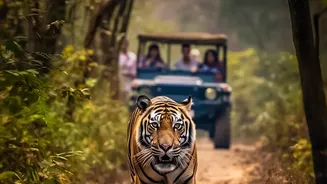
anticipated to open around October 1st. Parks in Madhya Pradesh, such as Kanha and Bandhavgarh, often open slightly later, around mid-October. The season runs until June. While winter (November to February) offers the most pleasant weather for a comfortable safari, the hotter summer months (March to May) are often considered the best for wildlife sightings. During summer, vegetation is sparse and animals congregate around the remaining water sources, increasing your chances of a memorable encounter.
Top Parks to Consider for 2026
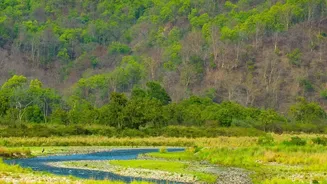
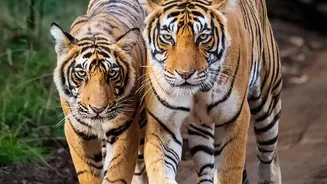
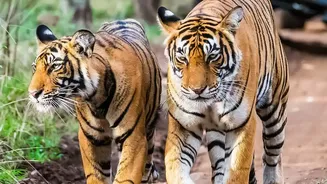
India is home to over 50 tiger reserves, each offering a unique experience. For first-time visitors and photographers, Ranthambore National Park in Rajasthan is a popular choice, known for its tiger sightings against the backdrop of an ancient fort. Jim Corbett National Park in Uttarakhand, India's oldest national park, is another excellent destination, especially for those travelling from Delhi. In Central India, Bandhavgarh and Kanha National Parks in Madhya Pradesh boast a high density of tigers and diverse ecosystems with rolling grasslands and bamboo forests. For a different experience, Kaziranga National Park in Assam is a UNESCO World Heritage site famous for its population of the one-horned rhinoceros.
The All-Important Booking Process
Safari permits are mandatory and in high demand, so booking well in advance is crucial. Most popular reserves open their booking windows 60 to 120 days ahead of the travel date, and permits for prime zones can sell out within hours. There is no single national portal; each state's forest department has its own website for booking safaris in the parks under its jurisdiction. For example, Madhya Pradesh has a unified site for parks like Kanha and Bandhavgarh, while Ranthambore and Corbett have their own dedicated portals. To book, you will need to provide personal details and a valid government-issued ID (like an Aadhaar card or passport for foreign nationals) for every visitor. Alternatively, you can book through your hotel or a reputable travel operator who can handle the logistics for you.
What to Pack and On-Safari Etiquette
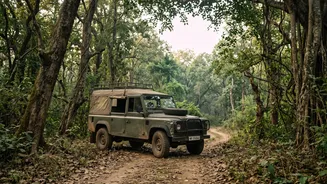
For the best experience, wear comfortable clothes in neutral, earthy tones like beige, green, and brown to blend in with the surroundings. Early morning safaris can be chilly, especially in winter, so layering is a good idea. Don't forget essentials like binoculars for better viewing, a good camera, sunscreen, a hat, and sunglasses. When on safari, remember that you are a guest in the animals' home. Maintain a safe distance from wildlife and resist the temptation to get close for a photo. It's important to remain quiet, avoid making loud noises or sudden movements, and never feed any animals. Always follow the instructions of your guide and driver, as their expertise is invaluable for both spotting wildlife and ensuring your safety. Do not litter; carry all your waste back with you.
Embracing Responsible Tourism
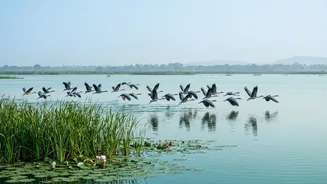
Wildlife tourism plays a vital role in conservation by funding protection efforts and supporting local communities. As a traveller, you can contribute positively by making conscious choices. Opt for tour operators and lodges that have clear ethical guidelines and contribute to local conservation projects. Avoid any activities that exploit animals for entertainment. Responsible tourism is about observing wildlife in its natural habitat without interference. By choosing to travel responsibly, you help ensure that these incredible natural habitats are preserved for future generations to enjoy.