




An Unprecedented Demand for Air Travel
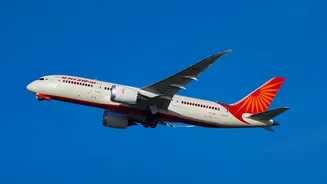
India is experiencing a dramatic surge in air travel, making it one of the fastest-growing aviation markets in the world. This boom is fuelled by a growing middle class, rising disposable incomes, and an increasing preference for the speed and convenience
of air travel. Projections from consultancy Oliver Wyman forecast that India's commercial aircraft fleet will grow at an annual rate of 7.1% between 2026 and 2036, among the highest rates globally. This explosive growth is visible on the ground, with total passenger traffic reaching over 420 million in the 2026 financial year. While international traffic has shown strong growth of over 6%, domestic travel continues to form the backbone of the market, reflecting a fundamental shift in how Indians are choosing to travel.
The Great Aircraft Ordering Spree
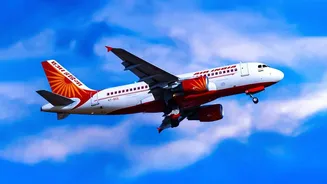
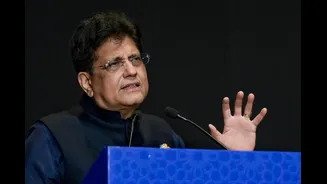
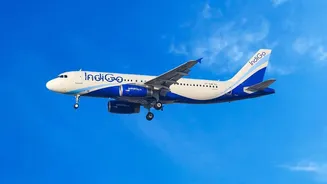
To meet this surging demand, Indian carriers have gone on a historic shopping spree. Airlines including IndiGo, Air India, and Akasa Air have placed firm orders for over 1,200 aircraft from global manufacturing giants Airbus and Boeing. These are not just routine fleet renewals; they represent some of the largest orders in aviation history. For instance, IndiGo's order for 500 Airbus A320-family jets in 2023 and Air India's blockbuster 470-plane deal with both manufacturers signal a massive bet on future growth. The ambition does not stop there. Commerce and Industry Minister Piyush Goyal recently stated that Indian airlines are preparing to order an additional 1,000 planes, bringing the country's total requirement to over 2,000 aircraft to satisfy its long-term expansion plans.
A Global Supply Bottleneck
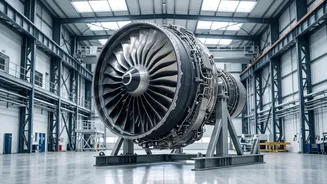
Placing orders is one thing; getting the planes delivered is another. Indian airlines are facing a major hurdle in the form of a strained global supply chain. Both Airbus and Boeing are grappling with substantial order backlogs from airlines worldwide. Production is hampered by shortages of critical components, including engines, which has disrupted manufacturing and delivery schedules. This means that even with firm orders in place, the delivery of new aircraft is spread out over many years, with some planes from current orders not scheduled to arrive until as late as 2034. This global bottleneck puts Indian carriers in a difficult position, limiting their ability to add capacity as quickly as the market demands.
The Impact on Fliers and Fares
For passengers, this gap between demand and supply can have tangible consequences. A shortage of available aircraft can lead to fewer flights on certain routes and limited choices for travellers. This constraint on capacity, especially on routes with little competition, can contribute to higher airfares. Airlines are already feeling the financial pressure from external factors like volatile fuel prices, which has led carriers like Air India to reduce flights on some domestic and international routes to manage costs. While airlines try to absorb costs, reduced seat availability during peak travel seasons could mean travellers face tighter booking options and potentially more expensive tickets.
More Than Just Planes
The pressure extends beyond just the aircraft themselves. A rapidly expanding fleet requires a corresponding growth in the entire aviation ecosystem. This includes having enough trained pilots and cabin crew, as well as the essential ground infrastructure. A crucial piece of this puzzle is Maintenance, Repair, and Overhaul (MRO) services. Historically, a significant portion of India's MRO work was outsourced, but with a fleet set to exceed 1,800 aircraft by 2030, building domestic capacity has become a necessity. Airlines like Air India and IndiGo are now investing in their own maintenance facilities to ensure self-reliance, as dependence on overseas hangars can expose them to geopolitical risks and limited slot availability. The government is also promoting MRO development, recognising it as a key pillar for the industry's future.