


The Old Way vs. The AI Way
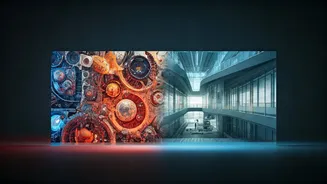
Until recently, creating a compelling environment for a product mockup was a laborious task. A designer might spend hours searching for the perfect stock photo, painstakingly editing it in Photoshop to fit the product, or even building a 3D scene from
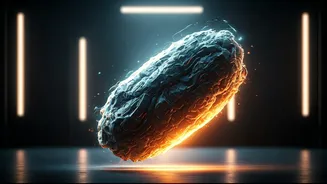
scratch. This process was time-consuming and often limited by budget, available assets, and technical skill. A client’s request for a “slightly different background” could mean a full day of rework. Enter generative AI. Now, that same designer can simply type a descriptive prompt—like “a minimalist kitchen counter with morning sunlight, marble surface, and a blurred green plant in the background”—into an AI tool. Within seconds, the tool produces several high-quality, original images that perfectly match the description. The product can then be seamlessly integrated, transforming a multi-day task into a process of minutes.
The Designer's New AI Toolkit
The magic behind this shift lies in text-to-image generation models. Tools like Midjourney, Stable Diffusion, and OpenAI’s DALL-E 3 have become indispensable assets in the modern designer's toolkit. While they are known for creating fantastical art, their practical application for commercial design is proving to be a game-changer. These platforms allow designers to specify not just the setting, but also the mood, lighting, camera angle, and style. Need a mockup of a new skincare bottle on a wet, slate surface in a moody, spa-like setting? You can generate dozens of variations in the time it takes to drink a cup of coffee. This allows for an unprecedented level of creative exploration at the very beginning of a project.
Beyond Speed: The Creative Advantage
The primary benefit isn't just speed; it's the explosion of creative possibility. Designers are no longer bound by the limitations of pre-existing photography. They can conceptualise and visualise any scene imaginable, helping clients see the full potential of a product in its ideal context. This is particularly powerful for client pitches and internal presentations. Instead of describing a vision with words and mood boards, designers can now present a near-photorealistic image of the final concept. This ability to iterate visually and rapidly leads to stronger ideas and faster client approvals. It shifts the designer’s role from a digital labourer to a creative director, guiding the AI to produce the perfect visual narrative.
The Human Element Is Still Crucial
Despite the impressive capabilities of these tools, the fear of AI replacing designers is largely misplaced. The output from generative AI is rarely perfect on the first try. It requires a designer's trained eye to write effective prompts, select the best options, and perform the final refinements. AI can generate a beautiful kitchen, but it doesn't understand brand strategy, target demographics, or the subtle nuances of a campaign's visual language. The designer’s role is evolving from 'creator' to 'curator' and 'editor'. They are the ones who provide the taste, the strategic direction, and the final polish that turns a raw AI generation into a professional, on-brand asset. The most valuable skill is no longer just technical proficiency in software, but the ability to creatively collaborate with an AI partner.
Navigating the New Challenges
This new workflow is not without its hurdles. The legal and ethical landscape of AI-generated content is still murky, particularly concerning copyright and the data on which these models were trained. Designers must be cautious about using AI for final commercial work without understanding the terms of service of the tool and the potential risks involved. Furthermore, there's a risk of aesthetic homogenisation if everyone uses the same tools in the same way. The challenge for designers is to use AI not as a crutch for generic visuals, but as a springboard for unique and innovative ideas that still reflect a distinct creative point of view.