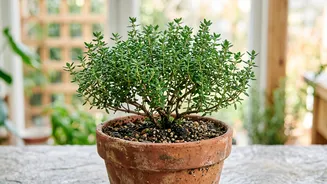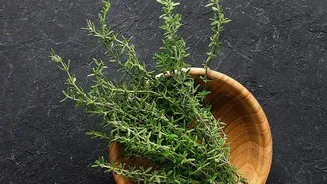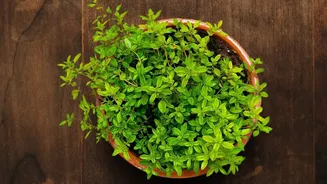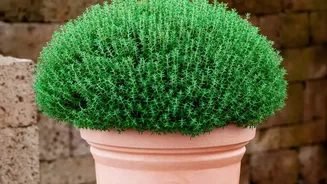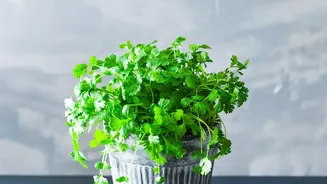





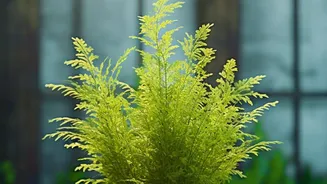

Imagine snipping fresh, aromatic thyme for your roast chicken or evening tea right from your kitchen windowsill. Growing this hardy Mediterranean herb indoors is surprisingly simple and provides a ready supply for all your culinary needs.
Choose the Right Pot and Soil
Thyme thrives
in conditions that mimic its native Mediterranean habitat, which means it despises wet roots. Start with a clay or terracotta pot, as the porous material helps wick away excess moisture. Good drainage is non-negotiable, so ensure your chosen container has at least one large hole at the bottom. For the soil, think lean and gritty. A standard potting mix is often too dense and retains too much water. Instead, use a fast-draining mix, such as one designed for cacti and succulents, or create your own by blending potting soil with coarse sand, perlite, or fine grit. The goal is a soil that stays light and allows water to move through freely, preventing the dreaded root rot that is the most common killer of indoor thyme.
Sunlight: The Most Crucial Ingredient
If there's one thing thyme cannot live without, it's sunlight. This herb needs at least six hours of bright, direct sun each day to flourish indoors. The ideal spot is a south-facing windowsill where it can soak up the strongest rays. If your home lacks sufficient natural light, your plant will likely become 'leggy'—stretched, pale, and weak. In this case, supplementing with a full-spectrum LED grow light for 12 to 16 hours a day can make all the difference, ensuring your thyme grows dense, healthy, and flavourful. Remember to rotate your pot every few days to encourage even growth and prevent the plant from leaning towards the light source.
Watering Wisdom: Less Is More
The most common mistake when caring for indoor thyme is overwatering. This drought-tolerant plant prefers its soil to dry out completely between waterings. A good rule of thumb is to poke your finger about an inch or two into the soil; if it feels dry, it's time to water. When you do water, do so thoroughly until you see it run out of the drainage hole, then discard any excess from the saucer. Allowing the pot to sit in standing water is a fast track to root rot. Wilting leaves can be misleading; while it might seem like a sign of thirst, for thyme, it often indicates the roots are stressed from too much moisture.
Harvesting for Flavour and Fullness
Regular harvesting is key to keeping your thyme plant productive and bushy. You can start snipping sprigs once the plant is established and about six to eight inches tall. For the best flavour, harvest in the morning after the dew has dried, as this is when the essential oils are most concentrated. Use sharp scissors to cut the top two to three inches of the soft, green stems, always cutting just above a pair of leaves. This encourages the plant to branch out and become fuller. Avoid cutting into the tough, woody base of the plant, as it is much slower to regrow. Never remove more than one third of the plant at a single time to ensure it has enough foliage left to continue thriving.