








Turmeric: The Monsoon Shield
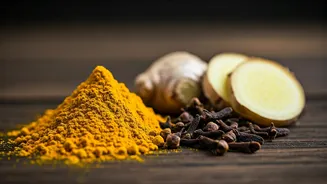
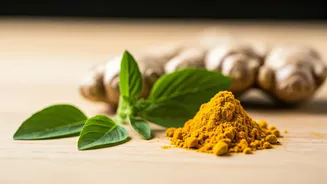
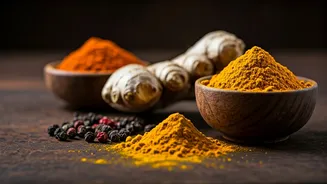
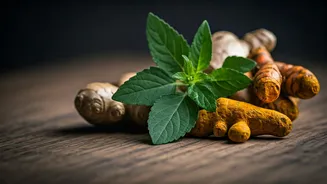
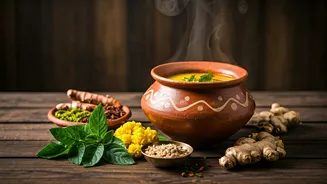
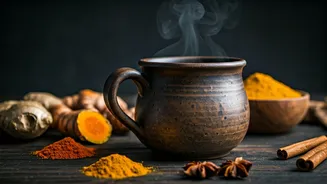
Come monsoon, the air gets heavy with moisture, and so does the risk of infections. This is where the golden power of turmeric, or haldi, shines. Its active compound, curcumin, is a potent anti-inflammatory and antioxidant powerhouse. Traditionally revered
for its antiseptic properties, a pinch of turmeric in warm milk (haldi doodh) or your daily dal can help bolster your immune system. It’s known to fight off the bacteria and viruses that thrive in damp weather, making it your first line of defence against seasonal colds, coughs, and sore throats. Think of it not just as a spice, but as a daily immunity-boosting ritual that keeps you resilient through the rainy season.
Ginger: The Winter Warmer
When the winter chill sets in, a warm cup of adrak chai is more than just comforting—it’s therapeutic. Ginger is a diaphoretic, meaning it helps warm the body from within, making it an essential winter spice. Its active ingredient, gingerol, has powerful medicinal properties, including aiding digestion and reducing nausea. More importantly for winter, ginger is excellent for soothing a scratchy throat and clearing congestion. It acts as a natural expectorant, helping to break up mucus in the respiratory tract. Whether grated into soups, steeped in tea, or added to your sabzi, ginger provides that much-needed internal heat and respiratory relief to breeze through the coldest months.
Cardamom: The Summer Cooler
While it may seem counterintuitive to use a spice to cool down, cardamom (elaichi) is traditionally used in Ayurveda for its cooling properties. During the sweltering Indian summer, when dehydration and heat-related ailments are common, cardamom can be a subtle yet effective ally. It is known to help detoxify the body and aid digestion, which can often become sluggish in extreme heat. Chewing on a pod can also act as an excellent mouth freshener, combating the effects of a dry mouth. Adding crushed cardamom to your nimbu pani, lassi, or even just a glass of cool water infuses it with a refreshing flavour and a gentle, cooling effect that helps your body better cope with the scorching temperatures.
Cloves: The Oral Health Guardian
Cloves, or laung, are tiny powerhouses of medicinal value, available year-round but especially useful when seasonal changes trigger dental or throat issues. The main compound in cloves, eugenol, is a natural anesthetic and antiseptic. For centuries, it has been a go-to home remedy for toothaches and gum inflammation. Simply placing a clove on the affected area can provide temporary relief. Beyond dental health, clove-infused water or tea is an excellent remedy for a sore throat and persistent cough, thanks to its antimicrobial properties. Its strong, aromatic presence in biryanis and pulaos does more than add flavour; it contributes to overall oral hygiene and fights off germs.
Cinnamon: The Metabolic Balancer
Cinnamon (dalchini) is a wonderfully aromatic spice that has gained attention for its potential benefits on metabolic health. This is particularly relevant during festive seasons, which often involve indulging in sweets and rich foods. Some studies suggest that cinnamon can help improve insulin sensitivity and manage blood sugar levels, making it a smart addition to your diet. It's also packed with antioxidants that combat oxidative stress caused by free radicals. Sprinkling a little cinnamon powder on your morning oatmeal, coffee, or even in a savoury curry adds a warm, complex flavour while quietly working to support your body's metabolic balance. It’s a simple way to make your meals both delicious and a little bit healthier.