








The Disposable Past
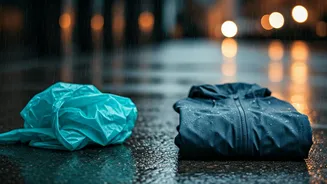
For years, the soundtrack of the monsoon was the rustle of thin, single-use plastic rain sheets. Sold at traffic signals and outside train stations for a few rupees, they were the default choice for millions. They offered temporary relief but were notoriously
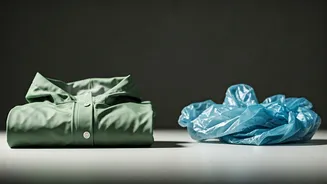
fragile, often tearing within a single use. This created a massive environmental problem. During heavy downpours, these discarded plastics choke city drainage systems, contributing to waterlogging and flooding. They wash into rivers and eventually the ocean, becoming a significant source of marine pollution, with studies showing that the monsoon flushes huge volumes of plastic from land into the sea. This cycle of buying, using once, and discarding has defined the monsoon experience as one of inconvenience and waste.
A Shift Towards Sustainability
A significant cultural shift is challenging this disposable habit. Across India, there is a growing consciousness around sustainability and the environmental impact of single-use products. Consumers, particularly in urban areas, are increasingly willing to invest in products that are not only durable but also eco-friendly. This trend is driven by a desire to reduce personal waste and make more mindful choices. The rainwear market is a perfect example of this change. Instead of seeing rain protection as a throwaway item, people are now looking for gear that will last multiple monsoon seasons, viewing it as a long-term investment rather than a recurring expense.
More Than Just Staying Dry
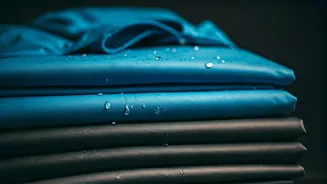
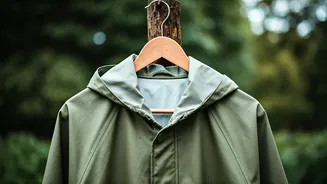
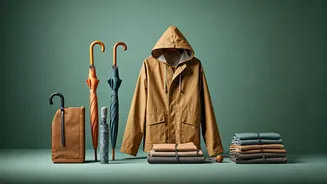
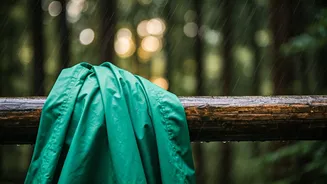
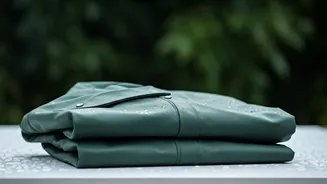
Today’s reusable rainwear is about more than just function; it is a fashion statement. Homegrown and international brands are offering raincoats and jackets that are stylish, well-fitted, and made from advanced materials. These fabrics are not only waterproof but also breathable, which is crucial for comfort in India’s humid monsoon climate. Designs now incorporate features like sealed seams, adjustable hoods, and compact, foldable pouches perfect for commuters. Materials like recycled PET bottles, bamboo-derived fabrics, and organic cotton with plant-based water repellents are gaining popularity. This focus on aesthetics and comfort means that a raincoat is no longer something to be endured, but a piece of an outfit that reflects personal style.
The Rise of Conscious Brands
This consumer-led change is supported by a dynamic market. Brands like Wildcraft, Duckback, and Zeel have long been staples, known for their durability and functionality. They are now joined by a new wave of direct-to-consumer (D2C) brands and international sportswear companies that are bringing fresh designs and sustainable materials to the forefront. E-commerce platforms have made a wide variety of stylish and eco-friendly options more accessible to consumers in both big cities and smaller towns. These brands are finding success by offering a balance between reasonable pricing and an extended product lifespan, directly challenging the economics of single-use plastics.
A New Monsoon Mindset
Ultimately, the move to reusable rainwear signifies a change in the collective mindset towards the monsoon. By investing in reliable and even attractive gear, people are better equipped to go about their lives without disruption. A durable raincoat provides the confidence to commute to work, run errands, or simply enjoy a walk in the rain without the hassle of getting drenched or dealing with a torn plastic sheet. This small change in a seasonal essential empowers people to embrace the monsoon, transforming it from an annual inconvenience into a season to be experienced and even enjoyed. It marks a departure from a culture of temporary fixes to one of thoughtful preparation and sustainable living.