
Choose Your Monsoon Trek Wisely
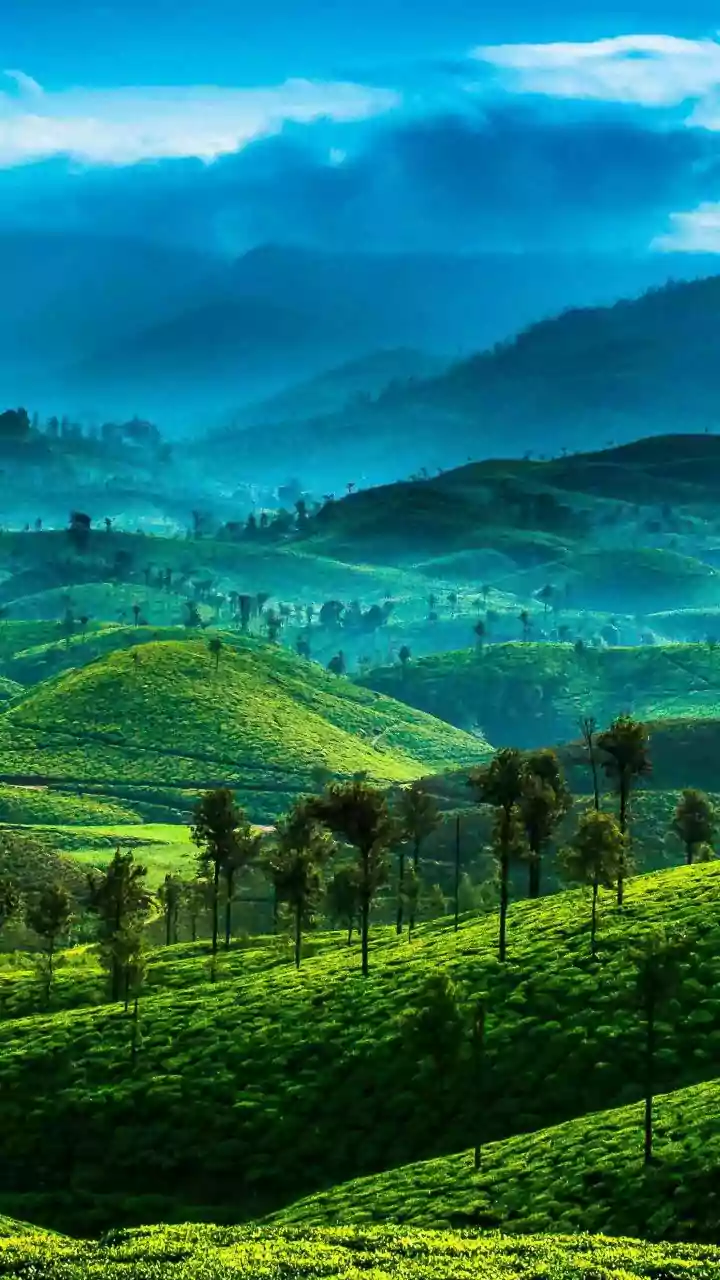
August transforms Uttarakhand's meadows into lush, flower-filled landscapes, but it's also peak monsoon. This means not all trails are safe. Landslides and swollen streams are real risks. For this season, prioritise treks known for stability. The Valley
of Flowers is a classic and relatively safe choice, as the trail is well-maintained and populated with forest officials. Other suitable options for beginners or those seeking caution include Nag Tibba and Dayara Bugyal, though trekking poles are essential for slippery paths. Treks to strictly avoid in August include Har Ki Dun, which is often officially closed, along with Kuari Pass and Roopkund, due to treacherous conditions. Always check with local authorities or your guide company about the current status of your chosen route before you even leave home.
Prioritise Gradual Acclimatisation
Altitude sickness, or Acute Mountain Sickness (AMS), can affect anyone above 8,000 feet, regardless of fitness level. It’s your body's reaction to lower oxygen levels. The best and only real way to prevent it is to ascend gradually. Plan your itinerary to include rest days. A key rule is not to increase your sleeping altitude by more than 1,000-1,600 feet per night once you are above 9,800 feet. Spending an extra night at a midway point gives your body crucial time to adjust. Rushing to the summit is the fastest way to get sick and ruin your trip. Listen to your body, limit physical exertion for the first day at a new altitude, and remember that the trek is a marathon, not a sprint.
Recognise and Respect AMS Symptoms
Knowing the signs of AMS is non-negotiable. The earliest symptoms are often mild and can include headache, nausea, fatigue, dizziness, and difficulty sleeping. These are not to be ignored or pushed through. If you or someone in your group experiences these signs, the first and most important step is to stop ascending immediately. Rest where you are. If symptoms do not improve or worsen, the only effective treatment is to descend to a lower altitude. Descending by even 1,000 feet can bring significant relief. For preventative measures, some trekkers consult a doctor about taking acetazolamide (Diamox), which can help speed up acclimatisation. However, this should only be taken after medical consultation.
Pack Smart for Monsoon and Altitude
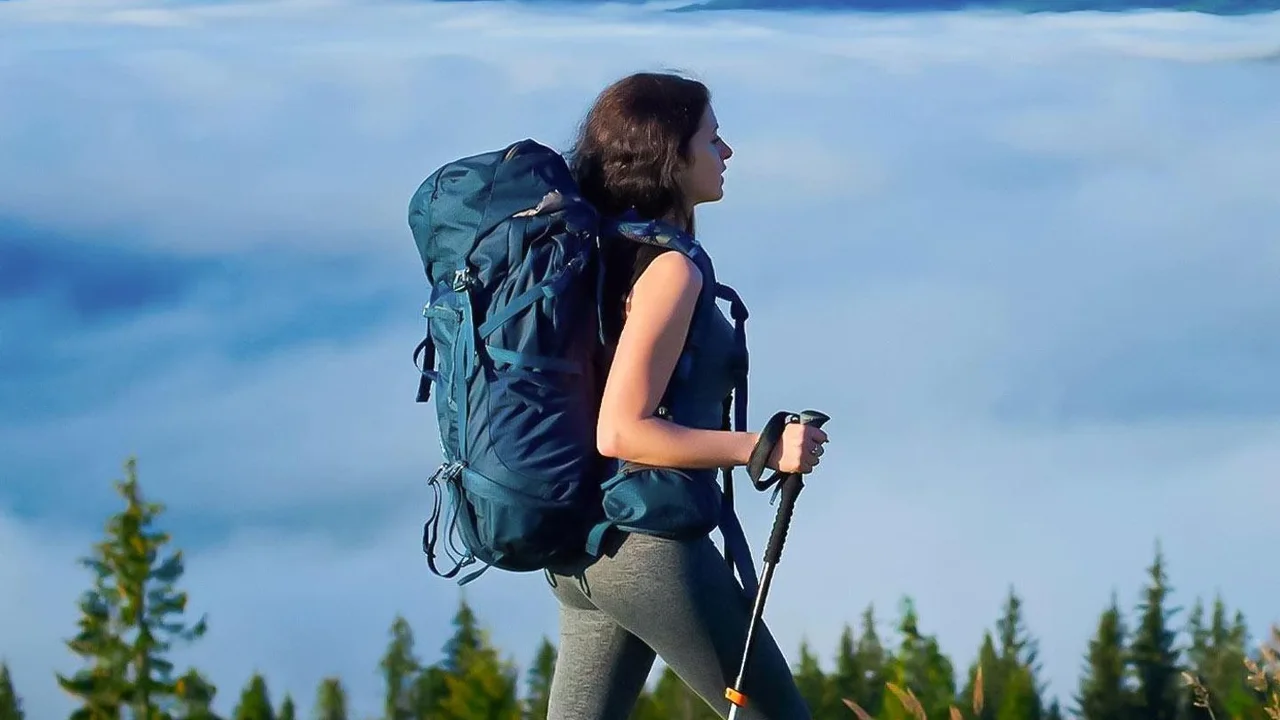
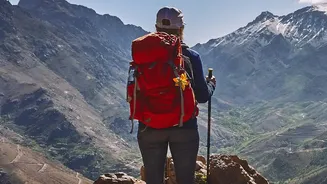
Your packing list should be tailored for rain, cold, and safety. Waterproof gear is paramount; this includes a high-quality rain jacket or poncho, waterproof trekking shoes with excellent grip, and a rain cover for your backpack. Pack quick-dry clothing in layers and avoid cotton, which stays wet. Your first-aid kit is essential: include basics for cuts and blisters, pain relievers for headaches, and any personal medications. Given the unpredictable weather and potential for delays, a power bank is crucial for keeping your phone charged. Leeches can be common on monsoon trails, so consider leech socks or repellent. Finally, trekking poles are not optional—they provide critical stability on slippery, muddy paths.
On-Trek Rules for a Safe Return
Once on the trail, simple habits make a big difference. Start your trekking day early to take advantage of clearer morning weather and to ensure you reach your campsite well before dark, as visibility often drops in the afternoons. Stay well-hydrated throughout the day, and maintain your energy with regular, carbohydrate-rich meals. Never trek alone in these conditions; hiring a local guide or joining a group is highly recommended for safety and navigating challenging sections. Inform someone not on the trek about your detailed itinerary and expected return date. Finally, be prepared to turn back. If weather conditions deteriorate or someone shows signs of severe altitude sickness, descending is the bravest and smartest choice.