


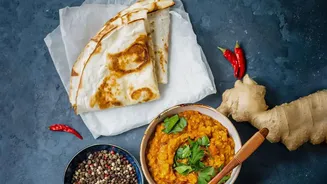
That bag of ragi or jowar in your pantry is more than a health food trend; it's a link to India's ancient culinary past. Before rice and wheat dominated our plates, millets were the staple that nourished generations. Here’s why these traditions matter
now.
A Grain with Deep Roots
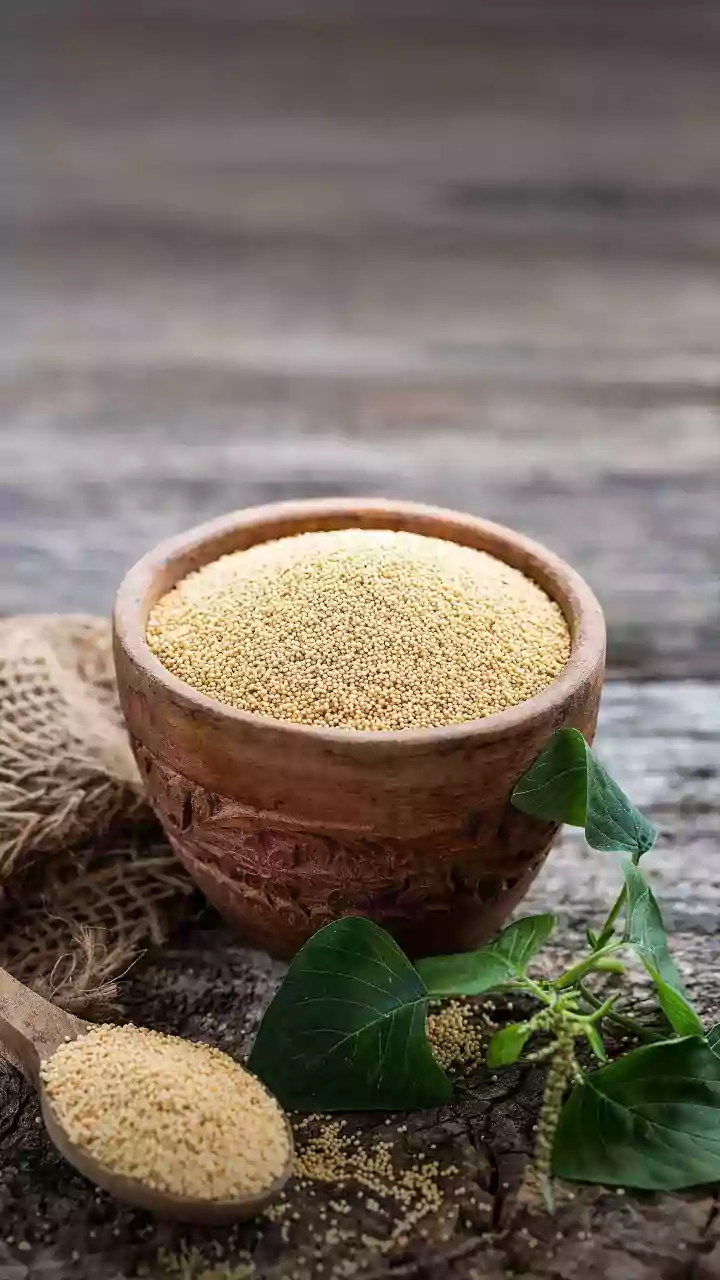
For thousands of years, millets were the backbone of the Indian diet. Archaeological evidence shows their cultivation during the Indus Valley Civilization. Grains like jowar (sorghum), bajra (pearl millet), and ragi (finger millet) were perfectly suited to India's diverse and often harsh climates, thriving in arid regions with minimal water. They were fundamental to regional food cultures, from the 'bhakri' of Maharashtra to the 'mudde' of Karnataka. However, with the Green Revolution's focus on wheat and rice, these nutrient-dense grains were gradually sidelined, often dismissed as 'coarse grains' and forgotten by urban consumers.
A Nutritional Powerhouse
The renewed interest in millets is largely driven by their incredible nutritional profile. They are naturally gluten-free, high in dietary fibre, and packed with essential proteins, vitamins, and minerals. Ragi, for instance, is a calcium champion, containing more of the mineral than any other cereal, which is vital for bone health. Bajra is rich in iron and magnesium, making it great for energy and heart health, while jowar is loaded with antioxidants. With a lower glycemic index compared to refined grains, millets release sugar into the bloodstream more slowly, making them an excellent choice for managing blood sugar levels.
Echoes from Regional Kitchens
The wisdom of using millets lies in our own traditional kitchens. In Rajasthan and Gujarat, bajra roti is a winter staple, often enjoyed with a dollop of ghee. In Karnataka, ragi mudde, a steamed ball of finger millet flour, is a beloved comfort food served with sambar. The Deccan plateau relies on jowar for its staple flatbread, the jowar bhakri. These aren't just old recipes; they are time-tested, nutritionally balanced meals. The combination of a millet with dal or a legume, a common practice, creates a complete protein source, providing all essential amino acids.
The Modern Millet Makeover
Today, chefs and home cooks are breathing new life into these ancient grains, proving their versatility far beyond traditional rotis and porridges. Millets are now being used to create everything from fluffy idlis and crisp dosas to gourmet risottos and gluten-free baked goods. Jowar flour is being turned into pizza bases and pancakes, while foxtail millet is used as a healthy substitute for rice in pulaos and salads. Chefs are appreciating the unique character of each grain: ragi's earthy flavour in cakes, bajra's robust taste in khichdi, and the creamy texture of kodo millet in a risotto. Even desserts are getting a millet makeover, with dishes like barnyard millet 'phirni' and foxtail millet 'payasam'.
Bringing Tradition to Your Table
Incorporating millets into your diet doesn't require a complete overhaul of your cooking style. You can start small by swapping rice with foxtail or little millet for one meal, or by making upma with barnyard millet. Experiment with ragi flour in your dosa or idli batter, or try making multigrain rotis that include jowar or bajra flour. The key is to see them not as a 'health substitute' but as a primary ingredient with its own unique texture and flavour. By reintroducing millets, you are not just making a healthy choice but also participating in the revival of a sustainable and culturally rich food heritage.