



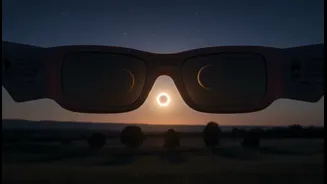


The Great European Eclipse of 2026
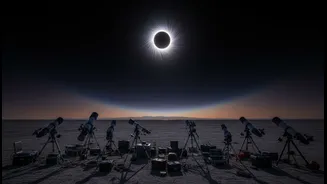
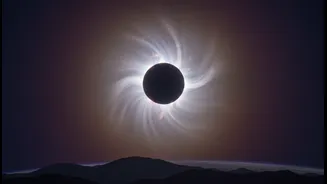
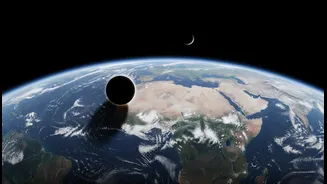
On August 12, 2026, a total solar eclipse will carve a path across the globe, offering a rare spectacle for millions. The path of totality—the narrow strip where the Moon completely blocks the Sun—will cross over Greenland, the western edge of Iceland,
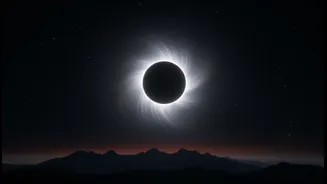
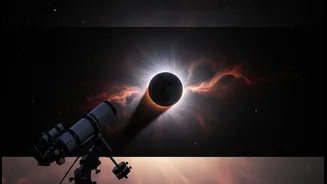
and northern Spain. For those in the right locations, day will briefly turn to twilight, revealing the sun's ethereal corona. This event is particularly significant as it's the first total solar eclipse in mainland Europe since 1999. Major travel destinations like Iceland and parts of Spain, including the Balearic Islands of Mallorca and Ibiza, are directly in the path, setting the stage for a massive influx of visitors.
Lessons from North America's Eclipses
To understand the potential chaos, one only needs to look at the recent past. The 2017 and 2024 total solar eclipses in the United States served as a stark preview of what happens when millions of people converge on narrow paths of totality. In 2017, what was a four-hour drive from Casper, Wyoming, to Denver, Colorado, became a ten-hour ordeal after the eclipse. Rural interstates and highways saw traffic jams lasting up to 13 hours. The 2024 event was even larger, with an estimated 31.6 million people living in the path of totality, compared to 12 million in 2017. This surge of 'eclipse chasers' overwhelmed local infrastructure, leading to gridlock, strained emergency services, and even overloaded cell phone networks that disrupted communications.
Navigating the Travel Gridlock
For the 2026 eclipse, August is already peak tourist season in Spain, and the eclipse will amplify this dramatically. Experts strongly advise against traveling on the day of the eclipse itself. The recommended strategy is to arrive at your viewing destination at least a day or two early and plan to leave a day or two after the event concludes. Roads leading to prime viewing areas in northern Spain and Iceland are expected to be heavily congested hours before and after totality. Accommodation and rental cars should be booked months, if not a year, in advance, as prices will spike and availability will plummet. Remember to fill up your car with fuel well before the event, as long lines and potential shortages at gas stations are likely.
Staying Connected When Networks Fail
One of the most overlooked challenges during a mass-viewing event is the failure of communication networks. When tens of thousands of people in a concentrated area try to use their smartphones simultaneously to navigate, post photos, or stream the event, local cell towers can become overwhelmed. This can make it impossible to make calls, send texts, or access data. For eclipse planning, this means you can't rely on your phone's GPS at the last minute. It is crucial to download maps of the area for offline use. Establish clear backup plans with your family or group, including a designated meeting spot in case you get separated and can't communicate electronically. Having cash on hand is also wise, as credit card processing systems and ATMs may also be affected by network outages.
Health, Safety, and Essential Supplies
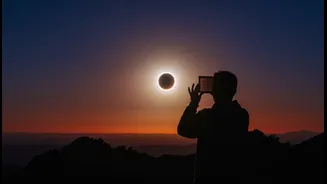
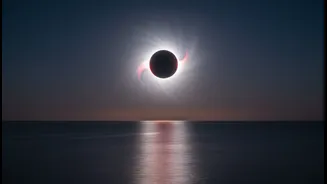
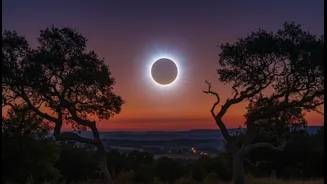
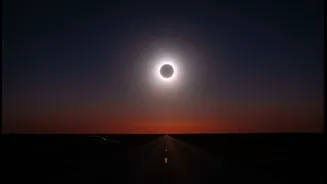
Beyond the critical need for certified eclipse glasses (ISO 12312-2 certified) to prevent permanent eye damage, other preparations are essential. Treat the day like you're preparing for a major storm or a multi-hour festival. Pack plenty of water, snacks, and any necessary medications. Since the eclipse happens in August, sun protection like hats and sunscreen is vital, as you may be waiting outside for hours. Because emergency services may be delayed due to traffic, having a basic first-aid kit in your vehicle is a prudent measure. In Spain, the eclipse will occur late in the day, creating a unique 'sunset eclipse,' which means you need a clear view of the western horizon, free from hills or buildings.