





As the air turns crisp and days grow shorter, our bodies naturally crave heartier foods. Luckily, nature provides a bounty of vibrant autumn crops that do more than just comfort us; they arm our bodies with powerful antioxidant support.
Understanding Antioxidants: Your Body's Defence Team
Before diving into
the delicious specifics, it's helpful to know what we're talking about. Antioxidants are compounds found in many foods, especially colourful fruits and vegetables. Their main job is to protect our cells from damage caused by unstable molecules called free radicals. This damage, known as oxidative stress, is linked to inflammation and various chronic health conditions. As the weather cools, our immune systems can face extra challenges. A diet rich in antioxidants helps support the normal function of our immune cells, providing a crucial line of defence when we need it most. Eating seasonally is an effective way to get these protective compounds, as produce harvested at its peak often contains higher levels of nutrients.
Pumpkin and Squash: The Beta-Carotene Powerhouses
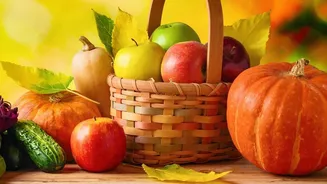
Nothing says autumn quite like pumpkin. Beyond pies and decorations, pumpkins and other winter squashes are nutritional giants. Their brilliant orange hue comes from beta-carotene, a potent antioxidant. Once consumed, your body converts beta-carotene into vitamin A, a nutrient essential for healthy vision, skin, and robust immune function. Studies show that vitamin A helps strengthen the linings of our respiratory and digestive tracts, which act as critical barriers against harmful pathogens. Pumpkins are also a good source of vitamins C and E, creating a trio of antioxidants that work together to protect cells from oxidative stress.
Apples: A Crisp Source of Quercetin
The old saying 'an apple a day' holds up, especially in the fall. Apples are rich in a powerful flavonoid antioxidant called quercetin. Research suggests quercetin has anti-inflammatory and immune-modulating properties. It works by helping to regulate the body's response to inflammation, particularly in the respiratory system. Most of the quercetin, along with beneficial fibre, is found in the apple's peel, so it's best to eat them unpeeled for maximum benefit. This versatile fruit is an easy and delicious way to get a daily dose of antioxidants that support everything from gut health to heart health.
Cranberries: Full of Protective Anthocyanins
These tart, ruby_red berries are a highlight of the autumn harvest. Cranberries are exceptionally high in antioxidants, particularly a type called anthocyanins, which are responsible for their deep colour. Anthocyanins have been studied for their anti_inflammatory effects and their role in supporting cardiovascular health. Cranberries are also famous for containing proanthocyanidins (PACs), compounds that may help prevent certain bacteria from sticking to the walls of the urinary tract and stomach. While often associated with holiday sauces, fresh or frozen cranberries can be blended into smoothies or added to baked goods for a year_round antioxidant boost.
Leafy Greens and Cruciferous Vegetables
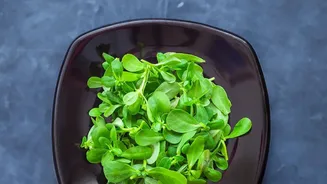
Autumn also brings a harvest of hearty greens and cruciferous vegetables like Brussels sprouts, broccoli, and cabbage. These vegetables are packed with vitamin C, a well_known antioxidant that supports the production and function of white blood cells, which are key players in your immune system. A single serving of Brussels sprouts or cabbage can provide a significant portion of your daily recommended intake of vitamin C. These vegetables also provide other important compounds and fibre that contribute to overall wellness, making them an essential part of a balanced autumn diet.