







More Than Just Feeling Hot
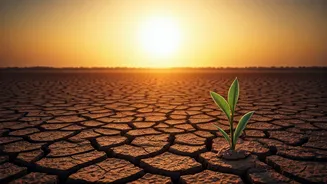
So, what exactly is heat stress? It's the condition that occurs when your body can no longer cool itself effectively and your internal temperature starts to rise. Normally, we cool down by sweating, which evaporates and takes heat with it. But when it's
extremely hot and humid, sweat can't evaporate as efficiently. This is where the term 'wet-bulb temperature' comes in; it's a measure that combines air temperature and humidity to give a more accurate idea of how the heat feels and how effectively our bodies can cope. When wet-bulb temperatures are high, the body is under immense strain, which can lead to serious health issues.
Why the Sudden Buzz?
The reason heat stress is trending is simple: we are facing more frequent, longer, and more intense heatwaves. Across India, cities have been recording record-breaking temperatures. The India Meteorological Department (IMD) has noted that even in early July 2026, maximum temperatures are expected to remain above normal for many parts of the country, increasing discomfort when combined with monsoon humidity. These prolonged periods of heat mean our bodies have less time to recover, especially as nights are also becoming warmer, a phenomenon worsened by the 'urban heat island' effect in concrete-dense cities. This relentless exposure puts cumulative stress on the body, making heat-related illnesses more likely.
From Exhaustion to Emergency
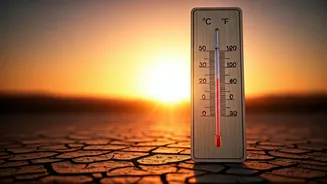
Heat stress isn't a single condition but a spectrum of illnesses. It starts with milder symptoms like muscle cramps, heavy sweating, fatigue, dizziness, and headache, collectively known as heat exhaustion. If not treated, this can escalate to heatstroke, a life-threatening medical emergency. The key sign of heatstroke is a very high body temperature (above 40°C or 104°F) combined with confusion, slurred speech, or loss of consciousness. Crucially, in a case of heatstroke, the body may stop sweating altogether, meaning it has lost its ability to cool down. This can rapidly lead to organ damage and can be fatal if not treated immediately.
Who Is Most Vulnerable?
While extreme heat can affect anyone, some groups are at a much higher risk. This includes outdoor workers, such as construction labourers and farmers, who have prolonged exposure. The elderly, young children, and people with chronic health conditions like heart disease, diabetes, and respiratory issues are also particularly vulnerable because their bodies cannot regulate temperature as efficiently. The World Health Organization notes that heat can worsen these underlying conditions, leading to a spike in hospitalisations during heatwaves.
How to Stay Safe
Preventing heat stress is far better than treating it. The National Disaster Management Authority (NDMA) has issued clear guidelines. First and foremost, stay hydrated by drinking plenty of water, even if you don't feel thirsty. Homemade drinks like lemon water and lassi are also effective. Avoid alcohol and caffeine as they can dehydrate you. Plan your day to avoid being outdoors during peak sun hours, typically between noon and 3 p.m. If you must be outside, wear lightweight, light-coloured, and loose-fitting cotton clothes. At home, keep your space cool by using curtains and fans. If you see someone showing signs of heat exhaustion, move them to a cool place, give them water, and use cool, wet cloths to lower their body temperature. If they show signs of heatstroke, it is a medical emergency and you should seek help immediately.