






The Foundation Built by ISRO
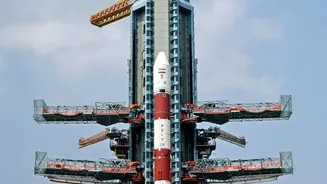
For more than 50 years, ISRO has been the engine of India's space ambitions. From launching its first rockets to the historic Chandrayaan-3 lunar landing, the agency built a world-class program, becoming one of the top six space agencies globally. This
created a strong foundation of talent, infrastructure, and technological know-how. However, the sector was almost entirely a government monopoly, with private companies mainly acting as suppliers for ISRO's needs. A career path was clear but narrow: join the prestigious government agency or remain on the periphery.
A Policy Shift Opens the Skies
The turning point came in June 2020, when the government announced it would open the space sector to private enterprise. This was formalized by the Indian Space Policy of 2023. The policy's goal was to boost India's share of the global space economy by allowing private companies to undertake end-to-end space activities. A new regulatory body, the Indian National Space Promotion and Authorisation Centre (IN-SPACe), was created. It acts as a single-window agency to authorise and supervise private space projects, from building rockets and satellites to providing space-based services. This landmark reform repositioned ISRO to focus on advanced research and development, while encouraging private players to lead commercial manufacturing and operations.
Meet the New Players: India's Space Startups
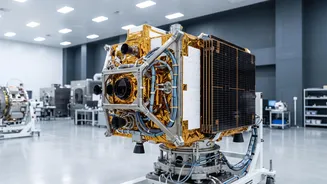
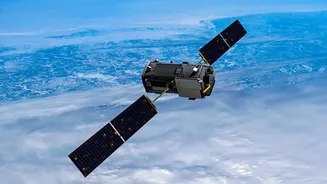
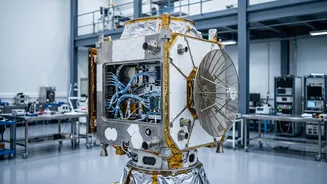
The policy shift has unleashed a wave of entrepreneurial energy. As of 2026, India is home to more than 400 space startups, which have attracted cumulative investments of around $600 million. These companies are not just concepts; they are building and launching real hardware. Key players include Skyroot Aerospace and Agnikul Cosmos, both developing their own launch vehicles to send satellites into orbit. Pixxel is building a constellation of hyperspectral imaging satellites to provide detailed data about the planet. Others like Dhruva Space focus on satellite manufacturing, while companies like SatSure are using satellite data for applications in agriculture and finance. These firms are creating a competitive, dynamic industry where innovation is moving at a rapid pace.
Upstream vs. Downstream: A Universe of Roles
The new space economy is broadly divided into two categories: 'upstream' and 'downstream'. The upstream sector involves building and launching space assets like rockets and satellites. Companies like Skyroot and Agnikul operate here. The downstream sector, however, is where many experts see the most significant growth. This involves using the data and services provided by satellites for applications on Earth. Think satellite communication providing broadband to remote areas, Earth observation data for urban planning and disaster management, or precision navigation services. This downstream boom means the demand for talent goes far beyond aerospace engineering.
Beyond Rocket Science: The New Space Jobs
The diversification of the space industry means a diversification of jobs. While aerospace engineers are still in high demand, companies now need a much wider range of skills. Downstream analytics companies are hiring data scientists, machine learning engineers, and software developers to make sense of satellite imagery. As startups grow, they need marketing professionals, video editors, accountants, and business development managers. Space law is an emerging field, as private activities require legal frameworks for contracts and liability. With India's space economy projected to grow significantly, opportunities are opening up for professionals from various backgrounds who want to be part of this exciting frontier.