





The New Era of Dynamic Railway Operations
Indian Railways is in a constant state of upgrade and maintenance. This means schedules are more fluid than ever before. For instance, in July 2026, major engineering work in Uttar Pradesh and the Bilaspur Railway Division has led to numerous cancellations
and diversions. Similarly, Southern Railway announced a maintenance block affecting services in the Madurai and Salem divisions, causing partial cancellations and route changes for many long-distance trains. These disruptions, necessary for infrastructure improvement and safety, mean that the train you took last year, or even last month, might not run on the same schedule, or at all. Events like monsoon-triggered landslides, such as the one in the Lonavala-Karjat ghat section, can also cause sudden cancellations and rescheduling of major express trains. Relying on old timetables or memory is no longer a viable strategy.
Not All Stops Are Created Equal Anymore
The introduction of high-speed services like the Vande Bharat Express has revolutionised train travel, but it has also altered the network's dynamics. These premium trains often get priority on crowded routes, which can sometimes lead to delays for other express and passenger trains. More importantly for your travel plans, Vande Bharat trains have fewer stops to maintain their high speed. This means they often bypass smaller stations that were previously served by other express trains. If your destination is a smaller town, you can no longer assume that a fast train on that route will halt there. Always check the official list of stops for your specific train number before booking to avoid being stranded at a station far from your intended destination. This is crucial as the network expands to include more of these premium, limited-stop services.
The Midnight Booking and Similar-Name Trap
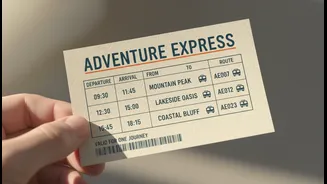
A common and frustrating error is booking a ticket for the wrong date, especially for trains departing shortly after midnight. A train scheduled for 12:15 AM on a Saturday actually departs on the night between Friday and Saturday. It's easy to mistakenly book it for the following night, leading to a missed train and a non-refundable ticket. Another pitfall is the existence of trains with very similar names or numbers. For example, a 'Superfast' express and a regular express might ply the same route but have different stopping patterns and travel times. Always cross-reference the train number and name on the IRCTC website or the NTES (National Train Enquiry System) app to ensure you are booking the exact service you need. This small step of verification can prevent major travel headaches.
New Rules and Why They Matter
The rules governing bookings and cancellations are also evolving. As of early July 2026, the advance reservation period has been reduced from 120 days to 60 days for most trains, a move intended to curb ticket hoarding. Furthermore, new ticket cancellation rules introduced in 2026 have created a more structured, time-based penalty system. Cancelling more than 72 hours in advance incurs only a minimal fee, but the penalty sharply increases as the departure time nears, with no refund for cancellations made less than eight hours before departure. This makes booking the correct date and train right the first time more critical than ever, as last-minute changes are now significantly more expensive. Stricter fines for ticketless travel have also been implemented, reinforcing the need for a valid, correct ticket.
Your Pre-Booking Final Checklist
Before you hit the 'Pay' button, treat it like a final exam. First, use the official IRCTC Rail Connect app or website for all bookings. While other apps are available, the official source is always the most reliable for real-time data. Second, double-check the departure date, paying close attention to AM/PM and post-midnight timings. Third, verify the train number and name to ensure it's the service you want. Fourth, review the list of scheduled stops to confirm it halts at your desired station. Finally, check for any recent announcements or press releases from Indian Railways regarding diversions or cancellations, especially during monsoon season or festival periods. Using the NTES app for live train running status and schedule checks is also highly recommended for the most current information.