



More Than a Meal
Imagine a dish that tells you about a forgotten trade route, an heirloom ingredient sourced from a remote village, or a childhood memory from a chef's ancestral home. This is the essence of narrative-driven dining, a trend that is reshaping India's fine-dining
landscape. It’s a move away from simply presenting delicious food to creating an immersive experience where every course is a chapter in a larger story. Diners are invited not just to eat, but to connect with the origins, traditions, and emotions woven into the food. This approach transforms the plate into a stage and the chef into a storyteller, offering a deeper, more meaningful engagement with cuisine.
Chefs as Storytellers
At the forefront of this movement are visionary chefs who see food as a powerful medium for storytelling. In Mumbai, Masque, led by Chef Varun Totlani, champions a philosophy of showcasing produce across the country, with tasting menus that tell a story of India's diverse terroir. Their team travels extensively, from the Himalayas to the coast of Goa, to source unique ingredients and understand local culinary traditions, which are then reinterpreted through a modern lens. Similarly, Chef Niyati Rao's Ekaa, also in Mumbai, is built around an 'ingredient-first' concept where each element is the protagonist of its own story. The menu is an ode to her motherland, inspired by people, cultures, and memories, aiming to break down assumptions about Indian gastronomy.
A Return to Roots
So, why is this happening now? The trend reflects a growing confidence and introspection within the Indian culinary scene. For years, fine dining in India was often defined by international cuisines. Now, chefs are looking inward, celebrating the immense diversity of the country's own culinary heritage. This isn't about replicating old recipes but about researching, reviving, and reinterpreting them for a contemporary audience. It's a conscious effort to preserve culinary traditions and reclaim the narrative of Indian food. By focusing on hyper-local ingredients and regional micro-cuisines, these restaurants are challenging the monolithic idea of "Indian food" and presenting it as a rich tapestry of distinct stories. This shift is driven by a desire to connect with and take pride in one's own cultural and culinary identity.
The Plate as a Stage
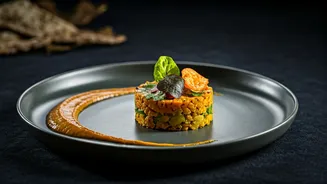
The narrative extends beyond the food itself. The entire dining experience is curated to support the story. At Masque, located in a former Mumbai textile mill, the minimalist design allows the food to take centre stage, while at Ekaa, the space is designed to be warm and interactive, encouraging conversations with the chefs. Even pioneering restaurants like Indian Accent, which helped redefine modern Indian cuisine, build their tasting menus around stories, with Chef Manish Mehrotra describing his approach as "inventive Indian." Each dish, whether it's a creative take on a street food classic or a tribute to a regional specialty, is presented with its context, giving diners a sense of place and purpose. It’s a form of edible theatre where the ingredients are the cast, and the menu is the script.