




The Rise of the Urban Jungle
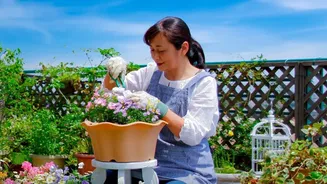
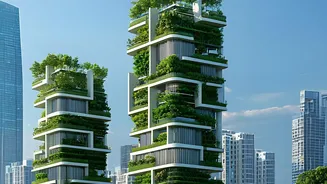
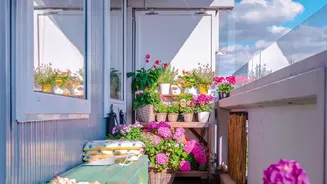
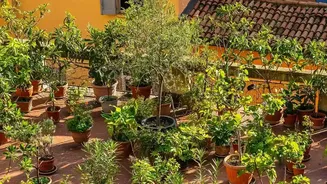
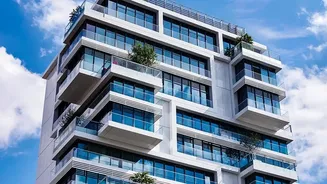
In the concrete landscapes of Mumbai, Bengaluru, and Delhi, a growing number of apartment dwellers are turning to gardening to reclaim a piece of nature. This trend is driven by more than just aesthetics; it's a response to the need for stress relief,
a desire for healthier living, and the simple joy of nurturing life. A small collection of plants can transform a utilitarian space into a personal retreat, offering a green view that calms the mind. Beyond the mental health benefits, these micro-gardens contribute positively to the urban environment, helping to purify air and reduce the urban heat island effect, even on a small scale. The movement has also seen a rise in 'pollinator balconies', designed to attract and support local wildlife like bees and butterflies.
Choosing Your Green Companions
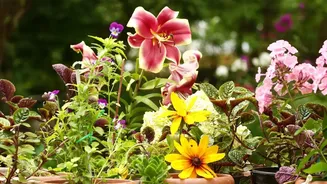
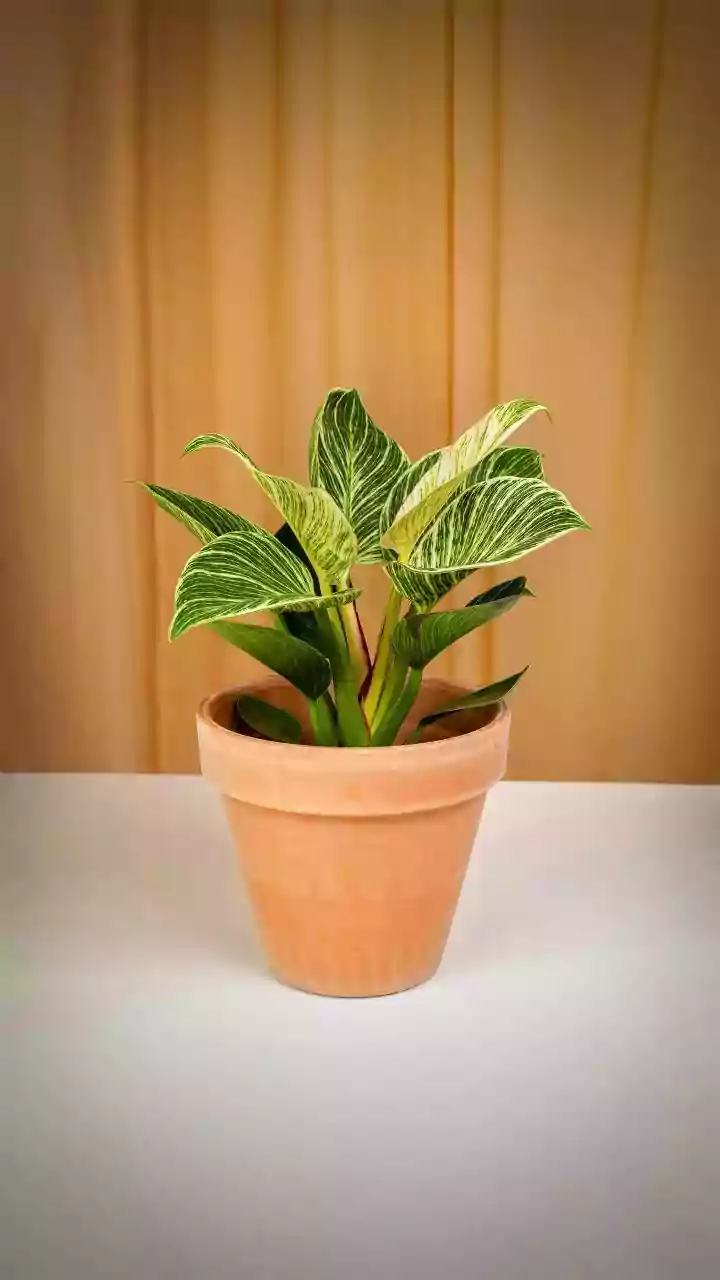
The key to a successful balcony garden, especially for beginners, is choosing the right plants. For sunny balconies that receive 5-6 hours of direct light, flowering plants like Bougainvillea, Hibiscus, and Marigold are excellent choices. Edible plants such as tomatoes, chillies, and curry leaves also thrive in these conditions. If your balcony is shadier, don't despair. Plants like Money Plant (Pothos), Snake Plant, and Peace Lily are famously forgiving and do well in low-light conditions. For those looking to create an edible garden, starting with herbs is a great entry point. Mint (Pudina), Holy Basil (Tulsi), and Coriander are easy to grow in pots and provide fresh flavours for your kitchen.
Thinking Vertically in Small Spaces
When floor space is limited, the only way to go is up. Vertical gardening is a game-changer for small Indian balconies. Simple solutions can dramatically increase your planting area. Consider installing wall-mounted shelves, using tiered plant stands, or fixing a trellis for climbing plants. Hanging planters are perfect for trailing plants like English Ivy or Spider Plant, drawing the eye upward and creating a lush, layered look. Even railings can be utilized with specially designed planters that hook on securely. By thinking vertically, you can host a surprising number of plants without cluttering your valuable floor space.
Containers, Soil, and Care
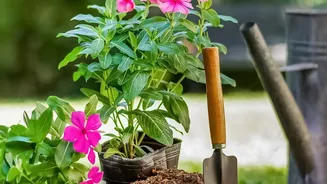
The foundation of a healthy balcony garden lies in the right containers and soil. Almost anything can become a planter, from traditional terracotta pots and lightweight grow bags to recycled plastic bottles. The most important feature is proper drainage holes to prevent waterlogging, which can be fatal to most plants. Use a quality potting mix rich in organic matter rather than heavy garden soil. For busy professionals, self-watering pots can be a lifesaver, as they have a reservoir that keeps plants hydrated for days. Understanding your balcony's microclimate is crucial for watering. South-facing balconies get hotter and require more frequent watering, while north-facing ones stay cooler. A simple rule of thumb is to check the top inch of soil; if it's dry, it's time to water.
More Than Just Decoration
Creating a balcony garden is about more than just adding greenery; it's about cultivating a new lifestyle. The act of tending to plants is a therapeutic hobby that can reduce stress and promote well-being. For many, it's a way to tackle concerns about food quality and rising prices by growing their own fresh, pesticide-free herbs and vegetables. This small-scale farming, sometimes called 'micro-gardening', empowers urban families to supplement their groceries with produce harvested just steps from their kitchen. It fosters a deeper connection to food and the seasons, turning a simple balcony into a productive and joyful extension of the home.