





Understanding the Power of Pressure
A pressure cooker works by creating a sealed environment. As the liquid inside boils, it produces steam that can't escape. This trapped steam increases the internal pressure, raising the boiling point of water from 212°F to as high as 250°F. This superheated
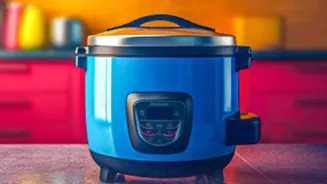
environment forces liquid into food, cooking it dramatically faster and making tough ingredients tender. However, this efficiency depends on the ability to manage that pressure. Every pressure cooker, whether a modern electric model or a traditional stovetop version, is a sealed vessel that needs a way to safely release the immense energy it builds. This is where the steam vents and safety valves come into play. They are the gatekeepers of pressure, and their proper function is non-negotiable for safety.
The Critical Role of the Steam Vent
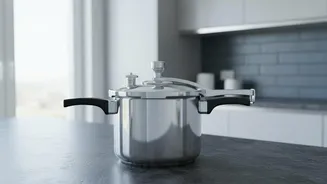
The lid of your pressure cooker is its most complex component, featuring a system of valves designed to regulate and release steam. The primary steam release valve (often a weighted regulator or a switch on electric models) is your main tool for depressurization. But there are also secondary safety valves that act as a failsafe. If the primary vent becomes blocked, these backup valves are designed to release pressure to prevent a dangerous buildup. An explosion can occur if these venting systems are compromised. Without a clear exit path, the pressure can build to a point where the lid seal fails catastrophically, expelling scalding hot food and steam with tremendous force. This is why the headline holds true: safety hinges on giving that steam a clear route out.
Common Causes of a Blocked Vent
A blocked vent is the most common user-related cause of pressure cooker accidents. Blockages often happen for a few key reasons. Overfilling the cooker is a primary culprit. A pressure cooker should never be filled more than two-thirds full with liquid and solids. For foods that foam, froth, or expand, like beans, rice, lentils, and oatmeal, you should only fill the cooker halfway. This headspace is crucial to prevent bubbling food from rising up and clogging the vents. Another issue is small food particles or mineral deposits from water that accumulate over time. If not cleaned regularly, this buildup can obstruct the narrow channels of the valves, rendering them useless when you need them most. Even a tiny piece of food debris can create a dangerous plug.
Your Pre-Cooking Safety Checklist
Before you cook, take 30 seconds to perform a quick safety inspection. First, examine the lid. Hold it up to a light source and look through the steam vent and safety valve openings to ensure they are completely clear. Use a small brush or pipe cleaner if needed. Second, check the sealing ring, which is the rubber or silicone gasket that fits inside the lid. Ensure it is clean, properly seated, and free of cracks or dryness. A damaged gasket can prevent a proper seal or fail under pressure. Manufacturers often recommend replacing this ring annually. Finally, be mindful of the fill level. Adhering to the two-thirds (or one-half for expanding foods) rule is one of the most important steps you can take to prevent accidents.
Essential Cleaning and Maintenance
Proper maintenance is simple and ensures your pressure cooker remains a safe tool. After each use, once the cooker has cooled, wash the pot, lid, and gasket separately with warm, soapy water. Pay special attention to the lid's components. Remove the sealing ring and clean the groove it sits in. Use a small brush to gently scrub the steam valve and its housing to remove any residue. Never use harsh, abrasive scrubbers that could scratch the surfaces. Allow all parts to dry completely before reassembling and storing the cooker. To prevent odors and preserve the gasket, it's often recommended to store the lid upside down on top of the pot, rather than sealed shut.