







An Uneven and Underwhelming Rainfall
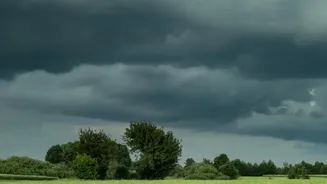
The India Meteorological Department (IMD) has forecast a below-normal monsoon for 2026, largely influenced by strengthening El Niño conditions in the Pacific Ocean. While July saw some recovery in rainfall, the cumulative season total as of early August
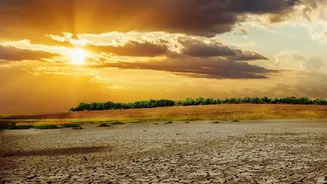
remained deficient by about 12% of the Long Period Average (LPA). This national average, however, hides a more worrying trend: severe regional disparities. As of early August, nearly half of the country's districts were facing deficient rainfall. This uneven distribution is a major concern for agriculture, as prolonged dry spells in key farming regions can have an outsized impact on crop health, even if other areas receive adequate rain. Experts warn that a few days of heavy rain cannot compensate for weeks of dryness, which depletes soil moisture at critical growing stages.
The Critical Kharif Connection
The timing of the monsoon's weakness is crucial as it coincides with the Kharif sowing season, which is when a majority of India's food grains and other staples are planted. Nearly half of India's farmland is rain-fed, making the summer monsoon essential for crops like rice, pulses (dal), soybeans, cotton, and certain vegetables. A deficit in rainfall directly impacts sowing operations. As of mid-August, data from the Agriculture Ministry showed that the total area sown with Kharif crops was trailing about 2% behind the previous year. Some reports from earlier in the season indicated much sharper drops in the sowing of oilseeds and pulses. Crops like soybeans are considered particularly at risk, as continued moisture stress through late August could impede flowering and pod formation, directly reducing yields.
From Parched Fields to Pricey Plates
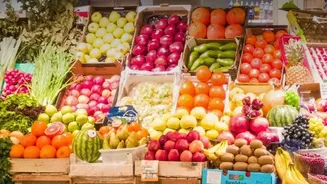
The link between a poor monsoon and your grocery bill is direct. Lower crop production tightens supply, and when demand remains constant, prices inevitably rise. This is already becoming a concern. Even before the full impact of the monsoon's performance is known, food inflation has been creeping up. India's retail inflation rose to 4.45% in July, driven primarily by firm food prices, with the Consumer Food Price Index (CFPI) hitting 5.52%. This pressure is felt more acutely in rural areas, where food inflation was higher at 5.79%. Recent days have seen sharp, localised spikes in the prices of vegetables in various mandis, with leafy green vegetable prices jumping over 29% in a single day in some markets. While prices for some items like tomatoes have eased, others like onions, ginger, and garlic have seen dramatic price increases.
Broader Economic Ripples
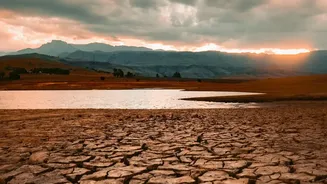
The impact of a weak monsoon extends beyond just food prices. It affects the broader economy in several ways. Depleted rains lead to lower levels in India's major reservoirs, which not only impacts drinking water supply but also the water available for the subsequent Rabi (winter) crop season. Furthermore, lower agricultural output reduces farm incomes, which can dampen rural demand for consumer goods, from motorcycles to electronics, affecting numerous industries. The Reserve Bank of India's Monetary Policy Committee has flagged the uneven monsoon as a significant risk to the inflation outlook. Persistent food inflation could force the central bank to maintain higher interest rates for longer, affecting borrowing costs for consumers and businesses alike.
The Outlook and What to Watch
While the situation raises concerns, it is not yet a full-blown crisis. The performance of the monsoon in the latter half of August and September will be critical in determining the final crop output. Government interventions, such as releasing buffer stocks of grains like rice and wheat or easing import norms for commodities in short supply like pulses and edible oils, can help cushion the price impact. However, the pressure on vegetable prices and pulses is expected to persist if rainfall does not revive comprehensively. For now, all eyes remain on the skies. The trajectory of rainfall over the next few weeks will determine whether these price pressures intensify or recede, shaping the economic landscape for months to come.