



Philosophy: Inward Calm vs. Outward Joy
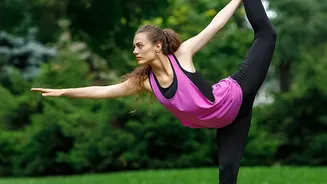
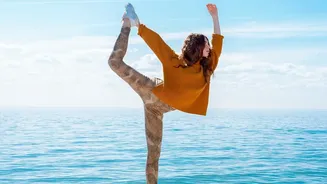
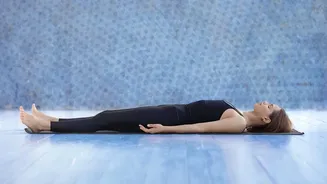
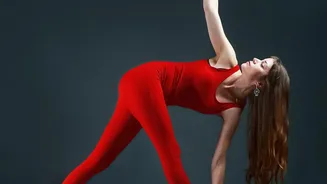
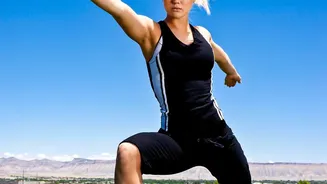
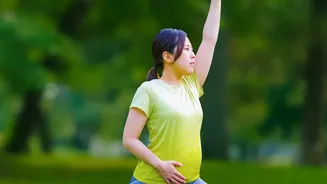
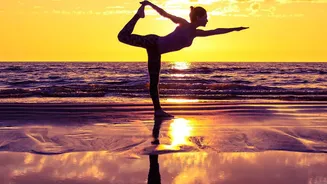
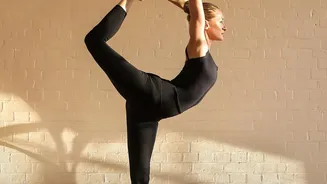
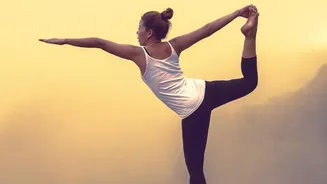
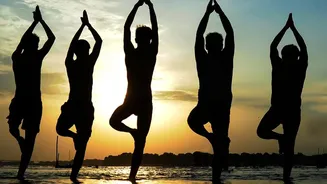
At their core, yoga and dance have fundamentally different approaches. Yoga is an introspective practice that connects mind, body, and breath. It encourages mindfulness, present-moment awareness, and a sense of inner calm. The goal is often to look inward,
reduce stress, and achieve balance. In contrast, dance is largely about outward expression. It’s a rhythmic, energetic release set to music, designed to express emotion and experience joy through movement. While some dance forms can be meditative, the primary focus is often on performance, social connection, and high-energy fun.
Physical Gains: Strength and Flexibility vs. Cardio and Endurance
Your fitness goals should play a big part in your choice. Yoga is renowned for improving flexibility, balance, and posture. By holding poses, you build functional strength, particularly in the core, and can alleviate issues like back pain. While some fast-paced styles like Vinyasa or Ashtanga get your heart rate up, yoga's main physical benefits lie in creating a strong, pliable, and stable body. Dance, on the other hand, is a cardiovascular powerhouse. It's an excellent aerobic workout that strengthens your heart, burns a significant number of calories, and builds endurance. The varied movements also improve coordination, agility, and can help with weight management.
Mental and Emotional Benefits
Both activities are fantastic for mental health, but they deliver their benefits in different ways. Yoga is scientifically recognized for its ability to reduce stress and anxiety. The combination of deep breathing and mindful movement activates the body's relaxation response, helping to lower cortisol levels. It cultivates a sense of peace and mental clarity. Dance provides a powerful mood boost by releasing endorphins, often described as a 'dancer's high'. It serves as a therapeutic outlet for releasing pent-up emotions and has been shown to increase serotonin, which helps regulate mood. The social component of many dance classes also combats loneliness and fosters a sense of community.
The Social Factor: Solitude or Socialising?
Your personality type can be a strong indicator of which activity you'll prefer. If you're an introvert or someone who prefers a quiet, focused environment to decompress, the typical yoga class may be a perfect match. It offers a sense of community without the pressure of constant interaction. Extroverts and people who thrive in high-energy, social settings often gravitate toward dance. Group classes like Zumba or salsa are designed to be interactive and communal, making your workout feel more like a party. This social connection can be a powerful motivator for showing up consistently.
Accessibility and Practicality
Getting started with either practice is relatively easy. For yoga, all you truly need is a mat and some floor space, making it an incredibly accessible home workout. Dance is similarly accessible, as you can do it anywhere with no equipment necessary. However, the best experience for beginners often comes from a class setting. Yoga studios are widespread, offering various styles from gentle Hatha to intense Hot Yoga. Dance options are just as diverse, including high-energy Zumba, structured ballet, or expressive contemporary classes that require no prior experience.