





The Pre-Trip Mechanical Checkup
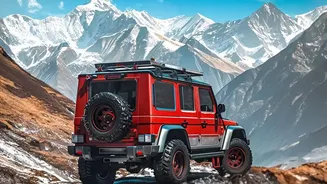
Before you even think about packing, your 4x4 needs a thorough inspection. This isn't your average city check-up. Pay special attention to the braking system; steep descents will test your brake pads and fluid. Have your mechanic inspect the pads for wear
and bleed the brake lines to ensure optimal performance. The engine's cooling system is also critical, as long climbs can cause overheating. Ensure coolant levels are correct, and inspect all hoses for leaks or cracks. Finally, check the entire electrical system, from the battery and alternator to headlights and all auxiliary lights, as you may face low-visibility conditions.
Tires and Traction for Treacherous Terrain
Your tires are the only point of contact with the ground, making them one of the most critical components for this trip. Standard highway tires (HT) are not recommended. A good set of All-Terrain (AT) tires with deep treads is considered a must-have for the grip needed on gravel, mud, and broken tarmac. Before starting, inspect for any damage and ensure the pressure is set according to the manufacturer's recommendation for a fully loaded vehicle. A reliable puncture repair kit and a portable air compressor are non-negotiable essentials. For early or late-season travel, when ice is a possibility, carrying snow chains is a wise precaution.
Combating High-Altitude Effects on Your Vehicle
As you climb higher, the air becomes thinner, affecting both you and your vehicle. An engine can lose approximately 3% of its power for every 1,000 feet of altitude gain. This means your fully-loaded 4x4 will feel noticeably sluggish on high passes like Tanglang La. For modern fuel-injected vehicles, the Engine Control Unit (ECU) will automatically adjust the fuel-air mixture, but a loss of power is still inevitable. For older carbureted vehicles, a mechanic may need to adjust the carburetor for leaner fuel delivery to prevent it from running too rich. Also, factor in lower fuel efficiency; carry extra fuel in approved jerry cans, as petrol pumps are sparse after Keylong.
Gearing Up for Mud Slips and Water Crossings
The Manali-Leh route is infamous for its 'nalas' or water crossings, which can swell from glacial melt in the afternoons, and for mud slips, especially during monsoon season. Having the right recovery gear is crucial. A sturdy tow strap, shackles, and a shovel are the bare minimum. A winch provides the best self-recovery option, but requires proper knowledge to use safely. It is also highly recommended to carry traction boards, which can be placed under the tires to gain grip in deep mud or slush. When encountering a slushy patch, it is advisable to inspect it on foot first, maintain steady momentum in a low gear, and avoid spinning the wheels.
Essential Spares and Fluids
On a route where the nearest mechanic could be hours or even a day away, being self-sufficient is key. Pack a comprehensive toolkit and a set of essential spares. This should include extra engine oil, coolant, and brake fluid. Also carry spare belts (alternator and fan), important fuses, and a spare tire that is in good condition. A headlamp or a powerful flashlight is invaluable for any nighttime repairs. Remember, what seems like a minor issue in the city can become a trip-ending problem in the remote Himalayas. Preparation is your best insurance policy.
Driver and Passenger Safety: Acclimatization is Key
Your vehicle isn't the only thing that needs preparation. Acute Mountain Sickness (AMS) is a serious risk on this route due to rapid altitude gain. The journey is best completed over three days to allow for proper acclimatization, with an overnight halt at a moderate altitude like Jispa (around 3,200 metres). Avoid staying overnight at Sarchu (4,290 metres) if possible, as many travellers experience AMS symptoms there. Drink plenty of water (3-4 litres daily), avoid alcohol, and carry a basic first-aid kit with medication for headaches and nausea. An oximeter to monitor blood oxygen levels can also be very useful.