

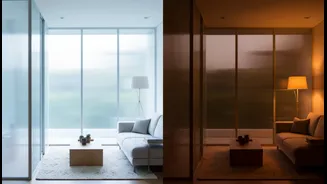


The Foundation: Layering Your Light
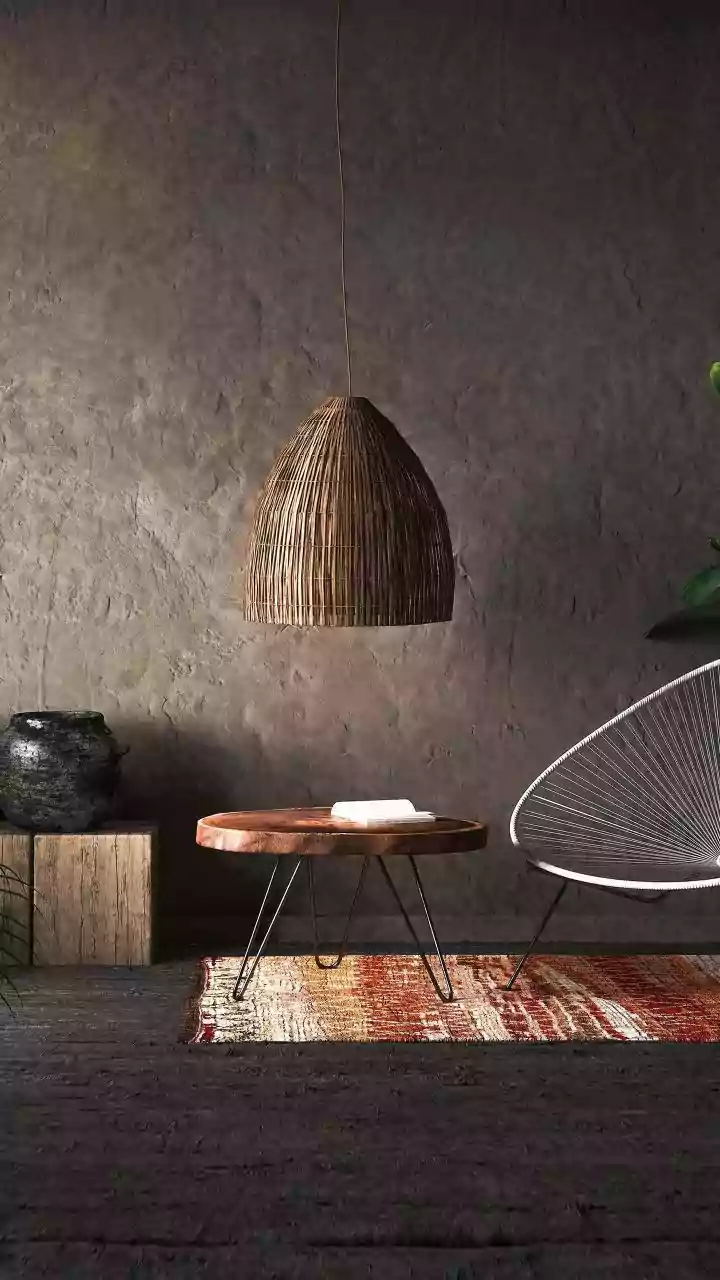
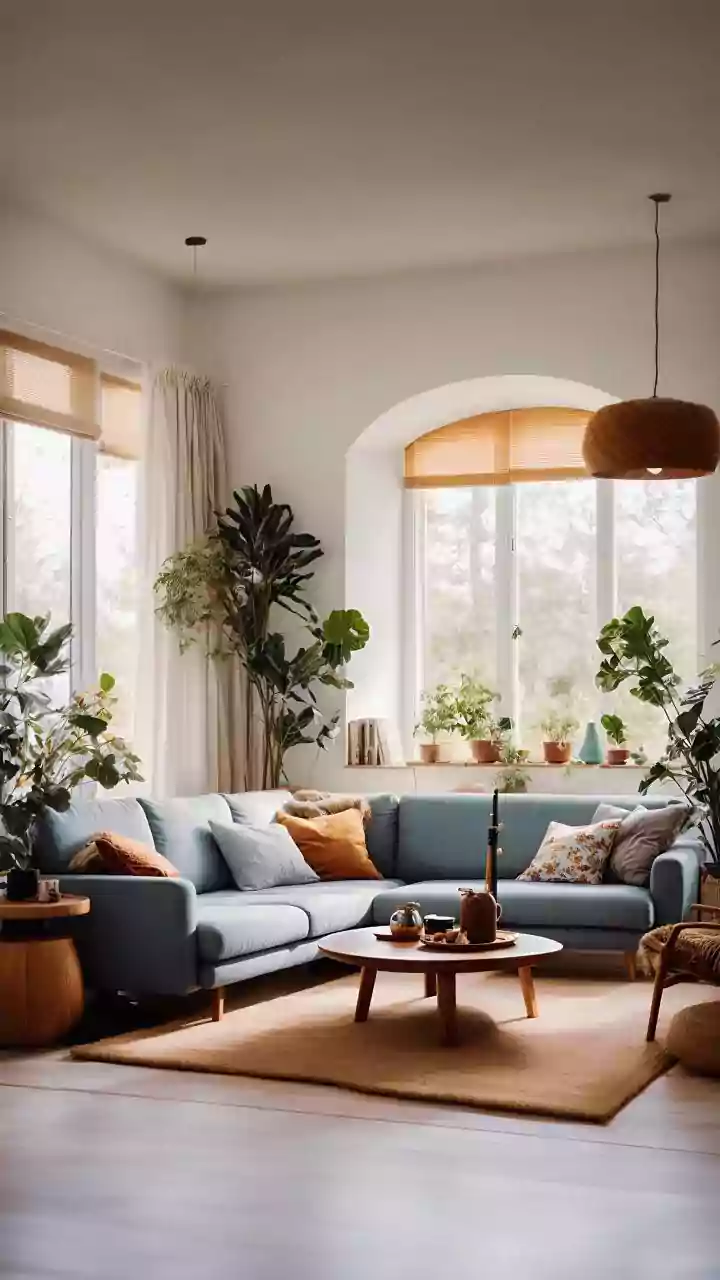
The most common mistake in home lighting is relying on a single, bright overhead fixture. This often creates a flat, clinical feel with harsh shadows and glare. Professional designers think in layers, and it’s a simple concept you can apply too. A well-lit
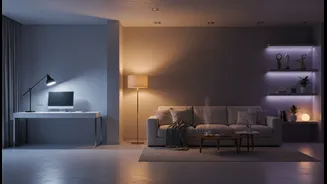
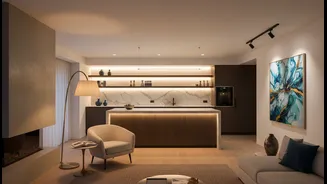
room combines three distinct types of lighting. Ambient light provides the room's general, overall illumination. Task lighting is focused light for specific activities like reading or cooking. Accent lighting adds drama and visual interest by highlighting features like artwork or architecture. By combining these three layers, you create a space that is flexible, functional, and full of depth and character.
Start with Ambient Light
Ambient light is the base layer that makes a room usable and comfortable. It's the soft, general glow that fills the space. Sources for ambient light include ceiling-mounted fixtures like chandeliers or flush-mounts, recessed downlights, and wall sconces that cast light upwards or outwards. The goal is to provide a uniform level of brightness without being overpowering. A key tool here is the dimmer switch. Installing dimmers on your primary light sources gives you complete control over the atmosphere, allowing you to brighten the room for a gathering or dim it for a relaxing evening. This adaptability is crucial for making a room feel inviting at any time of day.
Focus with Task Lighting
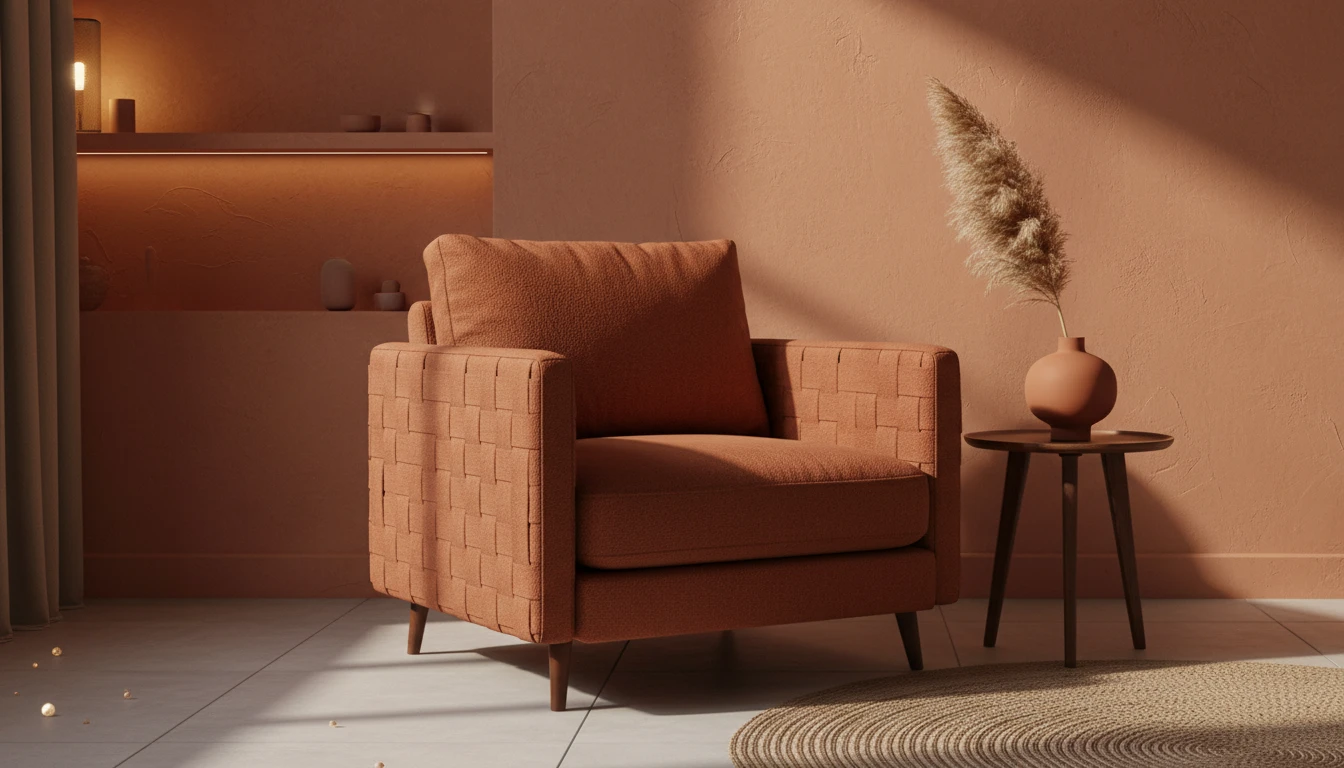
Once you have your general illumination, think about the activities that happen in the room. This is where task lighting comes in. It’s direct, focused light aimed at a specific area where you need it most. Think of under-cabinet lighting in the kitchen illuminating your countertops for food prep, a reading lamp by your favorite armchair, or a desk lamp in your home office. Good task lighting reduces eye strain and makes activities safer and more enjoyable. The key is to position the light source so it illuminates the task without creating shadows or shining directly into your eyes.
Add Drama with Accent Lighting
This is the final, finishing layer that makes a room feel truly designed. Accent lighting is used to create focal points and highlight the things you love, such as a piece of art, a textured wall, or a beautiful plant. It adds depth and dimension to a room, preventing it from feeling one-dimensional. Effective accent lighting should be about three times brighter than the surrounding ambient light to draw the eye. This can be achieved with track lighting, picture lights, spotlights, or even strategically placed uplights on the floor. By guiding the eye, accent lighting makes a space more visually engaging.
Beating Harsh Glare
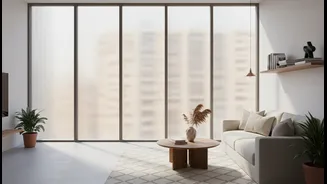
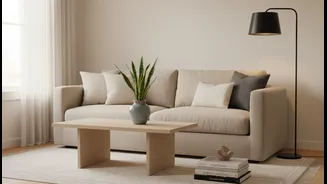
Glare is the enemy of comfortable lighting. It occurs when a light source is too bright or poorly positioned, causing visual discomfort and eye strain. One of the best ways to combat glare is to use fixtures that diffuse or shield the light source. Think lampshades, frosted glass covers, or fixtures that direct light upwards to bounce off the ceiling (indirect lighting). The placement of your lights is also critical. Avoid positioning bright lights directly in your line of sight or where they will reflect off shiny surfaces like TV screens or glossy tables. Using multiple, lower-brightness light sources is almost always better than one extremely bright one.
Choosing the Right Bulb
The fixture is only half the story; the bulb itself matters immensely. Today's LED bulbs offer incredible variety. Pay attention to two key metrics: lumens and Kelvin (K). Lumens measure brightness—more lumens mean more light. Instead of one high-lumen bulb, use several with moderate lumens for a layered effect. Kelvin measures color temperature, from warm to cool. Lower numbers, like 2700K-3000K, produce a cozy, warm, yellowish light ideal for living rooms and bedrooms. Higher numbers, around 4000K-5000K, give off a cooler, bluish-white light that is better for task-oriented spaces like kitchens and home offices. Choosing the right color temperature is crucial for setting the desired mood in each room.