







The Lure of Off-Season Fares
Let's start with the big incentive: the price. The monsoon, typically running from June to September, is considered a lean or shoulder season for domestic tourism in many parts of India. Airlines and travel companies respond to this dip in demand with attractive
sales and discounts to keep seats filled. For budget-conscious travellers, this is the golden window to book trips that might seem too expensive during peak season. A flight that costs a premium in December might be available for a fraction of the price in July or August. Airlines often launch specific 'Monsoon Sale' events, slashing fares on routes across their network, making it an ideal time for flexible travellers to explore.
The Reality of Rain: Delays and Turbulence
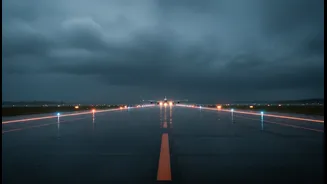
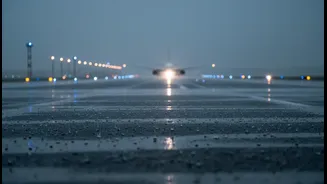
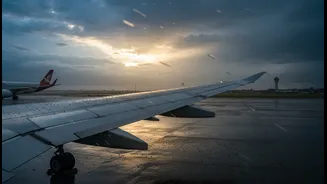
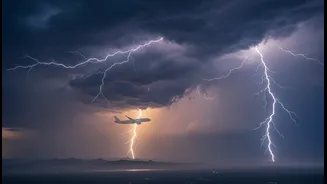
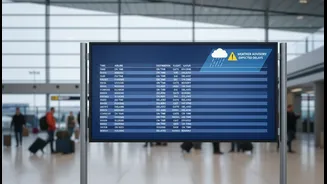
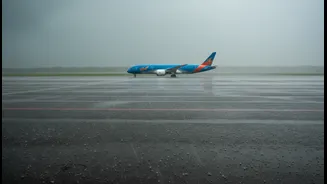
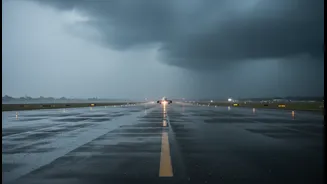
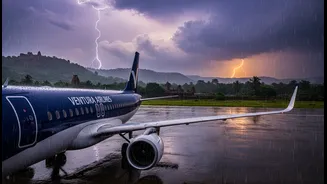
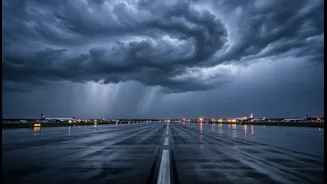
Now for the trade-off. Monsoon weather is, by its nature, unpredictable. Heavy rain, thunderstorms, and strong gusty winds can lead to a host of operational challenges for airlines. The most common issues passengers face are flight delays, diversions, and, in some cases, cancellations. Airports, particularly coastal ones like Mumbai, are prone to disruptions from waterlogging or low visibility, which can cause temporary runway closures and create a cascading effect of delays across the country. Turbulence also tends to be more frequent due to convective weather systems. While unsettling for some passengers, it's a normal part of flying, and pilots are highly trained to manage it.
But Is It Safe to Fly?
This is the most critical question, and the answer is a resounding yes. Aviation safety is paramount, and India's Directorate General of Civil Aviation (DGCA) issues stringent guidelines for monsoon operations every year. Airlines and pilots adhere to strict protocols that prioritize safety above all else. This includes detailed pre-flight weather analysis, carrying extra fuel for potential diversions, and maintaining a safe distance from storm cells. Pilots are trained in simulators for adverse weather scenarios, and aircraft are equipped with sophisticated weather radar to navigate around turbulent systems. A delay or cancellation might be inconvenient, but it is always a decision made in the interest of safety.
Your Monsoon Flight Survival Guide
Flying during the monsoon is perfectly manageable with a bit of smart planning. Here are some tips to ensure a smoother journey:
Book Morning Flights: Thunderstorms and heavy rain often build up in the afternoon. Early morning departures (before 10 AM) are less likely to be affected by weather and cascading delays from earlier in the day.
Build in a Buffer: Avoid scheduling tight connections or important meetings right after you land. Arriving a day early for crucial events is a wise strategy during this season.
Choose Direct Flights: This eliminates the risk of a delay on your first leg causing you to miss your connecting flight, a common issue during monsoon travel.
Pack Smart: Keep essentials like a change of clothes, medications, and a power bank in your carry-on luggage. In case of a long delay or diversion, you'll be glad you did.
Stay Informed: Download your airline's app for real-time flight status updates. Check the weather forecast for both your departure and arrival cities before you leave for the airport.
Consider Travel Insurance: Look for a policy that specifically covers delays and cancellations due to weather.
What the Airlines and Airports Are Doing
Airlines and airport operators undertake extensive preparations for the monsoon. This includes proactive maintenance checks on aircraft systems like rain protection, brakes, and navigation equipment. They also conduct pragmatic reviews of critical spare parts to ensure availability and minimize downtime. On the ground, airports focus on ensuring runway friction is adequate, drainage systems are clear to prevent waterlogging, and all runway and approach lighting systems are fully functional for low-visibility conditions. Crew rostering is also managed carefully, with some airlines positioning extra crew at airports to reduce delays caused by city traffic snarls due to rain. These behind-the-scenes efforts are crucial for maintaining a high level of safety and operational continuity.