







From Fields to Fortunes
The most direct impact of the monsoon is on agriculture, the lifeblood for nearly half of India's population. The Kharif or summer cropping season, which includes vital crops like rice, cotton, and soybeans, is almost entirely dependent on the southwest
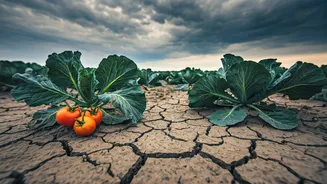
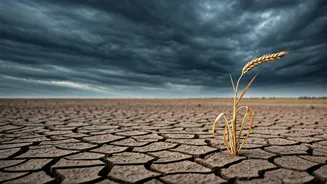
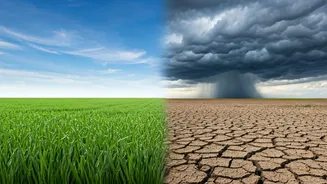
monsoon that delivers about 70% of the country's annual rainfall. A timely and well-distributed monsoon leads to bumper harvests, which boosts rural incomes. This increased purchasing power in the countryside doesn't stay there; it fuels demand for a wide range of goods and services. Companies selling everything from fast-moving consumer goods (FMCG) and two-wheelers to tractors and gold see a significant uptick in sales. Conversely, a weak or erratic monsoon can devastate crop yields, depress rural wages, and shrink demand, sending a chilling effect through these key sectors. For 2026, initial forecasts have pointed towards a below-normal monsoon due to El Niño conditions, immediately raising concerns about sowing delays and agricultural output.
Dalal Street's Rain Gauge
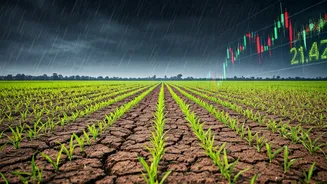
Investors on the stock market watch monsoon forecasts as closely as they track corporate earnings. Market sentiment often sways with the expectation of rainfall because of its direct link to corporate profitability and economic stability. A forecast for a good monsoon can trigger a rally in sectors that are direct beneficiaries of a healthy rural economy. Stocks of fertilizer and agrochemical companies, tractor and two-wheeler manufacturers, and FMCG businesses often surge in anticipation of strong rural demand. Banking and microfinance institutions also benefit, as better farm incomes lead to improved loan repayments and lower non-performing assets (NPAs). Conversely, the threat of a weak monsoon can create uncertainty and lead to sell-offs in these same sectors. While the overall market's correlation with the monsoon has weakened as the economy diversifies, for these specific rural-focused sectors, the rhythm of the rains remains a powerful driver of performance.
The Nation's Balance Sheet
The performance of the monsoon also has significant implications for the government's budget and fiscal health. A good monsoon and robust agricultural sector can reduce the need for government intervention. However, a widespread drought or deficient rainfall puts immense pressure on the national exchequer. The government may be forced to roll out expensive relief packages, waive farm loans, or increase subsidies for inputs like fertilizers to support struggling farmers. This unplanned expenditure can strain the fiscal deficit, which is the gap between the government's total revenue and total expenditure. For instance, a poor monsoon could increase the fertilizer subsidy bill by thousands of crores. In 2026, the government is already preparing contingency plans for hundreds of districts identified as vulnerable to below-normal rainfall, a necessary measure that highlights the fiscal risks associated with monsoon failure.