





The Vibe: Sprawling Nature vs. Colonial Charm
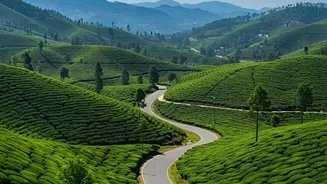
The fundamental difference between Munnar and Ooty lies in their atmosphere. Munnar, in Kerala, is an expansive, rolling landscape of tea plantations. The experience is less about a single town and more about being immersed in seemingly endless valleys
of green. It’s a place where you drive for 30-60 minutes between sights, soaking in the vastness of nature. It is often considered the go-to for a romantic or honeymoon trip due to its peaceful, scenic beauty. Ooty (Udhagamandalam) in Tamil Nadu, on the other hand, is the quintessential 'Queen of the Hills'. It feels more like a structured town with a distinct colonial past, evident in its architecture and heritage sites. It's a more traditional hill station experience, often preferred by families who appreciate its variety of gardens, a famous lake, and more centralized attractions.
November Weather: Post-Monsoon Bliss
November is an excellent month to visit either destination, as it falls right after the heavy monsoon season. In Munnar, this means the landscape is incredibly lush and waterfalls are still robust. The weather is generally clear and cool, with temperatures hovering between a pleasant 12°C and 20°C, making it ideal for sightseeing and outdoor activities like trekking. Ooty in November also offers agreeable weather with minimal rainfall. Temperatures are slightly cooler than Munnar's, with averages ranging from 12°C to 19°C. While the main monsoon has passed, the northeast monsoon can sometimes bring showers to the Nilgiris in November, so it's wise to check forecasts. However, the air is generally crisp with clear skies, perfect for enjoying the views.
Key Attractions: Tea Trails or Toy Trains?
Your choice might come down to the 'to-do' list each place offers. Munnar’s identity is tied to its tea. Key activities include walking through tea estates, visiting the KDHP Tea Museum to see the production process, and driving to Top Station for panoramic views. Eravikulam National Park, home to the endangered Nilgiri Tahr, is another major draw. For adventure seekers, there are numerous trekking trails through lush forests. Ooty’s attractions are more varied and contained. The Nilgiri Mountain Railway, a UNESCO World Heritage Site popularly known as the 'Toy Train', is a must-do experience. Other top spots include the Government Botanical Gardens, Ooty Lake for boating, and the Rose Garden. These well-maintained sites make Ooty particularly suitable for family outings and senior citizens.
Accessibility: Getting There
Reaching both destinations requires some road travel. For Munnar, the nearest airport is Cochin International Airport (COK), about 110 km away, a journey of 3-4 hours by car. The closest major railway stations are Aluva and Ernakulam (in Cochin), from where you'll need to hire a taxi or take a bus. Munnar itself is not very walkable, and its attractions are spread out, often requiring a hired car for sightseeing. Ooty is slightly more accessible. The nearest airport is in Coimbatore (CJB), around 88 km away, a 3-hour drive. The closest broad-gauge railway station is Mettupalayam, 40 km away. From Mettupalayam, you can either drive up or take the famous toy train to Ooty, adding a scenic leg to your journey.
Crowds and Costs
November is considered a peak or shoulder season for both locations as the weather is ideal, so expect a moderate to high number of tourists. Prices for accommodation will be higher than in the off-season, and it is advisable to book in advance. While budget breakdowns can vary greatly, the average daily cost for a couple, including accommodation, meals, and basic sightseeing, is broadly similar for both destinations. Some estimates place the daily budget at around ₹6,500, though this depends heavily on your choice of lodging and activities. Munnar’s sprawling nature can sometimes make it feel less crowded than the more concentrated tourist spots in Ooty, especially during weekends.