


The New Festive Mantra: Moderation, Not Deprivation
For generations, festive eating in India has been a maximalist affair, with tables groaning under the weight of ghee-laden sweets, fried snacks, and rich curries. While the love for these delicacies hasn't faded, the approach to eating them is undergoing
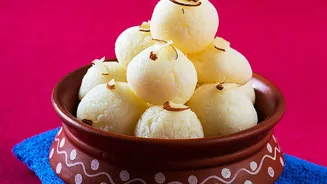
a significant shift. Today, a growing number of Indians are adopting a philosophy of mindful indulgence. Instead of complete avoidance, the focus is on savouring favourite treats in smaller quantities. This trend isn't about giving up laddoos and samosas; it's about enjoying one or two with intention, rather than mindlessly consuming them. Health experts note that this balanced approach, sometimes called the 80:20 rule where 80% of the time is for nutritious eating and 20% is for treats, is a more sustainable way to enjoy festivities without the accompanying guilt.
Why We're Watching Our Portions
Several factors are driving this move towards conscious consumption. The primary driver is a surge in health and wellness awareness across the country. With rising instances of lifestyle-related ailments, many are now more informed about the impact of excessive sugar and fat. This has led to a proactive search for balance. Nutritionists and health coaches have become influential voices, advocating for simple strategies like using smaller plates, starting meals with salads or protein to increase satiety, and staying hydrated to prevent overeating. Furthermore, the stigma of 'dieting' is being replaced by a more positive and holistic concept of long-term well-being, where festive foods can be enjoyed as part of a balanced lifestyle rather than being viewed as a forbidden temptation that derails health goals.
How the Food Industry Is Responding
The food and beverage industry has been quick to notice this evolving consumer mindset. Brands are no longer just marketing abundance; they are also catering to the demand for moderation. One of the most visible changes is the introduction of bite-sized or smaller-portioned sweets and snacks, a trend that over half of food experts see growing. Many companies are also launching 'healthier' versions of traditional favourites, such as baked snacks instead of fried ones, or sweets made with natural sweeteners like jaggery instead of refined sugar. The packaging and marketing messages have also shifted, with an emphasis on 'clean labels', natural ingredients, and the joy of a guilt-free treat. This pivot shows that the industry understands that the modern consumer wants to celebrate tradition without compromising their health.
The Home Kitchen Evolution
This trend extends into home kitchens, where many of the festive delicacies are prepared. There's a growing pride in recreating traditional, regional sweets at home, but with a modern, healthy twist. Families are experimenting with ingredient swaps, such as using whole grains, millets, nuts, and seeds to enhance the nutritional profile of classic recipes. The practice of making sweets at home also allows for direct control over the quantity of sugar and fat used. Simple adjustments, like baking gujiyas instead of deep-frying them or making modaks with jaggery and coconut, are becoming increasingly common. This shows a grassroots movement towards preserving culinary heritage while adapting it to contemporary health values.
A Balanced Plate for a Joyful Celebration
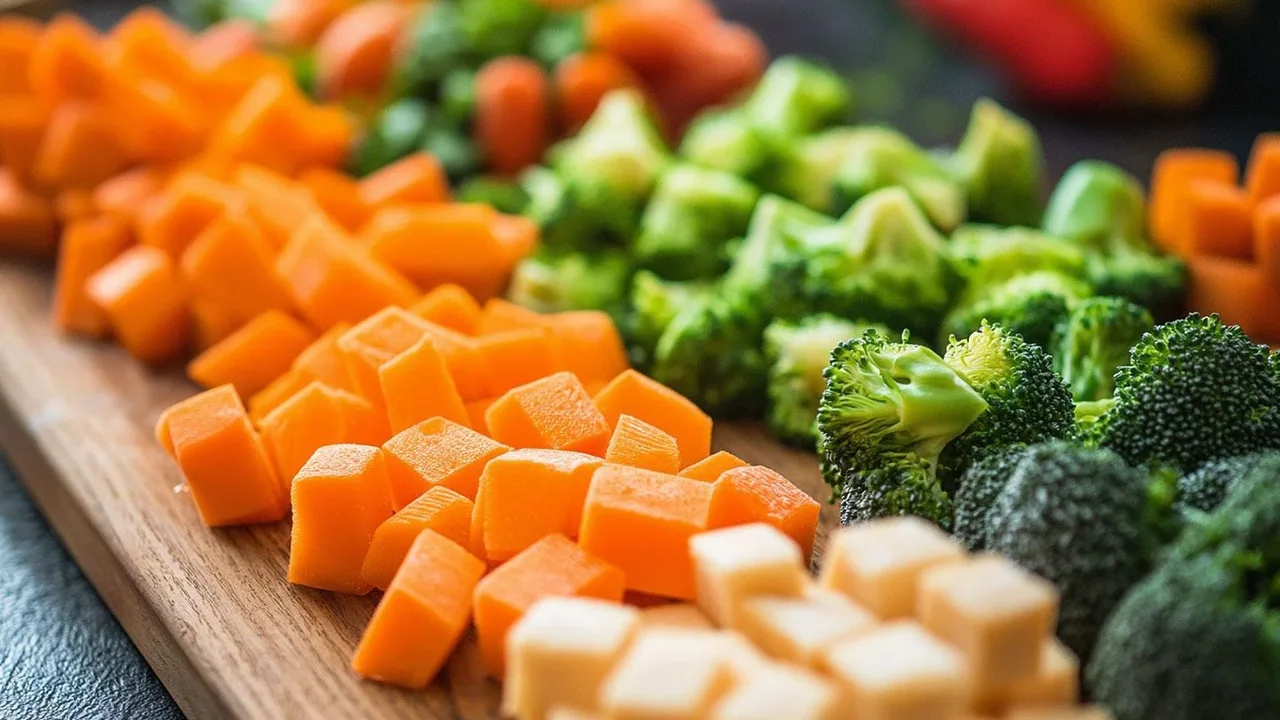
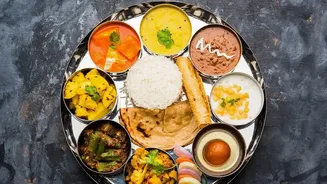
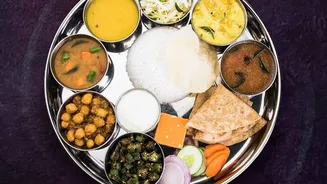
Ultimately, the shift towards portion awareness signifies a maturing relationship with food. The all-or-nothing approach of either feasting with abandon or fasting in guilt is giving way to a more sustainable middle path. Health experts agree that a balanced festive plate is entirely achievable. The 'plate method' is a simple guide: fill half your plate with vegetables or salad, a quarter with protein like dal or paneer, and the final quarter with carbohydrates like rice or roti. Sweets and snacks can then be enjoyed as a deliberate, savoured part of the meal, not the main event. This mindful approach ensures that the festive plate remains a source of joy and connection, aligning tradition with personal well-being.