





What Exactly is a Cash Cushion?
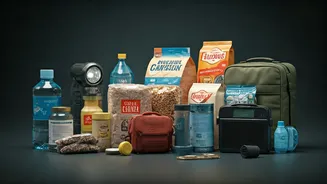
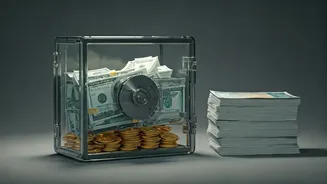
Think of a cash cushion as your personal financial shock absorber. It’s a dedicated fund of money, kept in an easily accessible place, that is purely for covering your most essential living expenses in case of an emergency. This isn't your investment
portfolio or your holiday savings; it's your 'life happens' fund. The goal of this money isn't to grow, but to be there, stable and ready, when you need it most. Common emergencies include a sudden job loss, an unexpected medical bill, or an urgent home repair. Without this cushion, such events can force you into high-interest debt or compel you to sell your long-term investments at the worst possible time.
Why This Cushion is Non-Negotiable
The allure of high returns from volatile assets like direct equity or cryptocurrencies is strong, especially when you see stories of quick profits. However, volatility is a two-way street. These assets can drop in value just as quickly as they rise. Imagine you’ve invested all your spare cash in the stock market and then lose your job. If the market is down, you’d be forced to sell your shares at a significant loss to cover your rent and bills. This is how wealth is destroyed, not built. A cash cushion separates your essential needs from your investment risks. It gives you peace of mind and the staying power to ride out market downturns without panicking, turning a potential financial catastrophe into a manageable inconvenience.
How to Calculate Your Cushion Size
The standard recommendation is to have a cash cushion that covers 3 to 6 months of your essential living expenses. To calculate this, you need to be brutally honest about what is a 'need' versus a 'want'.
1. **List Your Must-Pay Expenses:** Go through your bank statements and list all recurring, non-negotiable monthly costs. This includes rent or home loan EMIs, utility bills (electricity, water, gas), groceries, insurance premiums, transportation costs, and any essential medical expenses.
2. **Exclude Discretionary Spending:** Be strict. This calculation should not include money spent on dining out, entertainment, shopping for non-essentials, or subscriptions you could cancel in a pinch.
3. **Calculate the Total:** Add up your essential monthly expenses. This is your one-month survival number. Multiply this figure by three for a basic cushion, or by six for a more robust one. If you have an unstable income or dependents, aiming for six months is a smarter move.
Where to Park Your Emergency Fund
The two most important features of a cash cushion are safety and liquidity. You need to be able to access the money quickly without worrying about its value dropping. This means the stock market is the worst place for it. Instead, consider these options:
* **High-Yield Savings Account:** Many banks offer savings accounts with slightly better interest rates than standard ones. This is the simplest and most accessible option.
* **Liquid Mutual Funds:** These are debt mutual funds that invest in very short-term market instruments. They offer high liquidity (you can typically get your money in one business day) and are considered relatively low-risk.
* **Short-Term Fixed Deposits (FDs):** You can break up your cushion into a few FDs with different maturity dates (a strategy called 'laddering'). This earns a bit more interest than a savings account, but be aware of penalties for premature withdrawal.
Now You're Ready for Volatility
Once your cash cushion is fully funded and sitting safely in a liquid account, you have earned the right to take on more risk. 'Volatile investing' refers to assets whose prices can swing dramatically over short periods. This primarily includes individual stocks, equity mutual funds, and digital assets like cryptocurrencies. With your emergency fund secure, you can now approach these investments with a long-term mindset. You won't be tempted to sell in a panic during a market dip because your day-to-day survival isn't tied to your portfolio's performance. This discipline is what separates successful investors from gamblers.