




The Enduring Power of Simplicity
In a world buzzing with superfoods from faraway lands and intricate diet plans, it’s easy to overlook the wisdom that has been sitting on our dining tables for generations. The most enduring Indian food traditions are often the simplest. They are not
about elaborate recipes or expensive ingredients, but about a deep, intuitive understanding of what the body needs. Two perfect examples of this are the humble glass of buttermilk, or chaas, and the practice of eating fruits according to the season. These traditions are more than just habits; they are a sophisticated, time-tested system of wellness that feels more relevant today than ever before.
Buttermilk: The Everyday Nectar
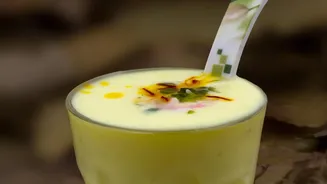
In many Indian households, a meal isn't truly complete without a glass of buttermilk. Known as chaas, moru, or mattha depending on the region, this cooling drink is a cornerstone of daily nutrition. Traditionally served after a meal, its primary role is to aid digestion. The probiotics, or healthy bacteria, in buttermilk support gut health, helping to break down food, prevent bloating, and reduce acidity. This is especially beneficial after a rich or spicy Indian meal, as the drink soothes the stomach lining and promotes a feeling of lightness. Spices like roasted cumin powder, ginger, and black salt are often added, which not only enhance the flavour but also boost its digestive properties. Ayurveda, the ancient Indian science of life, regards buttermilk as a highly beneficial food, often recommending it to strengthen digestive fire (agni) and balance the body.
More Than a Digestive Aid
The appeal of buttermilk extends far beyond digestion. On a sweltering summer day, a chilled glass of chaas is a natural coolant that hydrates the body and replenishes electrolytes lost through sweat. It's a low-calorie, nutrient-dense drink, providing calcium, vitamin B12, and potassium without the heaviness of sugary sodas or even plain milk. But its significance is also cultural. Offering a guest a glass of buttermilk is a gesture of hospitality deeply ingrained in Indian culture. It represents nourishment, care, and a connection to an agrarian past where nothing was wasted. The liquid left over after churning butter from curd was transformed into a life-giving drink, a principle of sustainability that modern food systems are only now beginning to appreciate.
The Simple Wisdom of Seasonal Fruit
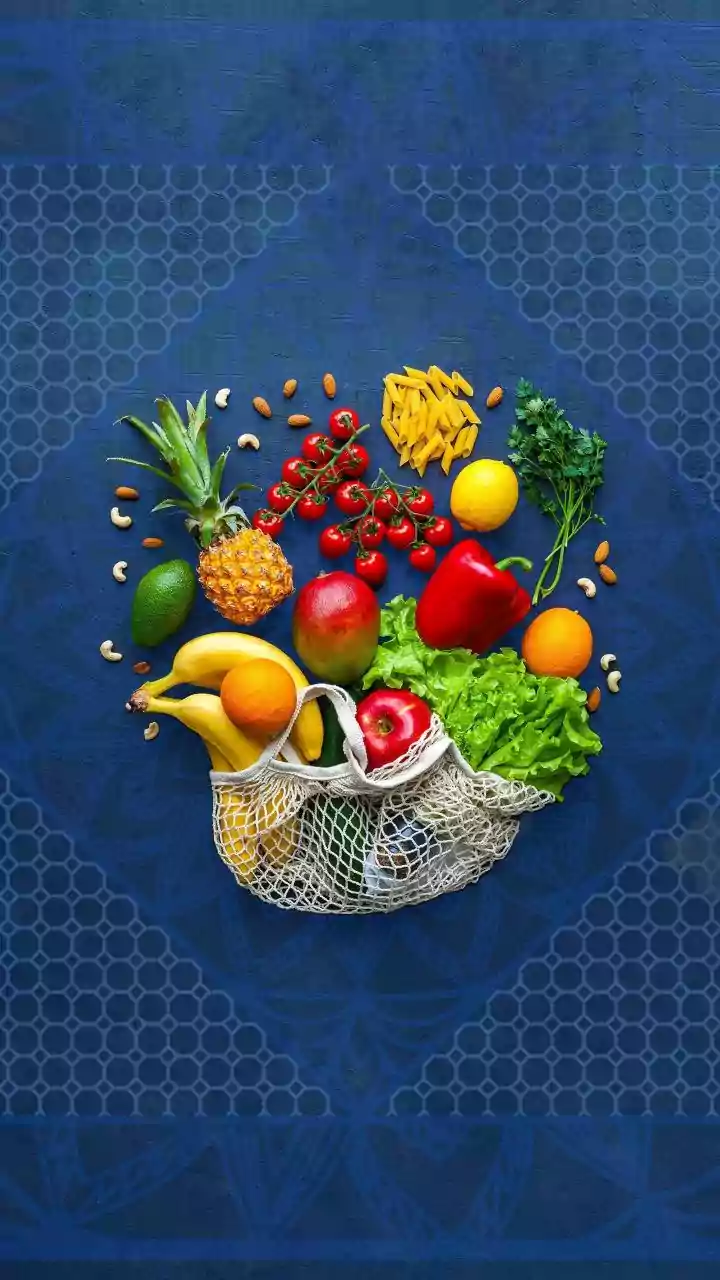
Alongside buttermilk, the tradition of eating seasonal fruits is another pillar of Indian food wisdom. For centuries, before global supply chains made every fruit available year-round, diets were naturally aligned with agricultural cycles. Mangoes and watermelons in the summer, jamun in the monsoon, and oranges and guavas in the winter were not just culinary choices but a response to nature's rhythm. This practice, known in Ayurveda as Ritucharya, is based on the idea that nature provides what the body needs in each season. Summer fruits are typically hydrating and cooling, while winter fruits are often rich in Vitamin C to bolster immunity against seasonal illnesses.
A Return to Our Roots
Eating seasonally ensures that fruits are consumed at their peak nutritional value, when they are freshest and most flavourful. Off-season produce is often harvested early and transported long distances, losing nutrients along the way. Furthermore, eating a variety of fruits as the seasons change introduces a wider range of vitamins, minerals, and antioxidants into our diet, which supports a diverse and healthy gut microbiome. In an age of processed foods and monotonous diets, returning to the practice of eating seasonal fruits is a quiet act of reconnecting with nature and our own bodies. It supports local farmers, reduces the environmental footprint associated with cold storage and long-distance transport, and revives a more intuitive way of eating.