






Hydrate Intelligently
Proper hydration is the foundation of a happy gut. Water is essential for digesting food, absorbing nutrients, and preventing constipation, which is a major cause of bloating. Aim to drink plenty of fluids throughout the day. While plain water is best,
herbal teas like ginger, peppermint, or fennel can also aid digestion and soothe the stomach. Ayurvedic wisdom suggests sipping warm water throughout the day to help flush toxins and keep your digestive system active. It’s also wise to reduce caffeinated and fizzy drinks, as they can sometimes increase stomach acid or cause gas.
Embrace Probiotics and Prebiotics
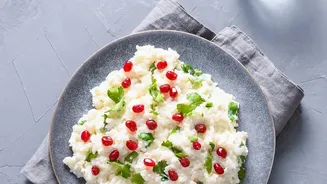
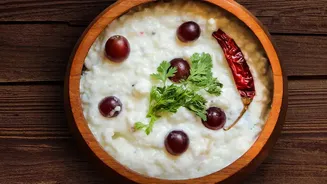
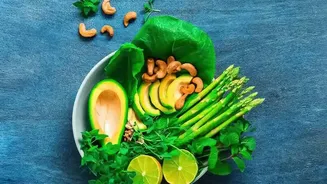
Think of your gut as a garden. Probiotics are the 'good' bacteria that help it flourish, while prebiotics are the 'fertilizer' that feeds them. Incorporating both is crucial for a balanced gut microbiome. Probiotic-rich foods include yogurt (dahi), kefir, and fermented foods like kimchi. For prebiotics, turn to high-fibre foods like garlic, onions, leeks, bananas, and asparagus. These foods work together to support healthy digestion, reduce inflammation, and may ease symptoms like gas and bloating.
Fill Up on Fibre
Fibre is a digestive superstar. It adds bulk to your stool, promoting regular bowel movements and preventing the sluggish feeling that leads to bloating. Focus on incorporating a variety of high-fibre foods into your pre-festive meals. Good sources include whole grains like oats and brown rice, legumes, fruits such as apples and berries, and a wide array of vegetables, especially leafy greens and broccoli. However, if you're not used to a high-fibre diet, increase your intake gradually to give your system time to adjust.
Reduce Processed Foods, Sugar, and Salt
In the days leading up to the festivities, try to minimise your intake of heavily processed foods, refined sugars, and excessive salt. These foods can promote inflammation and disrupt the delicate balance of your gut bacteria. Sugary treats can feed 'bad' gut bacteria, leading to gas, while high-sodium foods like packaged snacks can cause your body to retain water, making you feel puffy and bloated. Opt for whole, unprocessed foods to give your digestive system a well-deserved rest.
Choose Lean Proteins and Healthy Fats
Heavy, fatty meals can be hard on the digestive system. In your pre-festive reset, focus on lean protein sources like chicken, fish, and plant-based options like lentils and beans. These are generally easier to digest and less likely to cause discomfort. Healthy fats found in avocados, nuts, seeds, and olive oil are also beneficial, as they can help reduce inflammation and support overall gut health. Pairing lean proteins with non-starchy vegetables makes for a balanced, gut-friendly meal.
Incorporate Anti-Inflammatory Spices
Many common kitchen spices have powerful anti-inflammatory and digestive-aiding properties. Ginger is well-known for its ability to soothe the stomach and reduce indigestion. Turmeric, with its active compound curcumin, is a potent anti-inflammatory. Other beneficial spices to include in your cooking are cumin, coriander, fennel, and cinnamon, which can help reduce bloating and support your digestive fire, or 'Agni', as it's known in Ayurveda.
Practice Mindful Eating
How you eat is just as important as what you eat. Rushing through meals can lead to swallowing excess air and poor digestion. Take the time to slow down, chew your food thoroughly, and pay attention to your body's hunger and fullness cues. Ayurvedic principles also recommend eating your largest meal in the middle of the day when your digestive fire is strongest and avoiding late-night meals that can lead to acidity and heaviness. This simple practice can significantly reduce bloating and improve your overall digestive experience.