




Meet the Mighty Papad
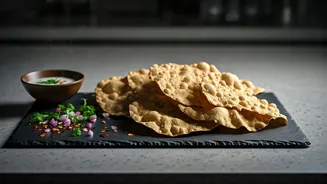
Before it becomes a “high crunch chip,” it starts as a papad (or papadum). Think of it as a super-thin, sun-dried cracker made from lentil, chickpea, black gram, or rice flour. These unleavened discs are a centuries-old staple across the Indian subcontinent,
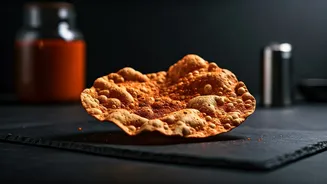
cherished for their long shelf life and versatile nature. Traditionally, they are made by creating a dough, seasoning it with anything from black pepper and cumin to garlic and chili, rolling it impossibly thin, and drying it in the sun. In its raw, uncooked state, a papad is a brittle, translucent wafer. But apply a little heat, and it undergoes a magical transformation, puffing up into a crisp, airy delight.
The ‘Masala’ Distinction
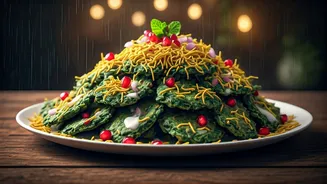
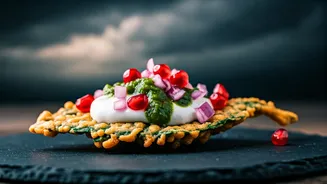
The term “masala papad” traditionally refers to a specific, glorious preparation. It’s not a type of papad you buy, but a dish you create. A plain papad is first cooked—either roasted over an open flame for a smoky flavor, deep-fried for an indulgent crunch, or microwaved for a quick, oil-free fix. Then, while it’s still warm, it’s topped with a fresh, zesty mixture, or “masala.” This typically includes finely chopped onions, tomatoes, cilantro, and sometimes green chilies, all tossed with lime juice, chaat masala, and a pinch of salt. Served as an appetizer or a bar snack, it’s a collision of textures and temperatures: warm, crunchy papad meets a cool, tangy topping.
The Modern ‘Chip’ Makeover
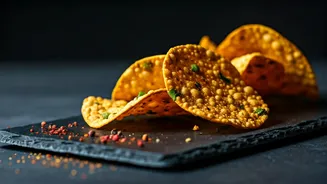
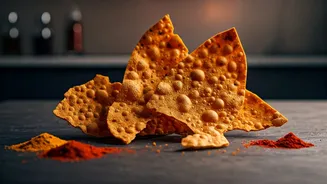
Here’s where the modern, urban-home twist comes in. American foodies and home cooks are deconstructing the classic masala papad and discovering its most fundamental quality: its superior crunch. Instead of treating it as a base for toppings, they’re treating it as the main event—a standalone chip. The thin, brittle texture makes it shatteringly crisp, far more so than the average potato chip. Lentil-based papads also offer a distinct advantage; they’re naturally gluten-free and pack a surprising amount of protein, making them a satisfying and slightly smarter snack. Broken into shards, they become the perfect vessel for dips like hummus or raita, or simply enjoyed on their own as a savory, complex alternative to greasy corn chips.
How to Cook Your Papads
Bringing this crunch into your home is incredibly simple. You have three main options for cooking the raw discs:
- Microwave (Easiest): Place a papad in the microwave and cook on high for 45-60 seconds. It will puff up unevenly and be ready when it’s crisp. It’s the fastest and cleanest method.
- Open Flame (Most Flavorful): Using tongs, hold the papad over a low gas flame. Keep it moving continuously, flipping it every few seconds. It will cook in under 30 seconds, developing beautiful charred spots and a smoky aroma.
- Fry (Most Indulgent): Heat a neutral oil in a shallow pan. Once hot, slide a papad in. It will puff and cook in less than 10 seconds. Quickly remove it with tongs and let it drain on a paper towel. This method yields the richest, most uniform crunch.
Where to Find Them
You won’t find papads in the chip aisle—at least, not yet. Your best bet is to head to a local Indian or South Asian grocery store, where you’ll find an entire section dedicated to them with countless variations in flavor and flour. Brands like Lijjat are ubiquitous and a reliable starting point. If you don’t have a local specialty store, major online retailers like Amazon and dedicated Indian food sites offer a wide selection. Look for plain, black pepper, or cumin (jeera) varieties to start. A package of 50 or more often costs just a few dollars, making this one of the most affordable snack upgrades you can find.