






The Search for Authenticity
There's a growing fatigue with the familiar. For many young Indians, the idea of a vacation is no longer about ticking off a list of famous monuments from a guidebook. Instead, it's about genuine connection and real experiences. They are driven by a desire
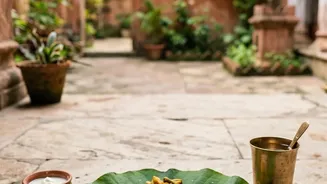
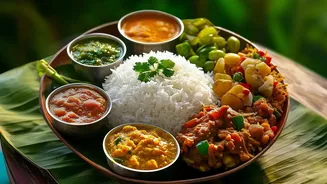
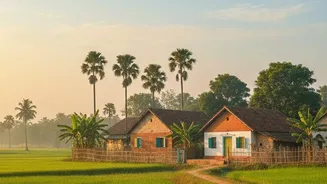
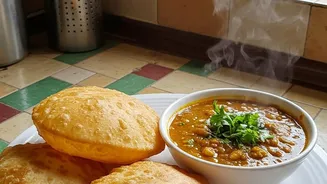
to understand the local culture, taste authentic food, and live, even for a few days, at a slower pace. This is where homestays and local stays win. Unlike the sanitized, uniform experience of a hotel chain, a homestay offers a window into the life of the destination. It's the difference between seeing a place and truly experiencing it, from sharing stories with the host family to discovering a hidden waterfall that isn't on any map.
Value Meets Experience
Affordability is a major factor driving this trend. Homestays often provide comfortable and clean lodging at a fraction of the cost of a traditional hotel. This economic advantage doesn't just make travel more accessible; it changes the nature of travel itself. Lower accommodation costs mean young travellers can afford more frequent or longer trips. Many are opting for multiple short getaways throughout the year instead of one big annual holiday. This model, which includes 'workations' and weekend trips, is perfectly suited to the flexibility and value that homestays provide. It allows for a more spontaneous and sustained exploration of the country.
The Digital Trail
While the destinations may be 'offbeat', the way travellers find them is anything but. Social media platforms and online travel aggregators play a crucial role. A single viral reel can introduce a previously unknown village in Himachal or a quiet beach in Gokarna to millions. However, many young travellers are also becoming 'anti-tourists', consciously looking for places that haven't been overexposed online. Digital platforms like Airbnb have been instrumental, not just for travellers but for hosts as well. A recent report noted a significant surge in Gen Z hosts in India, with a nearly 40% year-on-year expansion in the first half of 2026. This indicates a generation that is not only consuming but also actively participating in and shaping the travel economy.
A Boost for Local Economies
The rise of homestays in offbeat towns is a powerful engine for sustainable, local-level economic growth. When a traveller stays in a homestay, the money spent on accommodation, food, and local activities goes directly into the hands of the community. This creates a steady source of income and generates local employment, from housekeepers and cooks to guides for village walks. This model of tourism helps promote and preserve local culture and heritage, as hosts have a direct incentive to showcase their traditions. It’s a form of development that empowers communities, diversifies rural economies, and ensures that the benefits of tourism are distributed more equitably, rather than being concentrated in major tourist hubs.