






The All-Rounder: Moong Dal Khichdi
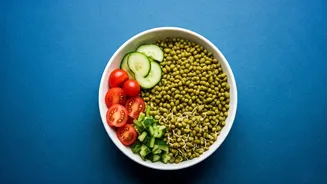
There's a reason khichdi is considered a go-to meal during seasonal changes. A simple preparation of moong dal and rice, this one-pot dish is light, high in protein, and incredibly easy on the stomach. According to Ayurveda, it's one of the most recommended
meals for the monsoon as it's easy to digest when the body's metabolism tends to be sluggish. To enhance its nutritional value, you can add vegetables like carrots and peas, along with a spoonful of ghee and immunity-boosting spices like turmeric and cumin.
Comfort in a Bowl: Warm Soups
Nothing says comfort on a rainy day quite like a warm bowl of soup. Soups are hydrating, warming, and a great way to pack in nutrients from various vegetables. A simple homemade vegetable soup with garlic, ginger, and black pepper can be especially beneficial. Garlic and ginger are known for their antibacterial and antiviral properties, helping your body fight off common monsoon illnesses like colds and flu. Opt for clear soups and broths over creamy ones for easier digestion.
Power-Packed Drinks: Herbal Teas and Kadhas
Swapping your regular tea for herbal infusions can do wonders for your immunity. A simple tea made with ginger and tulsi (holy basil) is a natural immunity booster. Ginger aids digestion, while tulsi is revered for its ability to fight infections. Another popular monsoon beverage is 'Kadha', an Ayurvedic concoction of spices like black pepper, cloves, and cinnamon simmered in water. Adding a dash of turmeric to warm milk, creating 'Haldi Doodh' or golden milk, is another excellent choice for its anti-inflammatory benefits.
Smart Snacking: Steamed and Roasted Options
Monsoon cravings often lead to deep-fried pakoras and samosas, which can be heavy on the digestive system. A healthier approach is to opt for steamed or roasted snacks. Steamed dhokla, made from fermented besan, is light, protein-rich, and easy on the stomach. Another great option is roasted corn on the cob (bhutta), a classic monsoon street food that can be easily and safely made at home. Simply roast the corn on a gas flame and season with salt, lemon, and chaat masala for a delicious and healthy snack.
Seasonal Vegetables: Go for Gourds
Ayurveda recommends eating seasonal vegetables that are easy to digest, such as lauki (bottle gourd), turai (ridge gourd), and karela (bitter gourd). These vegetables are rich in essential nutrients and have a high water content, which helps keep you hydrated. Bitter gourd, in particular, is known for its immunity-boosting properties. It's best to consume these vegetables in cooked forms like stews, soups, or simple stir-fries, and avoid raw salads, which can be harder to digest and carry a higher risk of contamination during this season.
Gut Health Guardians: Probiotic-Rich Foods
A healthy gut is the foundation of a strong immune system. Including probiotic-rich foods like homemade curd (yogurt) and buttermilk in your diet can promote the growth of beneficial gut bacteria. Curd is cooling for the body and aids digestion. It's best to have it during the day, for instance, with your lunch. A simple curd rice, tempered with mustard seeds and curry leaves, can be a light and soothing meal perfect for a humid monsoon afternoon.