



The Classic Story of Stardom
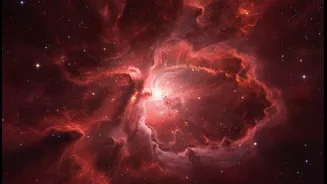
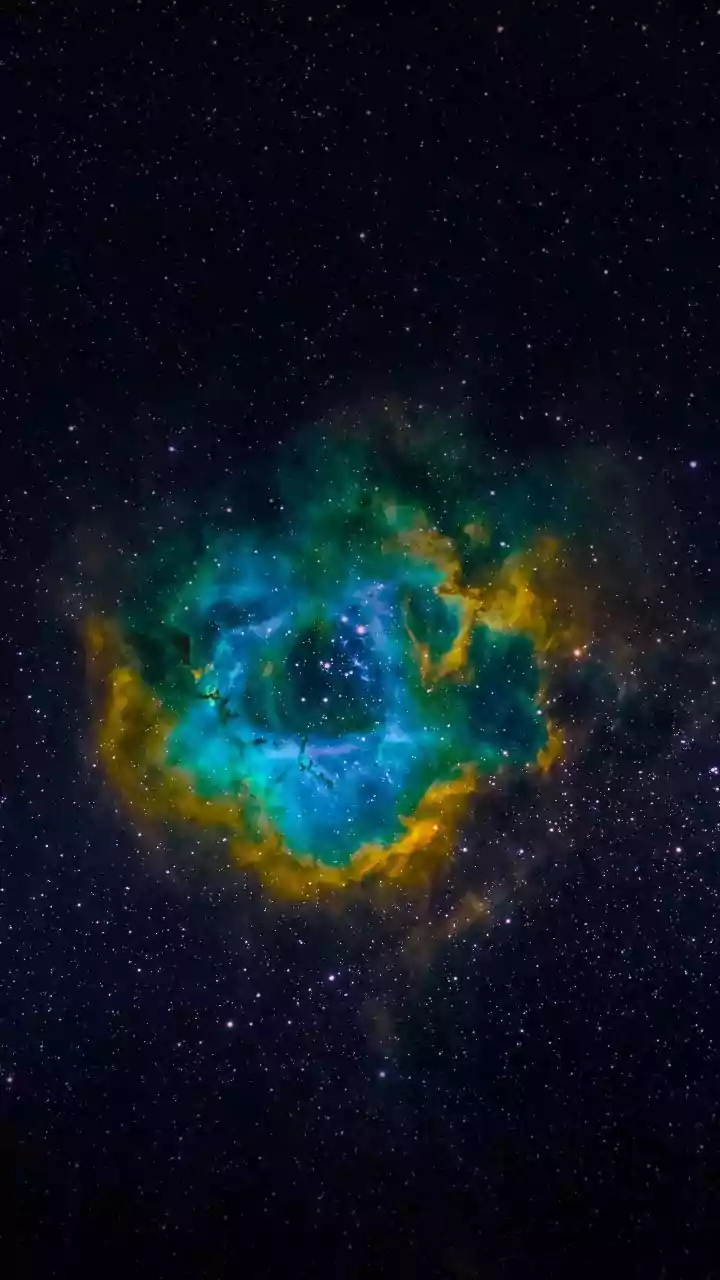
The traditional picture of star formation has been one of serene, slow-motion majesty. For decades, the textbook model described vast, cold clouds of gas and dust in space that, over millions of years, would gradually collapse under their own gravity.
Like water circling a drain, this material would slowly spiral inwards, forming a dense, hot core called a protostar. This process was thought to be a steady, almost patient accumulation of mass until the core became hot and dense enough to ignite nuclear fusion, the moment a protostar officially becomes a star. This narrative was neat, made sense, and fit the available observations for a long time. It painted a picture of cosmic creation as a predictable and stately affair.
A More Chaotic Reality
Recent discoveries, however, have flipped this script. It turns out that star formation isn't a slow, steady meal; it's often a series of dramatic, violent feasts. Astronomers now have evidence that protostars grow through what is called "episodic accretion". Instead of a constant trickle of gas, the infant star experiences sudden, massive bursts of growth, binge-eating huge amounts of material from the surrounding disk in a relatively short time. These bursts can make the protostar flare up to be hundreds of times brighter, before settling back down. This suggests that the birth of a star is not a gentle process, but a convulsive and dynamic one, marked by fits and starts of intense activity.
Enter The Webb Telescope
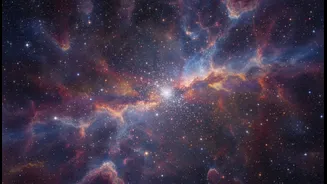
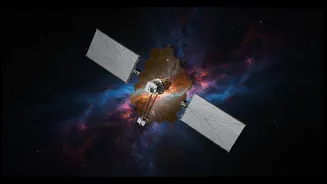
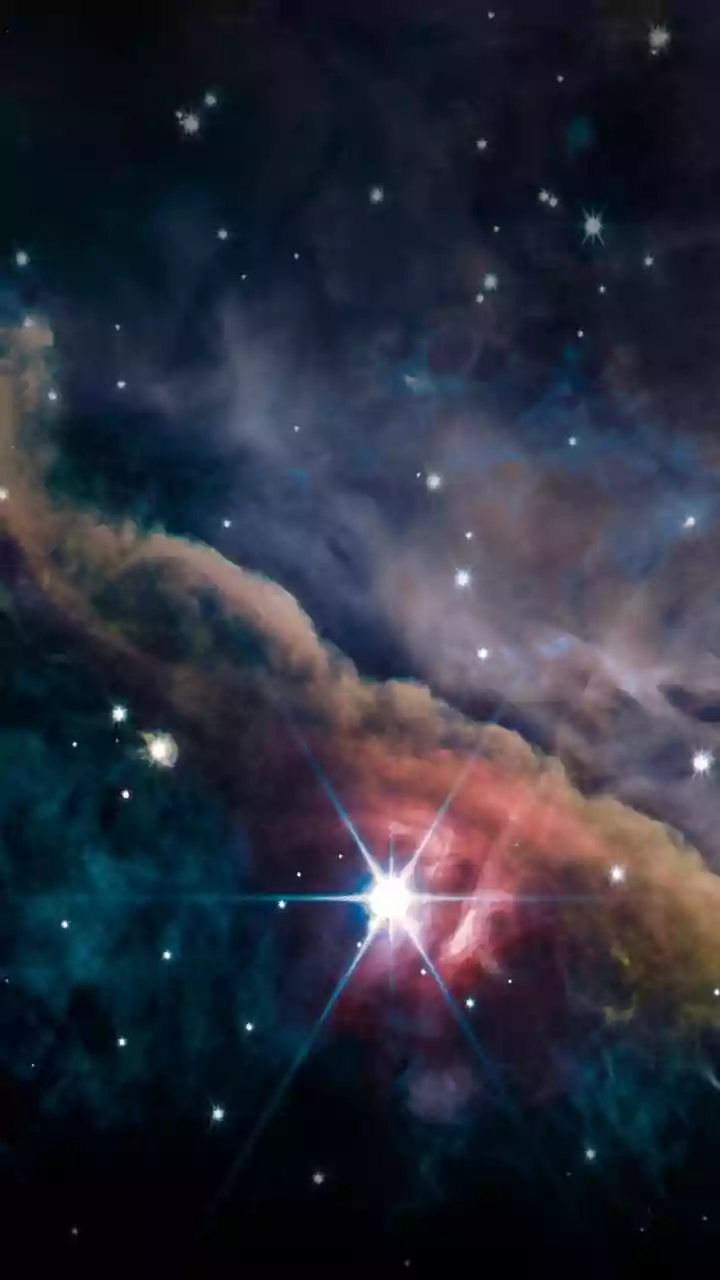
So, what changed? In a word: Webb. The James Webb Space Telescope (JWST) is the game-changer behind this new understanding. Where previous telescopes like Hubble gave us spectacular visible-light images, they couldn't see through the dense dust clouds where stars are born. JWST, however, is designed to see the universe in infrared light, which can pierce through these dusty stellar nurseries. This has allowed astronomers to witness the star formation process with unprecedented clarity. They can now see the protostars themselves, the powerful jets of material they blast out, and the way they interact with their surroundings in stunning detail, confirming theories and uncovering phenomena we could only guess at before.
Violent Bursts and Cosmic Highways
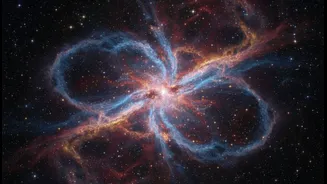
One of JWST's most spectacular revelations is how these accretion bursts reshape entire star systems. When a protostar has one of its feeding frenzies, it doesn't just get bigger; it also blasts out powerful jets and outflows of material from its poles. Recent observations of protostar EC 53 showed that these outflows act like cosmic highways, ferrying newly formed crystalline materials—which require intense heat to form near the star—to the cold, outer regions of the system. This discovery helps solve a long-standing mystery of why comets in our own outer solar system contain such crystals. It seems the chaotic, burping process of a young star is essential for distributing the building blocks of planets and comets throughout a new solar system.
Why This Changes Everything
This new “bursting” model of star formation has massive implications. For one, it could mean that stars and galaxies form much faster than previously thought. Studies of the early universe with JWST have found surprisingly mature galaxies crackling with bursts of star formation. This diversity and maturity was unexpected in the old models but makes more sense if stars can form in rapid, episodic events. Furthermore, understanding this process helps us refine the search for life. The chaotic birth of a star and the distribution of materials it causes directly shapes the composition of the planets that will eventually form around it, including potential Earth-like worlds.