







The Dream of Automated Dinners
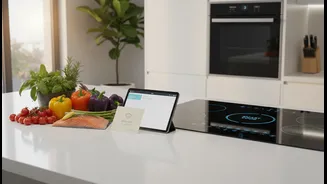
First, let's clarify what 'assisted cooking' means. It’s the wave of smart kitchen appliances—Wi-Fi connected ovens, cooktops, and all-in-one machines—designed to take the guesswork out of your meals. Brands like June, Breville, and platforms like Chef
iQ offer guided cooking where the appliance adjusts time and temperature based on the recipe you select. Some ovens have internal cameras to identify food, while others sync with apps that walk you through complex dishes step-by-step. The marketing sells a vision of ultimate convenience: preheat the oven on your way home, get alerts on your phone, and let the machine handle the hard parts so you can enjoy a glass of wine while dinner practically makes itself. It’s a compelling fantasy for any busy household.
When Impulse Meets Algorithm
Here’s where the dream meets a logistical snag. You get home late, raid the fridge, and decide to throw a couple of chicken thighs and some wilting broccoli into your smart oven. You expect a miracle, but the appliance has questions. What program do you want to run? Does it match the ingredients you actually have? Assisted cooking systems are not magicians; they are precision instruments. They operate based on specific inputs—a certain weight of salmon, potatoes diced to a particular size, a pre-made spice rub from a recipe. They excel at executing a plan, not creating order from chaos. The 'convenience' they offer is in the cooking process itself, reducing cognitive load and ensuring consistency, but they still require you to have the right components ready to go. An impulse decision rarely aligns with the guided recipes that make these devices shine.
The Planner's Secret Weapon
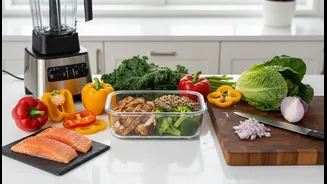
Now, consider the alternative. It’s Sunday, and you’ve planned a few meals for the week. You shopped for exactly what you need for a roast chicken on Monday and a baked salmon on Wednesday. This is where assisted cooking becomes truly revolutionary. You simply follow the prompts for the pre-loaded recipe, and the oven executes it flawlessly because you have the correct ingredients. The technology ensures your chicken is perfectly cooked with a crisp skin, and the salmon is tender and flaky, thanks to precise temperature probes and automated settings. In this scenario, the technology isn't a crutch for a lack of a plan; it's a tool that elevates a good plan into a great, stress-free result. The 'convenience' is knowing your thoughtfully purchased groceries will be transformed into a perfectly cooked meal with minimal active supervision.
Beyond the Recipe: A Mindset Shift
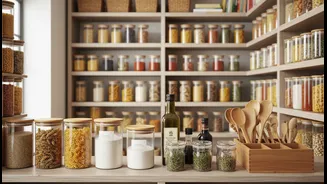
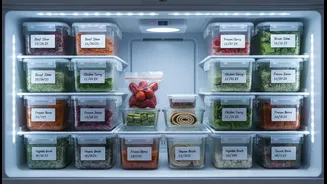
The argument goes deeper than just having ingredients. It’s about a shift in mindset from reactive to proactive. Thoughtful shopping—planning meals, buying what you need, and reducing food waste—is a sustainable and economical practice on its own. Smart kitchen technology, particularly features on smart fridges that track inventory or apps that generate shopping lists from recipes, becomes a powerful ally in this endeavour. When you use technology to support a system of planning, you're not just making dinner; you're building a more organised, less wasteful, and ultimately less stressful home life. Assisted cooking is the final, glorious step in a process that begins at the grocery store, rewarding your foresight with a delicious outcome. The technology becomes an enabler of good habits, not a bandage for bad ones.
Redefining Kitchen Convenience
Perhaps we need to redefine what 'convenience' means in the modern kitchen. It isn't just about speed or spontaneity. True convenience is the reduction of friction and stress over the long term. While the idea of a machine instantly cooking whatever you throw into it is appealing, the reality is that the greatest convenience comes from predictability and reliability. Knowing that your meal plan for the week will be executed perfectly, with less mental energy and fewer opportunities for error, is a more profound form of ease. Assisted cooking doesn't absolve you of the need to think; it rewards you for thinking ahead. It transforms the chore of meal prep into a background process, freeing you up to enjoy the creative and social aspects of food, secure in the knowledge that the technical details are handled.