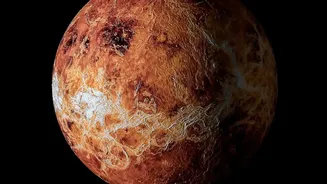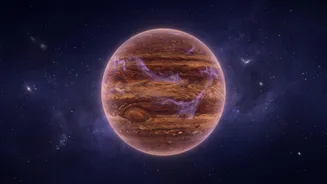


In the vast cosmic theater, some objects are neither stars nor planets. These mysterious loners, known as brown dwarfs, are now giving up their secrets thanks to NASA's powerful SPHEREx telescope, which just found a familiar gas in their midst.
Meet the 'Failed Stars'
Imagine
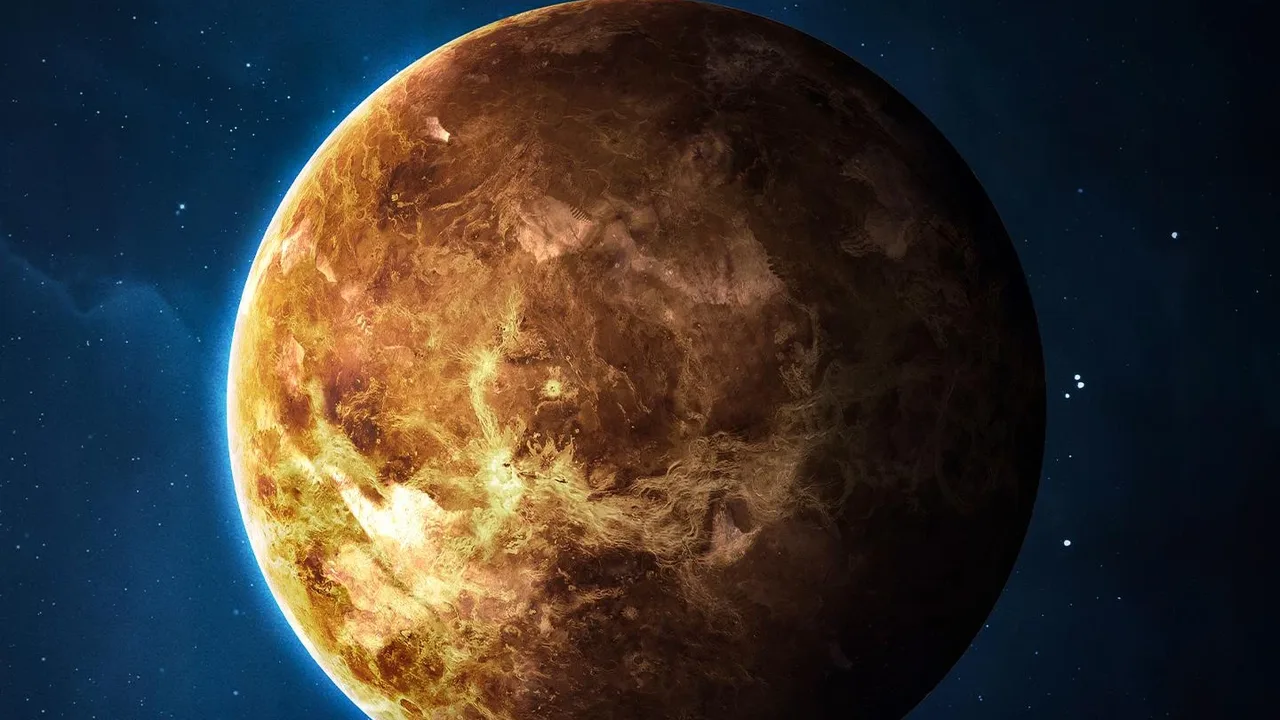
a star that never quite made it. That’s a simple way to think about a brown dwarf. These celestial objects form from collapsing clouds of gas and dust, just like stars do. However, they never accumulate enough mass to kickstart the sustained nuclear fusion of hydrogen in their cores, the process that makes stars shine brightly for billions of years. With masses somewhere between the largest gas giants (like Jupiter) and the smallest stars, they occupy a fascinating gray area. They are often called 'failed stars' because they lack the engine of a true star, instead glowing faintly from the residual heat of their formation and the limited fusion of a heavier hydrogen isotope called deuterium early in their lives. This makes them dim, difficult to spot, and incredibly intriguing to astronomers trying to piece together the puzzle of cosmic formation.
NASA's New Cosmic Detective: SPHEREx
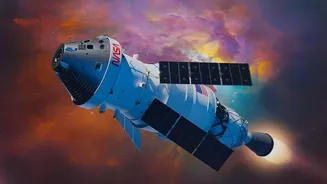
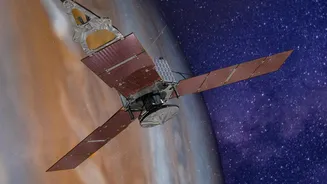
Enter SPHEREx, NASA's Spectro-Photometer for the History of the Universe, Epoch of Reionization, and Ices Explorer. Launched in March 2025, this space telescope is on a mission to map the entire sky in stunning detail. Unlike a regular camera, SPHEREx observes the universe in near-infrared light, which is invisible to the human eye. It creates a map of the cosmos in 102 different color bands, providing a spectrum for every point in the sky. This technique, called spectroscopy, allows scientists to identify the chemical fingerprints of different molecules in space. While SPHEREx's primary mission includes studying the origins of the universe and galaxies, its unique capabilities have made it an exceptional tool for a side project: becoming an accidental meteorologist for brown dwarfs.
A Breakthrough Discovery
In a recent study published in The Astrophysical Journal, scientists used SPHEREx to analyze 37 nearby brown dwarfs. The results provided a chemical bonanza. The telescope's sensitive spectra revealed atmospheres rich with familiar molecules: water, methane, carbon monoxide, and, significantly, carbon dioxide. The detection of carbon dioxide in the atmospheres of these isolated, wandering worlds is a major step forward. By analyzing the light filtering through the atmospheres of these objects across a wide range of temperatures—from a fiery 2,200 degrees Celsius down to a frigid minus 20 degrees Celsius—researchers could see how the chemical makeup changes as the brown dwarfs age and cool.
Why This Gas Matters
Finding carbon dioxide might not sound surprising, but its presence and variability provide crucial data points for understanding planetary and stellar chemistry. The mix of gases in a brown dwarf's atmosphere is a direct link to the materials present in the gas cloud from which it formed. This gives scientists a clearer picture of the initial ingredients available for building planets, as brown dwarfs offer a look at atmospheric chemistry without the complicating influence of a host star. The SPHEREx data showed that as brown dwarfs cool, their chemistry changes, with carbon monoxide and carbon dioxide signatures weakening while methane becomes more prominent. However, the data also revealed that no two brown dwarfs are exactly alike; even at the same temperature, their spectra can be distinctly different. This complexity challenges current atmospheric models and suggests that factors like age, gravity, and cloud formation play a significant role.
The Next Cosmic Chapter
This study of just 37 brown dwarfs is only the beginning. SPHEREx is surveying the entire sky, and scientists are in the process of analyzing thousands more of these dim objects that have been hiding in the dark. Each new observation provides a test for astronomical models, helping to refine our understanding of how atmospheres behave in a wide range of environments. By studying the atmospheres of these 'goth' celestial bodies, as one scientist described them, we gain invaluable insights into the formation of giant planets like Jupiter and Saturn in our own solar system. This research doesn't just tell us about failed stars; it provides a crucial bridge in our knowledge between the largest planets and the smallest stars, filling in a vital chapter in the story of how worlds are made.