
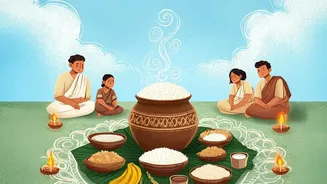
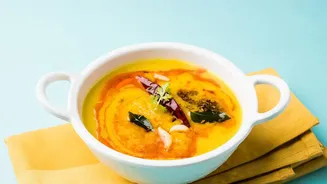
In sleek, modern Indian kitchens filled with air fryers and induction stoves, a quiet revolution is taking place. Look closely, and you might see a heavy cast-iron kadai or an earthy clay pot, symbols of a powerful return to culinary roots.
A Conscious Return to Heritage
For years,
convenience reigned supreme as stainless steel, aluminium, and non-stick pans became kitchen staples. They were lightweight, easy to clean, and perfectly suited for a fast-paced lifestyle. However, a growing number of home cooks are now intentionally reaching back in time, bringing traditional vessels out of storage and into daily use. This shift isn't just about nostalgia; it's a conscious choice fuelled by a desire for better health, more authentic flavours, and a deeper connection to cultural traditions. Consumers are increasingly wary of synthetic coatings on modern pans and are turning to the time-tested wisdom of their ancestors.
The Cast-Iron and Earthenware Revival
Leading the resurgence are materials like cast iron and clay. The cast-iron kadhai or tawa is celebrated for its incredible heat retention, which ensures even cooking and a perfect sear. When properly seasoned, it develops a natural non-stick surface without any chemical coatings. Cooking in cast iron also has a tangible health benefit: it can fortify food with small, beneficial amounts of dietary iron. Similarly, earthenware, or 'mitti ke bartan', is prized for its ability to slow-cook foods while preserving nutrients. The porous nature of clay allows for steam circulation, which keeps food moist and tender, often requiring less oil. Clay is also alkaline, which helps to neutralize the pH of acidic ingredients like tomatoes, lending a subtle sweetness to dishes.
The Wisdom of Healing Metals
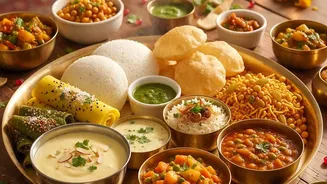
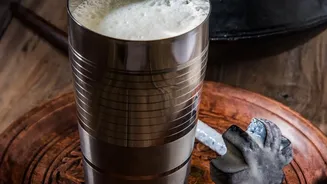
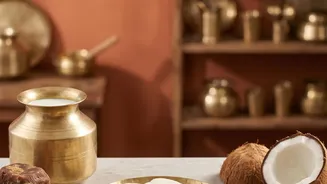
Beyond iron and clay, other traditional materials are also finding their place. Kansa, or bell metal, an alloy of copper and tin, is treasured in Ayurveda. Traditionally used for serving plates and bowls, Kansa is believed to have properties that enhance digestion and balance the body's doshas. Its antimicrobial properties are another key benefit. Soapstone vessels, known as 'kalchatti' in South India, are another rediscovered gem. Valued for their exceptional heat retention, they continue to cook food for several minutes after being taken off the flame, saving energy and allowing flavours to deepen. Like clay, soapstone is non-reactive and helps retain close to 100% of the food's nutrients.
Why Now? A Mix of Health, Taste, and Identity
Several factors are driving this trend. Health consciousness is paramount; many are seeking to avoid the synthetic chemicals found in some nonstick coatings. There is also a growing appreciation for authentic taste. Many swear that a dal cooked in a clay handi or a fish curry from a soapstone pot has a depth of flavour that modern cookware simply cannot replicate. Finally, this movement is about identity. Using the same kind of vessels our grandparents did is a way to connect with family heritage and preserve culinary traditions in a tangible way. This revival is not necessarily about replacing modern cookware entirely, but about creating a hybrid kitchen where both the old and new have a valued place.