







The Posture Problem at Home
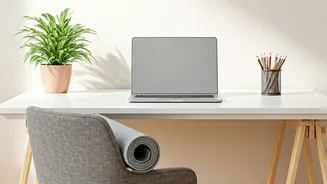
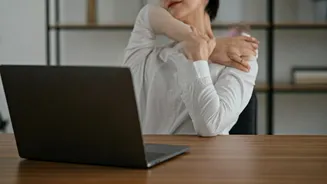
Your home office might be comfortable, but it's rarely designed with perfect ergonomics in mind. Many remote workers find themselves slumping on the sofa or hunching over a kitchen table, leading to a condition often called 'tech neck'. This forward head
posture puts significant strain on the muscles and joints in your neck and upper back. Over time, this sustained poor posture can cause muscles in the front of your body to tighten while the muscles in your back become weak and overstretched. The result is a familiar combination of stiffness, burning knots between the shoulder blades, and persistent lower back ache, which can impact not just your physical comfort but also your focus and productivity throughout the day.
Introducing the Two-Minute Reset
The good news is that you don't need a complete gym routine to counteract these effects. Experts suggest that taking short, regular breaks to stretch can dramatically reduce discomfort. The key is consistency. A quick, two-minute routine performed every hour or so can be more effective than one long stretch at the end of the day. This simple sequence is designed to be done right in your chair, targeting the three areas most affected by desk work: the neck, shoulders, and spine. It requires no special equipment and is easy to remember, making it the perfect tool to break up long periods of sitting.
Step 1: The Gentle Neck Tilt (40 seconds)
This stretch targets the tight trapezius muscles that run from your neck to your shoulders. Sit tall in your chair with your feet flat on the floor. Gently tilt your right ear toward your right shoulder, stopping when you feel a comfortable stretch along the left side of your neck. Don't force the movement or lift your shoulder to meet your ear. For a deeper stretch, you can place your right hand on your head and apply very light pressure. Hold for about 15-20 seconds while breathing deeply, then slowly return to the center and repeat on the left side. This simple move helps release the tension that often contributes to headaches and stiffness.
Step 2: Liberating Shoulder Rolls (40 seconds)
Hunching forward causes our shoulders to round and tighten. Shoulder rolls are a fantastic way to reverse this pattern and release stress. While sitting upright, inhale and lift your shoulders up toward your ears, as if shrugging. Hold them there for a second or two. As you exhale, roll your shoulders back and down, squeezing your shoulder blades together. Imagine you are trying to open up your chest. Repeat this movement slowly for 20 seconds, then reverse the direction, rolling your shoulders forward for another 20 seconds. This exercise loosens the shoulder joints and relieves the stiffness that accumulates in the upper back.
Step 3: The Seated Cat-Cow (40 seconds)
Your spine isn't meant to stay in one position all day. The seated cat-cow brings gentle movement to your entire back, from your lumbar spine to your neck. Sit on the edge of your chair with your hands resting on your knees. On an inhale, arch your back, push your chest forward, and look up toward the ceiling (the 'Cow' position). On your exhale, round your spine, tuck your chin to your chest, and pull your belly button inward, feeling a stretch in your mid-back (the 'Cat' position). Flow between these two positions, linking your breath to the movement. This exercise improves spinal flexibility and relieves the lower back tension that builds from prolonged sitting.
Why This Simple Routine is So Effective
This two-minute sequence works because it directly counters the physical stresses of a sedentary workday. The movements increase blood flow and oxygen to tense muscles, helping to flush out metabolic waste and reduce stiffness. By gently moving your joints through their range of motion, you improve flexibility and prevent the 'frozen' feeling that can set in after hours of inactivity. Furthermore, taking a moment to focus on your body and breath serves as a mental break, reducing stress and helping you return to your work feeling refreshed and more focused. It’s a small investment of time that pays huge dividends for both physical and mental well-being.