




A world-class ranking has put Patna on the global cultural map. The Bihar Museum's recent recognition as one of the world's best is more than an award; it’s a catalyst poised to transform tourism and reshape perceptions of the entire region.
A Global Stamp of Approval
In late 2026,
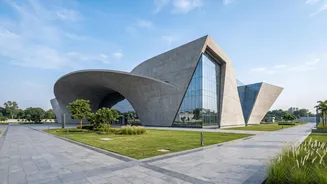
the Bihar Museum achieved a remarkable feat, securing the 9th spot on the 'World's 100 Best Museums' list by the international travel guide 'Worth a Journey'. This recognition is not just a feather in its cap; it's a resounding endorsement that places the Patna institution ahead of global giants like New York's Metropolitan Museum of Art (10th) and the Louvre in Paris (31st). As the only Indian museum to make the prestigious list and the highest-ranked in all of Asia, this has turned an international spotlight onto Bihar’s rich heritage. This accolade is based on a mix of visitor reviews, data analytics, and expert evaluations, signalling a comprehensive and well-deserved win.
More Than Just a Building
The Bihar Museum is an architectural marvel designed by the Pritzker Prize-winning Japanese firm Maki and Associates in collaboration with India's Opolis. Conceived as a campus, the structure is a dynamic interplay of buildings, courtyards, and green spaces, creating a serene oasis in the bustling city. Its extensive use of Corten steel, a material that ages to a stable, rust-like appearance, is a nod to India's historical achievements in metallurgy. Inside, the museum is not a static repository of artefacts but a living, experiential space. It chronicles over two millennia of the region's history, showcasing everything from the priceless 2,000-year-old Didarganj Yakshi to prehistoric tools and rare bronzes.
The Engine of a New Narrative
For decades, Bihar has worked to move past outdated narratives. The museum serves as a powerful symbol of this cultural renaissance. By presenting its glorious past in a world-class, contemporary setting, it fosters a sense of pride and connection for locals. The institution has also become a hub for international dialogue, most notably through the Bihar Museum Biennale. This one-of-a-kind event brings together collections and curators from other museums, particularly from the Global South, to foster cultural exchange and shared histories. This initiative reframes Patna not just as a historical site but as a modern centre for global cultural conversations.
The Ripple Effect on Tourism
This global recognition is a game changer for Patna's tourism prospects. The city has traditionally been a hub for religious pilgrims visiting nearby sites like Bodh Gaya or Patna Sahib. The government’s goal has been to encourage these visitors to extend their stays, and a destination like the Bihar Museum provides a compelling reason to do so. A globally ranked museum acts as an anchor attraction, creating a ripple effect that benefits hotels, restaurants, tour guides, and local artisans. With footfall already surpassing 500,000 annually before this latest award, the museum has proven its appeal as a key cultural attraction driving tourism within the state. This international fame is expected to significantly boost those numbers, drawing a new demographic of cultural tourists from across India and the world.
From Transit Point to Destination
The success of the Bihar Museum is a key part of a broader strategy to transform the state into a premier tourist destination. The Bihar government has been investing heavily in infrastructure, with projects worth thousands of crores underway to upgrade religious sites, improve connectivity, and enhance visitor facilities. The state recorded over 6.62 crore tourist visits in 2025, a number that continues to grow. By adding a worldclass cultural institution to its portfolio of historical and religious sites, Bihar strengthens its claim as a place worth exploring in depth. The museum helps transition Patna from a city people pass through to a destination in its own right, offering a rich, multi day experience for travellers interested in history, art, and culture.