

The Hardy Bottle Gourd (Lauki)
Often overlooked for its simplicity, the humble bottle gourd, or lauki, is a cornerstone of monsoon and Shravan cooking. Its high water content makes it incredibly hydrating and easy to digest, aligning perfectly with the season's dietary wisdom which
favours lighter foods. While some may find it bland, its genius lies in its ability to absorb flavours. Instead of a simple watery curry, try grating it to make flavourful koftas simmered in a tomato-ginger gravy. For a quick meal, sauté cubes of lauki with cumin seeds, turmeric, and a pinch of rock salt (sendha namak) for a simple sabzi that pairs beautifully with rajgira puris or samak rice. Its cooling properties make it an ideal vegetable for balancing the body during the humid monsoon weather.
The Unique Colocasia Leaves (Arbi ke Patte)
Colocasia leaves are a monsoon delicacy, especially popular in western and northern India. These large, heart-shaped leaves are not just flavourful but also packed with nutrients like Vitamin A and iron. They are the star ingredient in dishes like Patra, where the leaves are slathered with a spiced gram flour paste, rolled, steamed, and then pan-fried into crispy, savoury snacks. It is crucial to cook these leaves properly, as they contain calcium oxalate crystals which can cause throat irritation if eaten raw or undercooked. Blanching or steaming them thoroughly neutralises this effect. Beyond patra, finely chopped leaves can be cooked with lentils or made into a dry vegetable preparation, offering a unique texture and earthy taste to your Shravan thali.
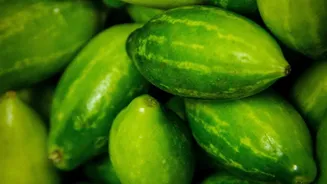
The Crunchy Pointed Gourd (Parwal)
Pointed gourd, known as parwal, is a small, green vegetable that shines during the rainy season. It has a satisfyingly firm and crunchy texture, even after cooking. Rich in fibre and Vitamin C, it’s a great addition for boosting immunity during a season known for coughs and colds. Parwal can be prepared in numerous ways. For a simple and delicious side dish, slice it into rounds and stir-fry with mustard seeds, turmeric, and a sprinkle of coriander powder until tender-crisp. It can also be stuffed with a mixture of paneer or mashed potatoes and spices, then shallow-fried or cooked in a light gravy. Its mild flavour makes it a versatile ingredient that complements the subtle spices often used in Shravan cooking.
The Striking Snake Gourd (Chichinda)
True to its name, the long, slender, and serpentine snake gourd is a visually interesting vegetable that graces markets during the monsoon. While it may seem unusual, it's a popular ingredient in South Indian and Maharashtrian cuisines. It has a soft, delicate flesh and a mild taste. Before cooking, the soft inner pith and seeds are typically scooped out. A simple way to prepare it is to chop it into small pieces and sauté it with lentils, coconut, and minimal spices, allowing its natural, subtly sweet flavour to come through. Another method involves cooking it in a simple tempering of mustard seeds, curry leaves, and red chillies. This gourd is light on the stomach and adds a completely different texture to the vegetable rotation.
The Comforting Sweet Potato (Shakarkandi)
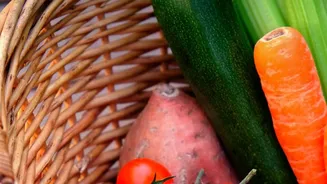
Sweet potatoes, or shakarkandi, are a fasting staple for a reason. They provide sustained energy and are naturally sweet, satisfying cravings without refined sugar. During Shravan, they offer a comforting and nutritious alternative to regular potatoes. One of the easiest ways to enjoy them is to simply boil or roast them and eat them with a sprinkle of rock salt and a squeeze of lemon. They can also be mashed and formed into crisp tikkis, often bound with buckwheat (kuttu) or amaranth (rajgira) flour. For a more substantial meal, cubes of sweet potato can be added to sattvik curries or used to make a simple, hearty sabzi with peanuts and green chillies. Its inherent sweetness and creamy texture bring warmth and substance to fasting meals.