



The City's Spongy Secret
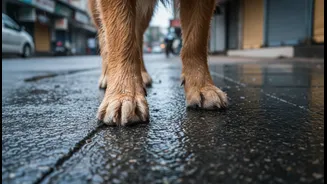
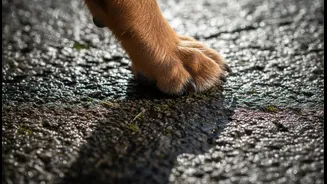
Urban environments are dominated by hardscapes—concrete sidewalks, asphalt roads, and stone plazas. Unlike soil and grass that absorb and filter water, these surfaces are porous and can retain moisture. Puddles from rain or street cleaning can linger,
and even high humidity can cause condensation on these surfaces, keeping them damp. This retained moisture, combined with the warmth from the sun-baked pavement and trapped organic matter like dust and dirt, creates an ideal incubator for fungi and yeast to flourish. While fungi are a natural part of the environment, these man-made conditions can lead to a concentrated presence of spores right where our dogs walk every day.
From Pavement to Paw
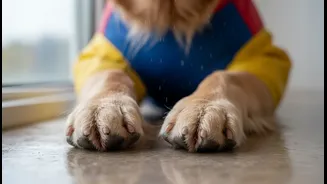
A dog's paw pads are tough, but they aren't invincible. They are also home to a normal amount of yeast and bacteria. Problems arise when this delicate balance is disrupted. Paws can become vulnerable due to tiny cuts, scrapes from rough surfaces, or excessive dryness and cracking. An already-compromised paw that comes into contact with a high concentration of fungal spores on a damp sidewalk is at a higher risk of developing an infection. Furthermore, dogs with underlying conditions like allergies or a weakened immune system are especially susceptible, as their body is less equipped to fight off the fungal overgrowth.
Signs of a Fungal Paw Infection
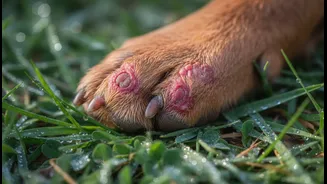
A paw infection can be extremely uncomfortable for your dog. The most common behavioral sign is persistent licking and chewing of the paws. This is often the first thing owners notice. Physically, you might see redness and inflammation, especially between the toes and on the pads. Other tell-tale signs include a musty or distinct "corn chip" smell, flaky or scaly skin, hair loss around the affected area, and sometimes a brownish discoloration of the fur from saliva staining. In more advanced cases, the paw may be swollen, painful to the touch, or even cause your dog to limp.
Proactive Paw Protection Strategies
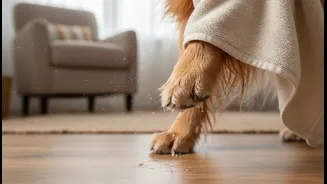
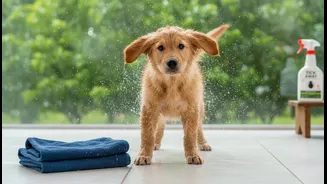
Prevention is the best defense against paw infections. One of the simplest and most effective habits is to wipe your dog's paws with a clean, damp cloth after every walk. This removes potential irritants, allergens, and fungal spores. Pay special attention to drying thoroughly between the toes, as this is where moisture loves to hide. On rainy days or when walking through puddles is unavoidable, this step is even more critical. Keeping the fur between the paw pads trimmed can also improve air circulation and reduce the trapping of moisture and debris.
Boosting Your Dog's Paw Defenses
For extra protection, consider using a paw balm or wax. These products create a breathable barrier on the paw pads, shielding them from direct contact with harsh surfaces and irritants. For dogs with particularly sensitive paws, or during extreme weather, dog booties are an excellent option. They provide a physical shield not only from fungi but also from hot pavement in summer and ice-melt chemicals in winter. Regularly inspecting your dog’s paws for cuts, cracks, or any signs of irritation allows you to address small issues before they become major problems.
When It's Time to See the Vet
While preventative care is crucial, some infections require professional medical help. If you notice persistent symptoms, or if your dog seems to be in pain, it's essential to consult a veterinarian. Self-diagnosing can be risky, as the symptoms of a fungal infection can mimic other issues like bacterial infections, allergies, or even a lodged foreign body like a splinter. A vet can perform tests, such as a skin scraping, to accurately diagnose the problem and prescribe the appropriate treatment, which may include medicated wipes, topical ointments, or oral antifungal medication.