



Understanding Ghee and Saturated Fat
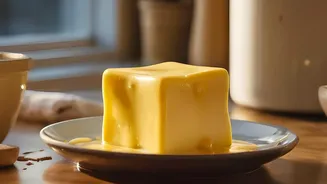
Ghee is a form of clarified butter, meaning the milk solids and water have been removed, leaving almost pure butterfat. This process concentrates its flavour and also its fat content. Ghee is composed of about 60-65% saturated fat. For years, dietary
science has shown a strong link between high intake of saturated fats and an increase in low-density lipoprotein (LDL) cholesterol. Often called "bad" cholesterol, high LDL levels can lead to the formation of plaque in the arteries, narrowing them and increasing the risk for cardiovascular disease. While ghee also contains some beneficial fat-soluble vitamins like A, D, and E, its high saturated fat content is a primary concern for heart health from a purely cardiac point of view.
The Case for Unsaturated Oils
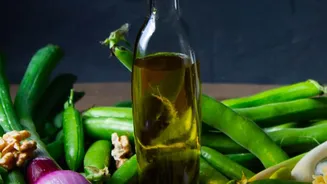
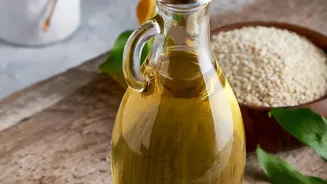
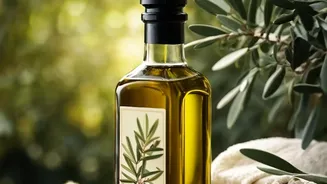
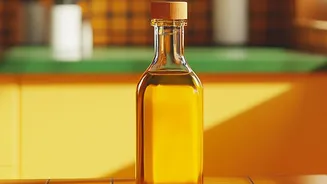
The heart-healthy alternatives are unsaturated fats, which are split into two groups: monounsaturated and polyunsaturated fats (MUFAs and PUFAs). These are the predominant fats found in plant-based cooking oils like mustard, groundnut, sunflower, sesame, and olive oil. Unlike saturated fats, unsaturated fats have a beneficial effect on blood cholesterol. They help to lower LDL ("bad") cholesterol levels while potentially maintaining or even raising high-density lipoprotein (HDL) or "good" cholesterol. Good cholesterol acts like a scavenger, removing excess cholesterol from the arteries. The Indian Council of Medical Research has long emphasized the need for a good balance of fatty acids in the diet.
How the Swap Protects Your Heart
When you replace a saturated fat like ghee with an unsaturated fat like sunflower or groundnut oil in your daily cooking, you initiate a positive chain reaction. A 2021 randomised trial directly comparing diets rich in ghee versus olive oil found that the ghee-rich diet increased markers for cardiovascular risk, including apo-B and non-HDL cholesterol. According to the American Heart Association, swapping saturated fats for polyunsaturated fats can reduce the risk of heart disease by about 30%, an effect comparable to taking cholesterol-lowering statin medications. This substitution reduces the building blocks for artery-clogging plaque, can help keep blood vessels flexible, and supports better overall cardiovascular function.
Making Smart Changes in the Kitchen
This doesn't mean you must banish ghee from your life entirely. A balanced approach is more sustainable. The key is moderation. Consider using ghee sparingly for its flavour—a teaspoon on a hot chapati or as part of a tadka—rather than as your primary cooking medium. For daily cooking, frying, and sautéing, turn to unsaturated vegetable oils. Cardiologists and dietary guidelines suggest rotating your oils, perhaps using mustard oil one month and sunflower or groundnut oil the next, to ensure you get a variety of beneficial fatty acids. This strategy allows you to enjoy the cultural and taste benefits of ghee while making a significant, positive change for your heart's health. The National Institute of Nutrition's dietary guidelines for India specifically recommend moderate use of edible oils and minimum use of ghee and butter.
A Holistic View of Heart Health
While the choice of cooking fat is a powerful one, it is most effective as part of a larger healthy lifestyle. The overall dietary pattern matters more than any single ingredient. A heart-healthy diet is rich in fruits, vegetables, whole grains, and lean proteins like lentils and beans. Regular physical activity is also crucial for maintaining an ideal body weight and supporting cardiovascular health. Reducing your intake of processed foods high in sugar, salt, and unhealthy trans fats is another important piece of the puzzle. Think of switching your primary cooking oil as a foundational step—one of the simplest and most impactful changes you can make in your daily routine to build a healthier future for your heart.