



The Invisible Contaminant
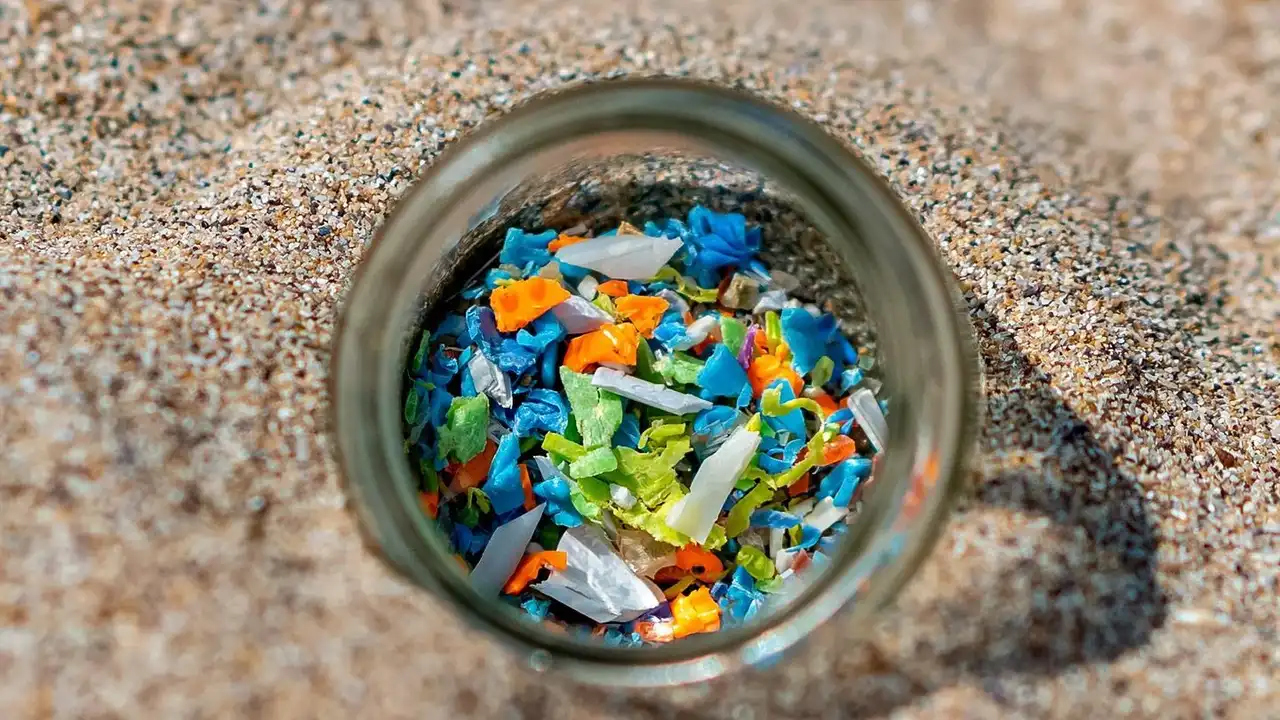
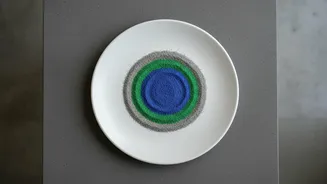
First, let's be clear: microplastics are everywhere. These tiny plastic particles, smaller than five millimetres, are created when larger plastic items like bottles, bags, and containers break down over time. They enter our food system in numerous ways.
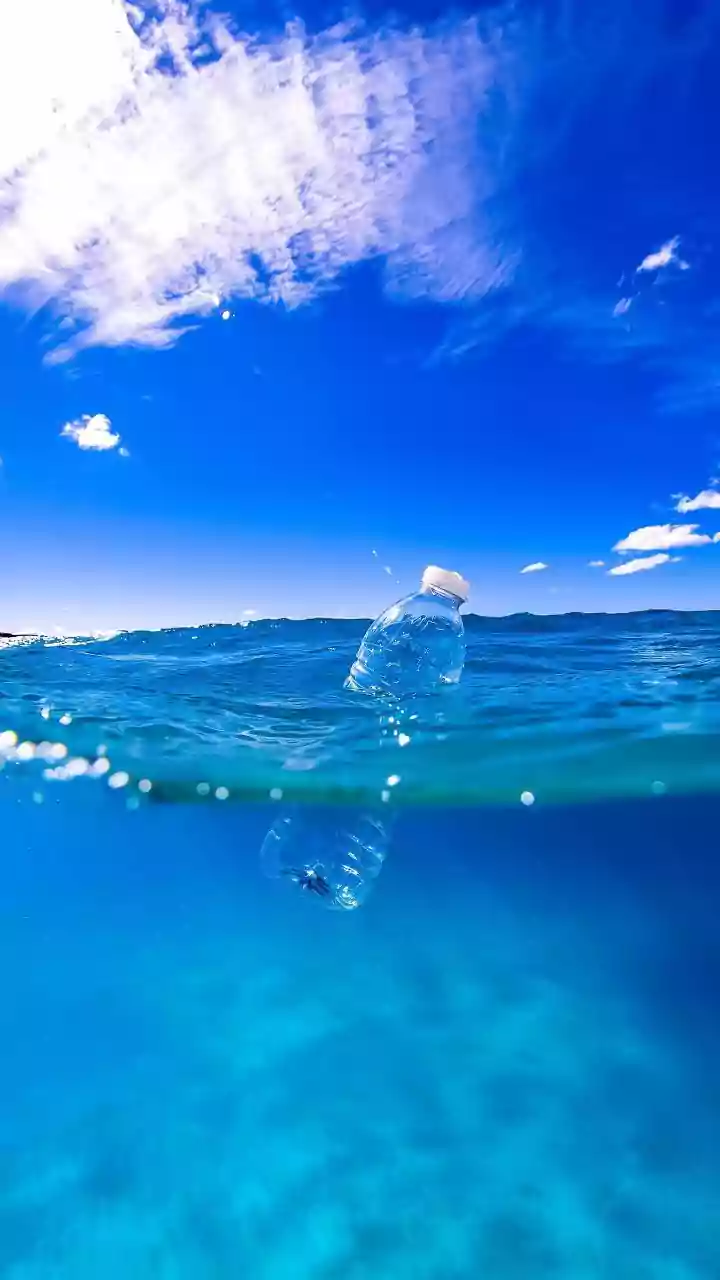
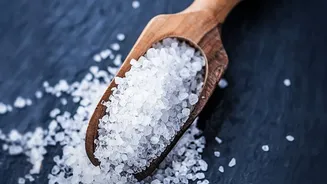
They are found in oceans and are consumed by seafood. They are in the soil where our fruits and vegetables grow, and they can leach from the plastic packaging that wraps our food. Studies have found them in everything from salt and sugar to honey and beer. For years, the conversation has been dominated by the alarming fact of their presence and the potential harm they might cause.
A History of Health Concerns
Early research, often conducted on animals or human cells in a lab, painted a concerning picture. These studies suggested links between high levels of microplastic exposure and a range of health issues, including inflammation, gut microbiome disruption, and cellular damage. One study even found that people with microplastics in their artery plaques had a higher risk of heart attack or stroke. This first wave of research was vital for raising awareness about plastic pollution, but it also created a sense of anxiety. The problem seemed vast and unavoidable, leaving many people wondering what, if anything, could be done.
The Scientific Shift to Exposure
This is where the narrative begins to change. The scientific community is now moving into a new, more methodical phase. The central theme of the latest research is no longer just about sounding the alarm but about building a foundation of solid data. The new goal is to accurately quantify our exposure: how many particles are we ingesting, what types are they, and where are they accumulating in the body? As the US Food and Drug Administration (FDA) notes, there's currently a lack of standardized methods for detecting and measuring these particles, which makes it difficult to assess health risks properly. Simply put, before scientists can tell us how dangerous microplastics are, they need to get a precise count.
Why Measurement Matters Most
In toxicology, there's a fundamental principle: the dose makes the poison. A substance that is harmless or even beneficial in small amounts can be toxic in large ones. Water is essential for life, but drinking too much too quickly can be fatal. The same logic applies to microplastics. Without knowing the actual dose—the amount and type of plastics we are exposed to daily—it's nearly impossible to determine the true risk to human health. This is why researchers are developing sophisticated new techniques like advanced spectroscopy and non-invasive imaging to get a reliable count of particles in food, water, and even living tissue. This work moves the conversation from a general 'hazard' to a specific 'risk assessment'.
What Can You Do Today?
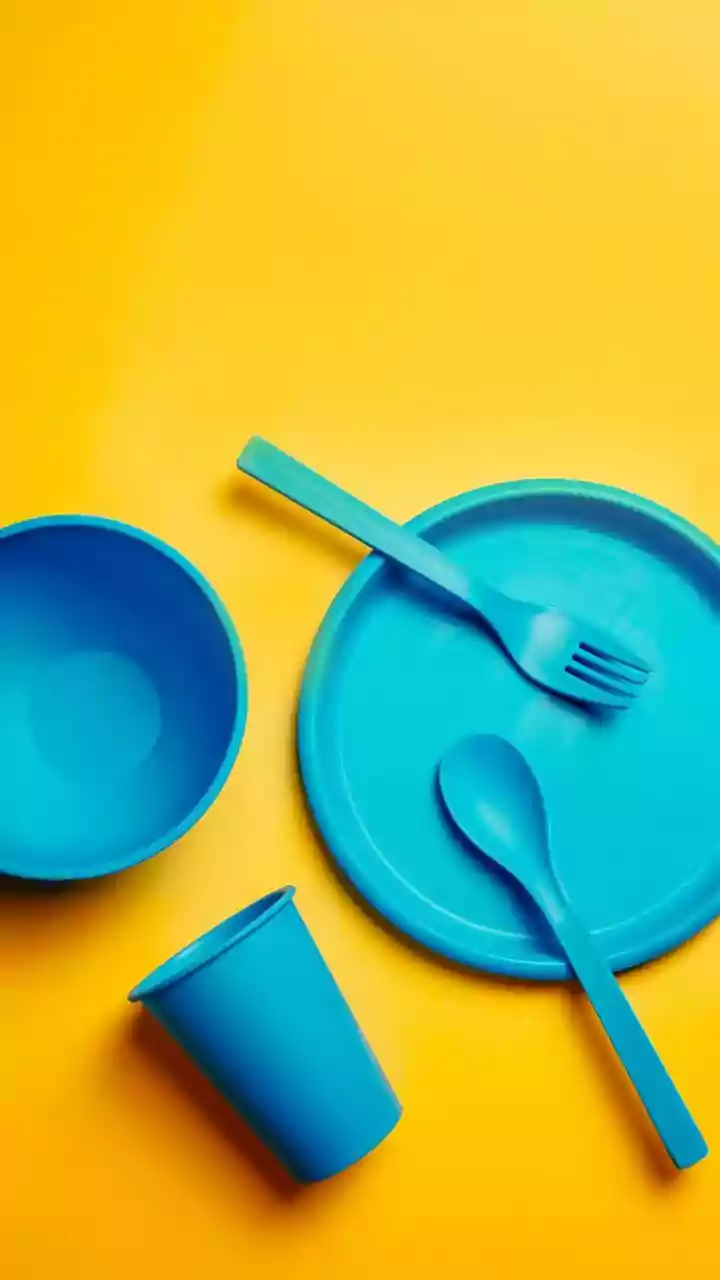
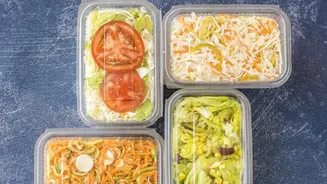
While scientists work on building this crucial body of knowledge, the question remains: what should we do? While it is impossible to eliminate exposure completely, experts suggest there are practical, common-sense steps to reduce your intake. One of the most effective is to minimize your use of plastic in the kitchen. Avoid heating or microwaving food in plastic containers, as this can increase the leaching of particles. Opt for fresh, unpackaged foods like fruits and vegetables from local markets whenever possible over heavily processed and packaged items. Using filtered tap water instead of bottled water can also help, as can choosing cookware made from materials like stainless steel or cast iron over plastic utensils and cutting boards.