





A Nationwide Shift to Wellness
The Indian consumer's relationship with food is undergoing a significant transformation. Driven by rising health consciousness, greater awareness of lifestyle-related diseases, and increasing disposable incomes, there's a clear pivot towards healthier
eating. This isn't just a trend confined to major metropolitan areas; it's a nationwide movement. According to recent reports, a majority of Indian consumers are now proactively taking steps to improve their health through diet and exercise. A 2026 report highlighted that 69% of consumers are actively trying to include more protein in their diet, moving it from a niche fitness supplement to a mainstream daily nutrient. This surge in demand has created a booming market for 'better-for-you' alternatives and functional foods that offer benefits beyond basic nutrition.
The Challenge for Snack Brands
The protein snack market in India, including everything from bars to biscuits, is growing rapidly. However, this growth has also led to intense competition. For years, the market was dominated by products using mainstream Western ingredients like whey protein and granola. While popular, they often lacked a deeper connection with the average Indian palate and pantry. As consumers become more discerning, they are increasingly looking for transparency and clean labels. Many face a trust deficit, questioning the effectiveness and ingredient lists of mass-marketed products. This created a crucial opening for brands to differentiate themselves. The challenge was no longer just about packing in protein, but about creating a product that felt authentic, trustworthy, and familiar.
The Homegrown Advantage: Sattu, Makhana, and Millets
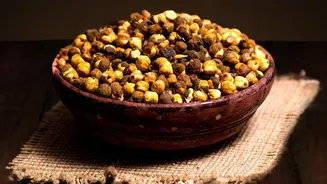
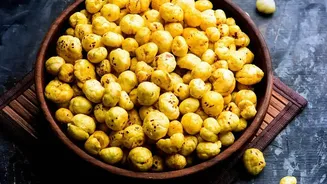
The answer, it turns out, was hiding in plain sight. Brands are now championing traditional Indian superfoods, reformulating them for the modern snack-time. Ingredients like sattu (roasted gram flour), makhana (fox nuts), and a variety of millets are becoming the stars of this new snack category. Sattu, a long-revered staple in states like Bihar and Jharkhand, is a powerhouse of plant-based protein and fibre, known for its cooling properties and energy-boosting capabilities. Makhana, once a humble fasting food, is now celebrated as a low-calorie, high-protein, and gluten-free snack. Millets, following the government's promotional push, are being recognized for their low glycemic index, high fibre content, and resilience as a crop. These ingredients aren't just nutritious; they carry a sense of heritage and trust that imported ingredients cannot replicate.
A Winning Business and Consumer Strategy
Leveraging local ingredients is more than just a marketing gimmick; it's a savvy business strategy. It allows brands to tell a powerful 'back-to-roots' story that resonates deeply with consumers seeking authenticity. This approach also has supply chain advantages, promoting local agriculture and often leading to more stable sourcing. For consumers, the benefits are clear. They get snacks that are not only high in protein but also align with familiar tastes and dietary habits. A recent 2026 survey found that 86% of Indians prioritize protein when choosing snacks, and a significant number are willing to pay more for them. Brands that successfully combine the nutritional promise of protein with the comfort and familiarity of local ingredients are perfectly positioned to meet this demand. They are turning traditional foods into convenient, on-the-go formats like protein bars, roasted snacks, and ready-to-mix drinks.