





The Psychology of the Shelf
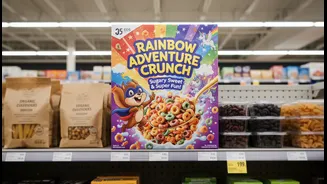
Supermarket aisles are a battleground for your attention, and packaging is the primary weapon. Brands invest heavily in design because they know that most purchase decisions are made in-store, often in a matter of seconds. The colours, fonts, and images
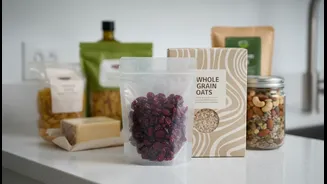
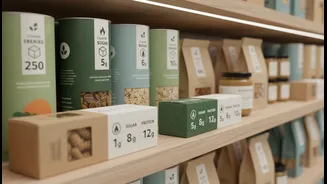
on a package are all carefully chosen to trigger specific emotions and perceptions. Green often signals that a product is healthy, natural, or organic, while earthy tones can also suggest sustainability. Red is used to grab attention and can even stimulate the appetite, making it popular for snacks. Elegant typography and minimalist designs create a perception of premium quality, justifying a higher price tag even if the product inside is comparable to a cheaper alternative. This visual language is so powerful that it can shape your opinion of a product's taste and quality before you ever open the box.
Decoding Misleading Buzzwords
The front of the package is prime marketing real estate, often filled with appealing but vague claims. Words like “natural,” “healthy,” or “organic” can be persuasive, but they don't always mean what you think. Recently, India's food regulator, FSSAI, has cracked down on brands for using such misleading terms without proper certification or justification. For instance, a product may be labelled “100% Organic” without having the necessary Jaivik Bharat logo, or called “Fresh” when it doesn't meet the specific regulatory conditions. Similarly, “low-fat” products can sometimes be high in sugar to compensate for taste, and “sugar-free” might simply mean it contains sugar alcohols instead. These buzzwords are designed to make a product seem healthier than it is, but the real story is always on the back.
Your Best Defence: The Nutrition Label
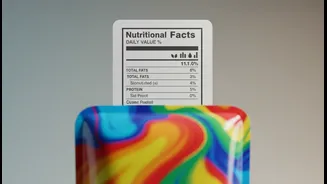
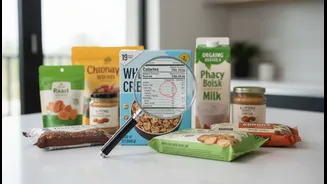
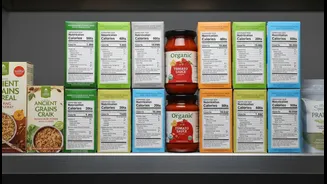
The single most powerful tool you have as a consumer is the nutrition information panel. While the front of the box sells a story, the back tells the facts. The first thing to check is the serving size, as all the numbers on the label refer to that specific amount, not necessarily the entire package. Next, look at the ingredients list, which is always arranged in descending order by weight. If sugar, salt, or saturated fat are among the first few ingredients, you know the product contains a high proportion of them. Pay close attention to nutrients you want to limit, such as added sugars, sodium, and saturated fats. A quick guide is the % Daily Value (%DV): 5% or less is considered low for a nutrient, while 20% or more is high. This makes it easier to compare similar products and make an informed choice.
Smarter Shopping Strategies
Becoming a savvy shopper involves developing a few simple habits to counteract the psychological tricks of the supermarket. The most effective strategy is to make a detailed shopping list and stick to it; this dramatically reduces impulse buys. It also helps to never shop when you're hungry, as this makes you more susceptible to temptation. When comparing products, ignore the overall price and look at the unit price (the cost per 100g or per unit) to find the true value. Be aware of store layout tactics, like placing essential items like milk and eggs at the back, forcing you to walk past countless other products. Also, don't assume products on aisle endcaps are the best deals—they are placed there for visibility and are often high-margin items. By being mindful of these strategies, you can take control of your spending and choices.