






The Unspoken Privilege in Wellness
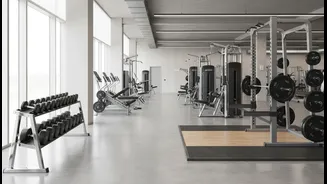
Most fitness advice operates on a set of unspoken assumptions. It assumes you have the disposable income for a gym membership, the time for 90-minute workouts, the access to boutique ingredients for a clean diet, and the mental energy to coordinate it all.
This “just do it” mentality completely overlooks the reality for millions of people. Studies have consistently shown that socioeconomic status is a major predictor of physical activity levels. Barriers like financial constraints, fatigue from demanding jobs, and a simple lack of safe, accessible public spaces for exercise are very real. When guidance is dispensed from a bubble of privilege, it sets the majority up for failure. It creates a cycle where people feel guilty for not achieving goals that were never realistic for their circumstances in the first place.
Defining Your Personal Resources
A truly effective fitness plan doesn’t start with a goal weight; it starts with an honest inventory of your resources. This isn't just about money. Consider these key areas: Financial resources determine if you can afford a gym, a personal trainer, or specialized equipment. Temporal resources relate to the actual free time you have each day after work, family, and other obligations are met. Physical resources include your access to safe parks, walking paths, or even just enough space in your home for bodyweight exercises. Social resources involve having a support system, like a friend to work out with or a family that supports your healthy eating choices. Finally, mental and emotional resources are your capacity to handle a new routine, your stress levels, and your motivation on any given day. Being honest about what you have to work with is the first step toward building something that lasts.
Building a Plan That Fits Your Life
Once you understand your resources, you can build a sustainable plan. If you are short on time but have some disposable income, maybe a few sessions with a trainer to create an efficient home workout is the best investment. If you are on a tight budget but have more time, bodyweight exercises, running in a local park, and cooking simple, whole foods at home might be your path. For many in India, this could mean embracing practices like yoga which requires minimal equipment, or utilizing local community spaces. The goal is to match the strategy to the reality. This is the essence of personalized, adaptive fitness—a concept used to help people with disabilities achieve their goals by tailoring programs to their unique circumstances, a principle that benefits everyone.
Rethinking What Success Looks Like
The fitness industry often defines success with numbers: kilograms lost, kilometres run, or the size of your jeans. But a resource-aware approach suggests a more holistic definition of success: consistency. Did you manage to go for a walk three times this week, even with a chaotic work schedule? That’s a win. Did you choose a home-cooked meal over takeout? That’s a victory. True success is about building habits that you can maintain over the long term, not about achieving a perfect but unsustainable ideal. It's about feeling better, having more energy, and building confidence, not just chasing a number on a scale. This shift in mindset transforms fitness from a source of stress into a form of self-care that truly serves you.